
The Nevada Teamsters, representing 30,000 workers, find themselves at the center of this tension. While construction members thrive on the high-demand projects at the Tahoe Reno Industrial Center, those in the service sector watch as autonomous vehicles, robot bartenders, and digital check-in kiosks displace human roles. RCG Economics estimates that 92,000 hospitality jobs in Southern Nevada could be at risk by 2035, a staggering one-third of the local industry’s workforce.
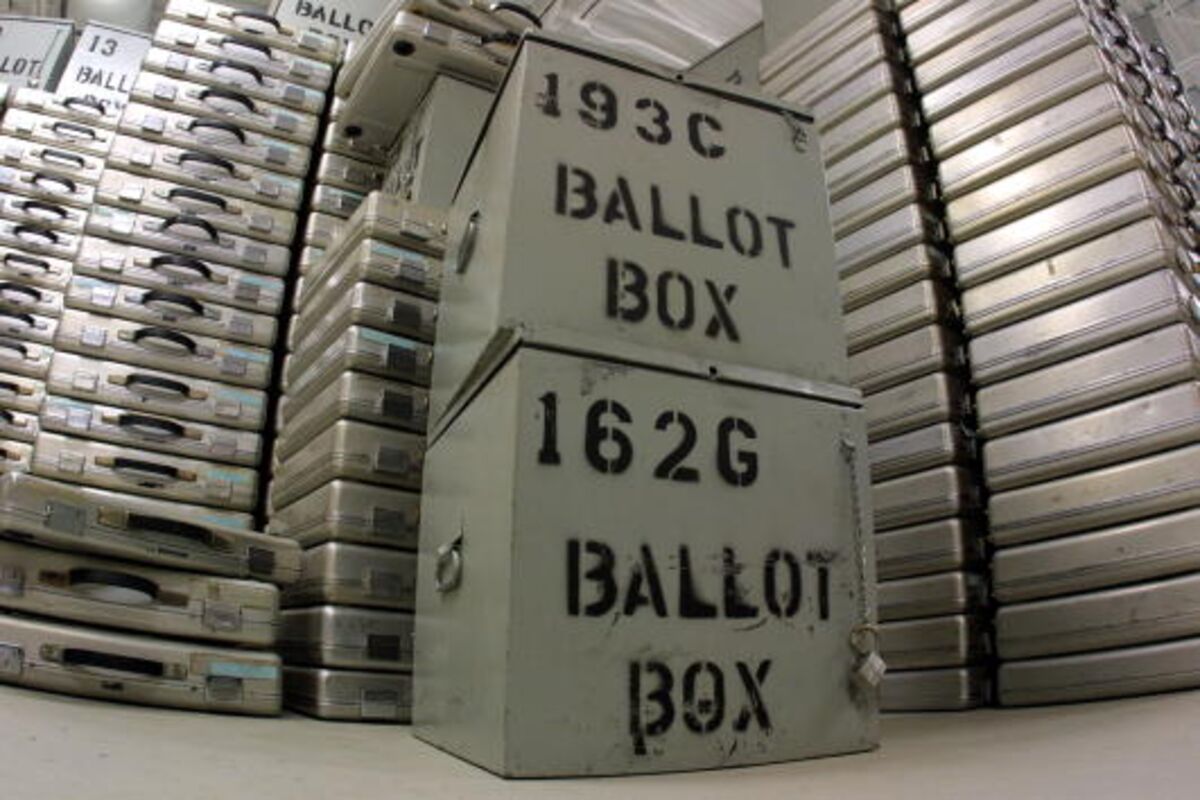
Political leaders are struggling to reconcile these disparate realities. Attorney General Aaron Ford has campaigned on curbing tax abatements for data centers to prioritize worker protections, while Governor Joe Lombardo frames the industry as a vital economic gold rush. This friction mirrors a national debate: whether to prioritize the rapid industrial expansion necessary for AI infrastructure or to shield the existing workforce from the displacement caused by the very technology those centers support. With union members comprising 13% of the state’s workforce, the ballot box will serve as a referendum on whether the benefits of the AI economy can be shared without leaving legacy sectors behind.


Comments (0)
No comments yet. Be the first!