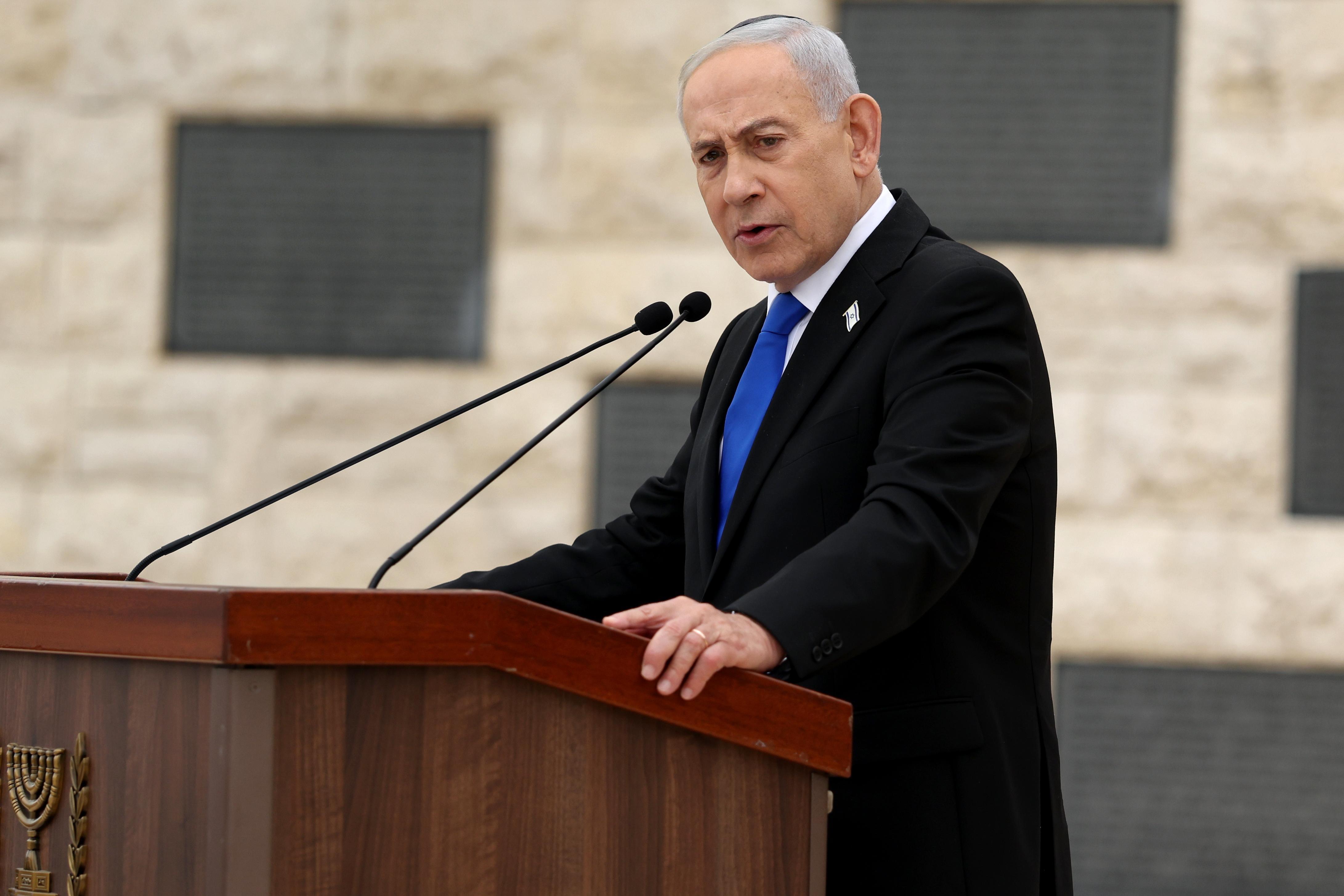
The projected results signal a significant political setback for Netanyahu, whose influence has waned following the security failures of October 7 and the subsequent conflicts in Gaza, Lebanon, and Iran. While exit polls from Kan 11 and Channel 13 suggest a tie at 51 seats each, the outcome leaves the 77-year-old leader in a precarious position as a potential caretaker. Netanyahu has countered the results by emphasizing his commitment to a right-wing government and renewed cooperation with the United States regarding the Iranian threat.
Opposing him, former military chief Gadi Eisenkot has framed the election as a public rejection of Netanyahu’s leadership. Despite his hawkish stance on security and his insistence on dismantling Hamas, Eisenkot faces a complex path to power. His refusal to collaborate with Arab parties limits his leverage, effectively leaving the balance of power in the hands of smaller, fragmented factions. As the nation awaits final counts, the high voter turnout of 77.7% underscores a deeply polarized electorate caught between the desire for new leadership and the entrenched political machinery of the incumbent. If coalition negotiations fail to produce a viable government, Israel risks the prospect of yet another snap election.



Comments (0)
No comments yet. Be the first!