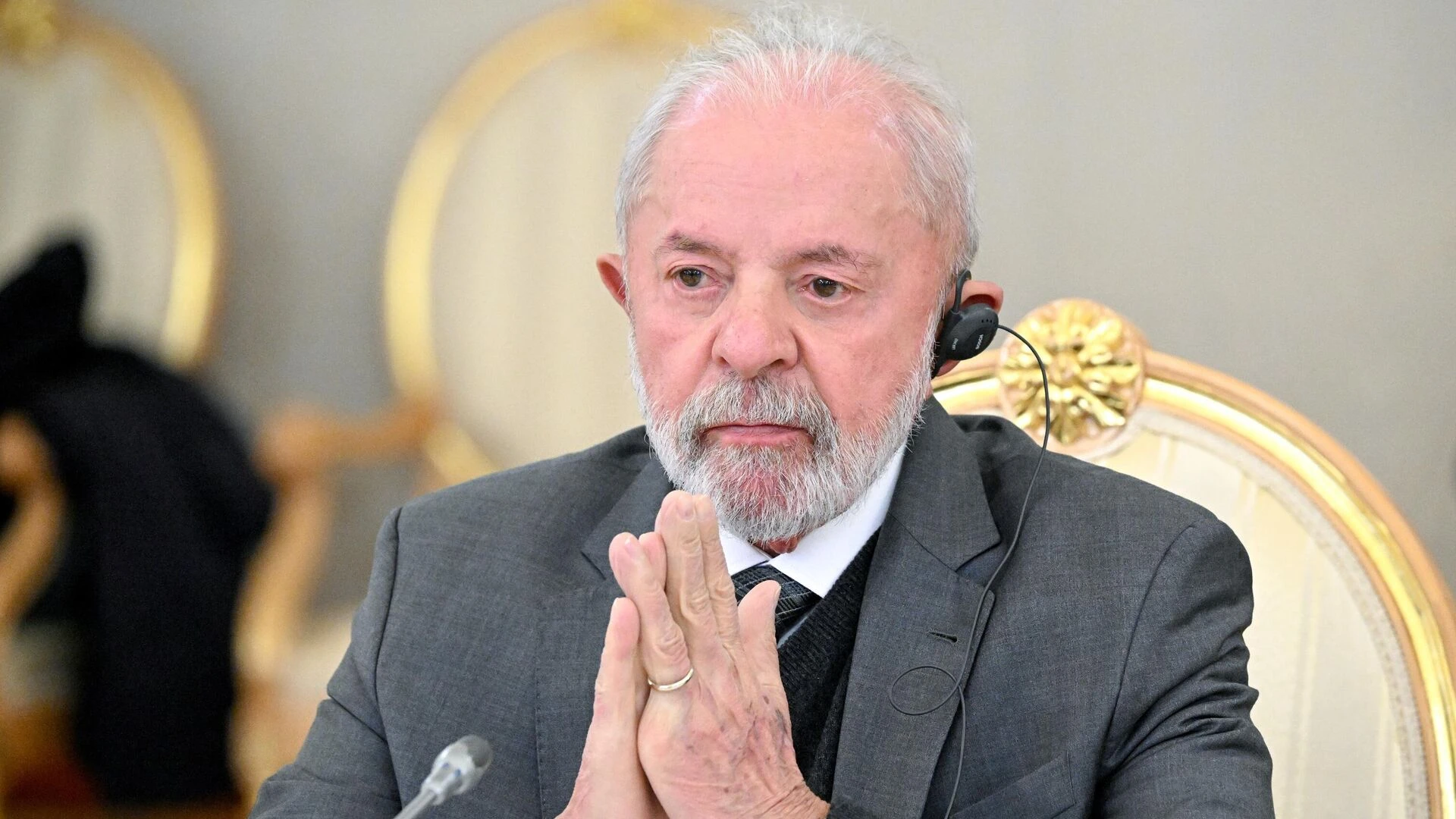
The market reaction marks the steepest daily decline for Brazilian assets since the onset of the COVID-19 pandemic, effectively erasing the rally that preceded the vote. With the yield on 10-year government bonds climbing 2.46 percentage points to a decade-long high, the Brazilian Treasury has already canceled two planned debt auctions. Investors are reacting to the collision between Lula’s campaign promises—which include minimum-wage hikes and expanded social programs—and the harsh reality of high inflation and slowing economic growth.
Analysts suggest that Lula’s survival depends on a delicate sequencing of policy. Rafael Ch of Signum Global Advisors notes that the president must first reassure markets with fiscal discipline, such as appointing a market-conscious finance minister, before attempting to unlock his broader legacy agenda. Elizabeth Johnson of TS Lombard expects near-term moves like a new "sin tax" on alcohol and cigarettes to calm nerves, though she warns that the administration's success hinges entirely on the president's willingness to curb public spending. With a right-wing Congress and potential hostility from the White House, Lula faces a narrow path to avoiding a fiscal crisis that many observers believe is already simmering.


Comments (0)
No comments yet. Be the first!