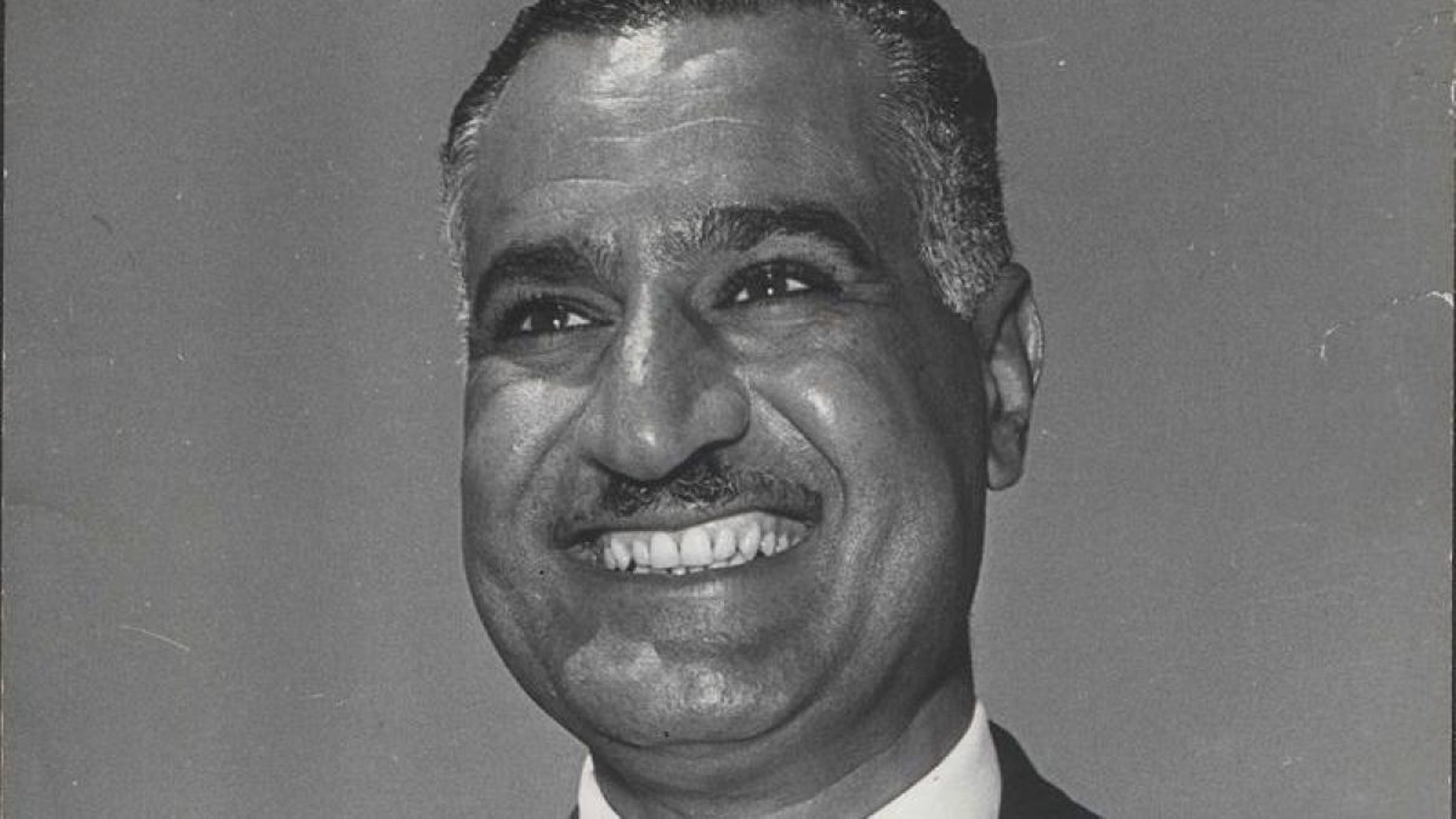
The crisis was a cold lesson in the mechanics of power. When Gamal Abdel Nasser nationalized the Suez Canal in July 1956, Britain, France, and Israel launched a clandestine military intervention to restore the status quo. While the operation achieved its tactical objectives, it collapsed under the weight of American opposition. President Dwight Eisenhower, fearing a surge in Soviet influence, weaponized the global financial system against London. With the pound sterling under fire, Britain was forced to abandon its campaign, exposing its total dependence on American support.
This humiliation forced a permanent realignment. Britain chose to anchor its future to Washington, while France opted for the pursuit of strategic autonomy, eventually withdrawing from NATO’s integrated military command. For the modern era, the legacy of Suez remains a cautionary tale of foreign-policy insolvency. Just as Britain struggled to bridge the gap between its imperial commitments and its dwindling resources, today’s regional powers are beginning to hedge their bets. The recent Mecca Pact, signed by Saudi Arabia, Turkey, and Pakistan, mirrors the French response to Suez: a quiet search for security outside the exclusive orbit of a patron whose ability to guarantee regional stability is increasingly in doubt. Alliances, as Suez proved, are not built on sentiment or shared history; they are fragile arrangements that hold only as long as interests remain aligned.



Comments (0)
No comments yet. Be the first!