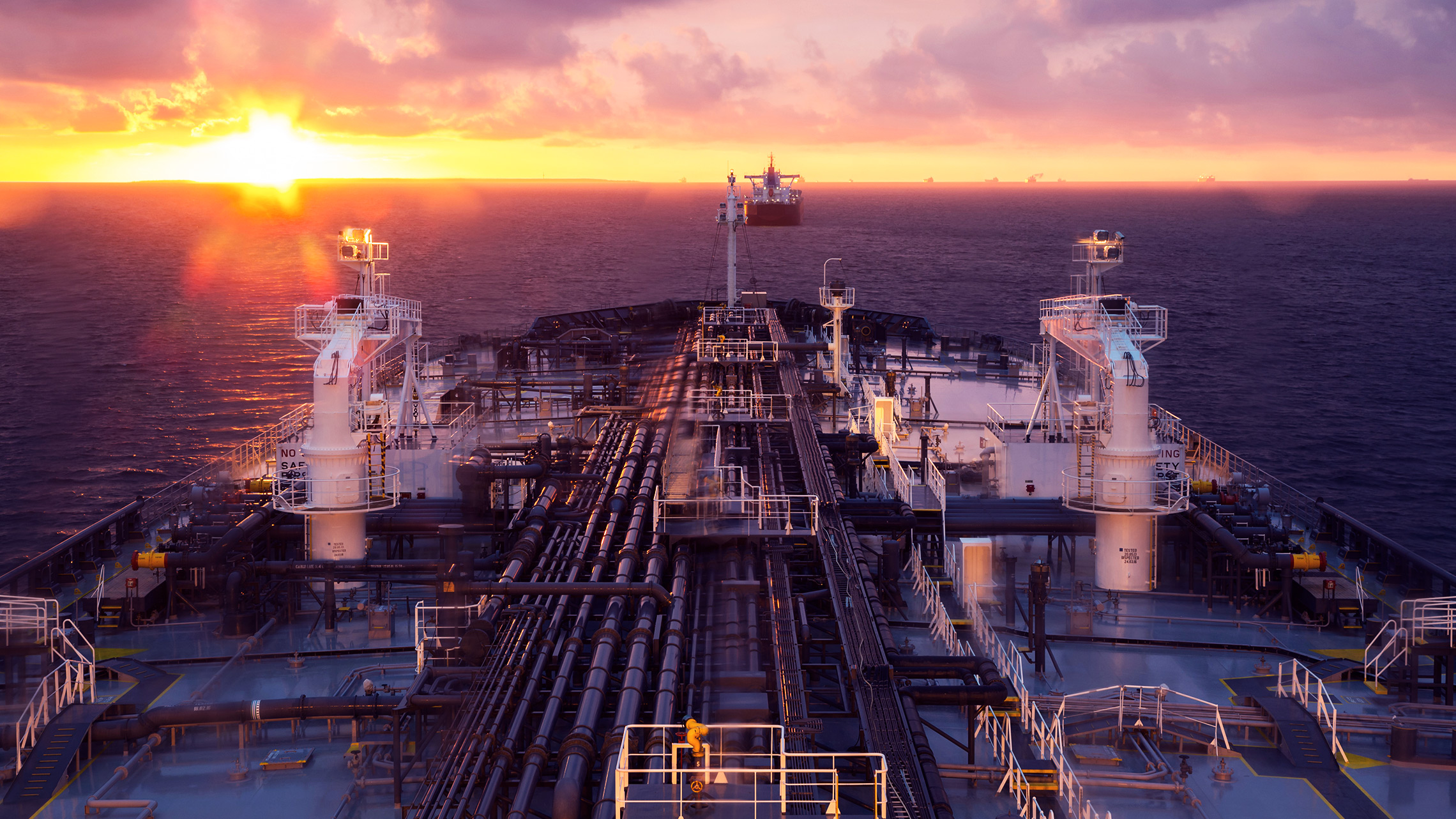
The scheme relies on a web of intermediaries, including the Myanmar-based broker Dynamic Wave and Thailand’s Tawan-Oil Trading. Documents for the December delivery were authorized by Myanmar's foreign exchange regulator, which explicitly approved labeling the Iranian cargo as diesel to facilitate a $15.8 million payment. This follows a similar $26 million deal in May 2025, where fuel specifications matched jet fuel despite being invoiced as diesel at a significant price markup.
Satellite tracking from SynMax Intelligence confirms that tankers like the Reef and the Noble loaded their cargo at Iran’s Bandar Abbas port before using deceptive location signals to mask their true destination. Payments for these shipments were processed through Thailand’s Siam Commercial Bank. While the bank maintains its compliance with anti-money-laundering laws, it has repeatedly surfaced in United Nations reports as a primary facilitator for Myanmar’s military procurement.
This pattern exposes the limitations of current US sanctions, which target the military's ability to conduct aerial attacks on civilian populations. Although the need for elaborate deception suggests that sanctions have increased the cost and risk for these actors, they have failed to fully sever the supply chain. The persistence of these shipments, which continued into 2026, highlights the difficulty of enforcing global trade restrictions when opaque commercial contracts and corrupted import documentation remain the standard for state-backed procurement.

Comments (0)
No comments yet. Be the first!