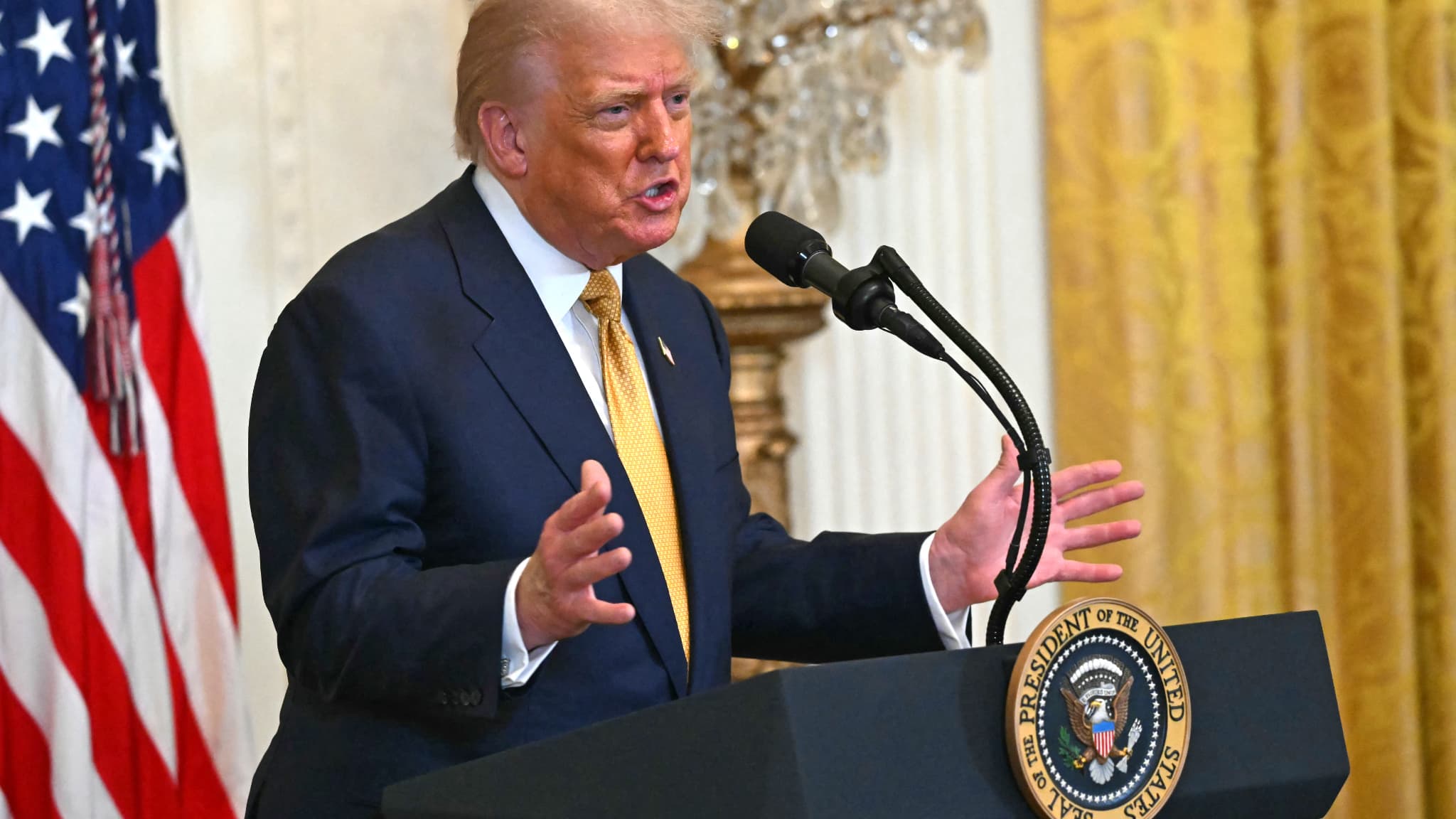
A narrow Democratic victory in the House would trigger a shift in oversight, handing the party control over committees and the power to launch investigations into the administration. Yet, these efforts face a significant bottleneck: Trump’s veto power and his authority over foreign policy, tariffs, and immigration remain largely intact. Even if Democrats secure a mandate, the reality of a Republican-controlled Senate or the looming threat of the filibuster ensures that major legislative overhauls will struggle to gain traction.
Should Democrats achieve a broader sweep of both chambers, their primary impact would be felt in the judiciary. Control of the Senate would allow the party to stall judicial confirmations, forcing a potential last-minute scramble by Republicans to cement appointments before January. Despite these tactical wins, the underlying math of Washington persists. Without a supermajority to override vetoes or bypass the filibuster, the administration’s core agenda and the president’s ability to force budget standoffs or debt ceiling crises will continue to define the political landscape until the next election cycle.




Comments (0)
No comments yet. Be the first!