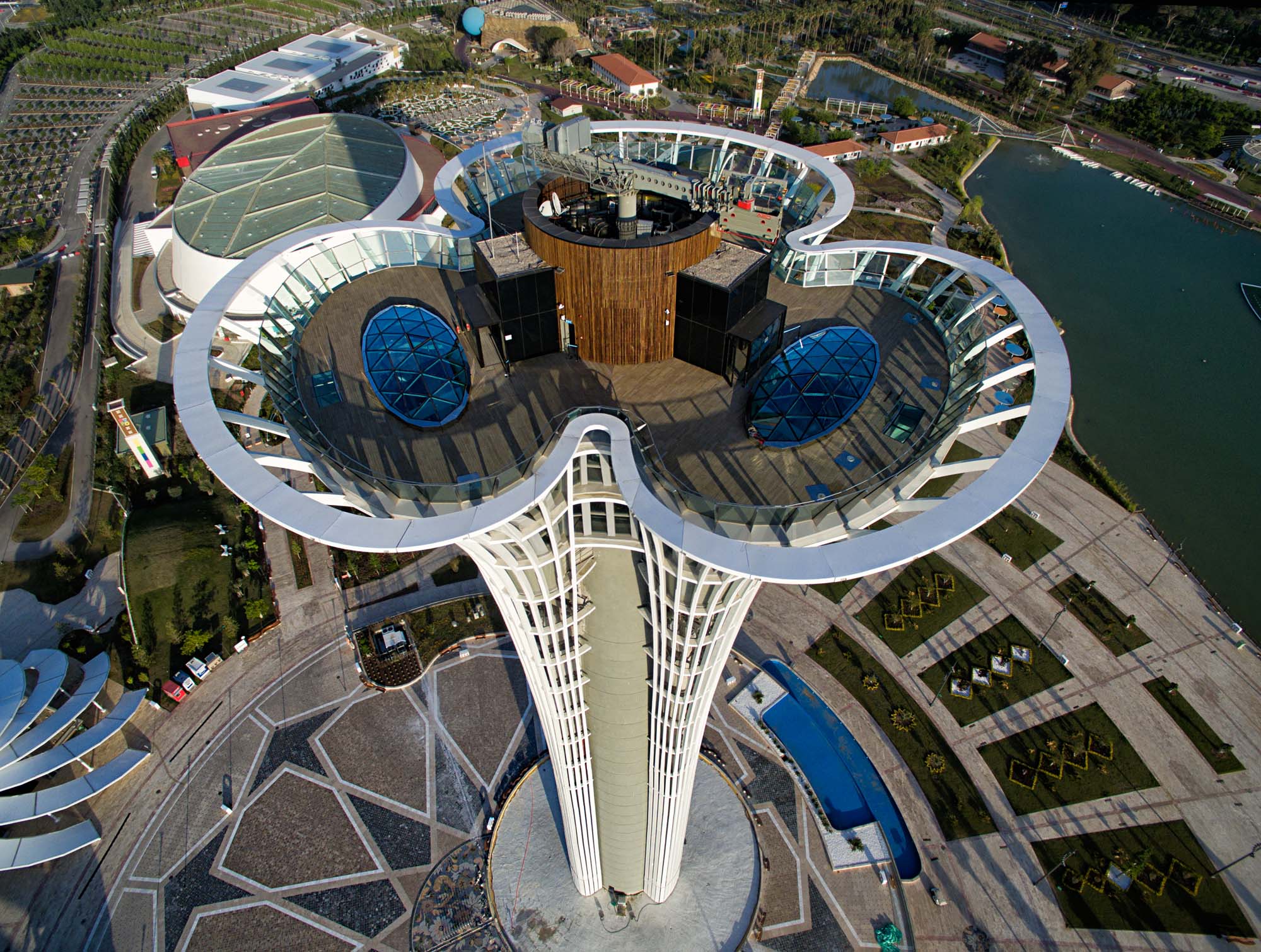
The American exit, set to finalize on 27 February 2027, is a historical first for the treaty. While the loss of Washington’s financial contributions and its traditional role as a geopolitical broker creates a void, the climate regime is already adapting. The current summit features a split governance model—with Türkiye as host and Australia leading negotiations—designed to distribute authority in the absence of a singular hegemon. This arrangement, while intended to hedge against political volatility, has already sparked friction over territorial disputes and conflicting national energy interests.
With the traditional consensus-based machinery struggling to move beyond minimum outcomes, the focus has shifted to a dual-track architecture. A formal, universal process remains, but the substantive work of climate policy is increasingly migrating to plurilateral clubs. Initiatives like the Santa Marta conference demonstrate a move toward voluntary roadmaps that operate outside the UNFCCC’s veto-prone structure. As Europe attempts to court new partners in China, India, and the Gulf, the central question for Antalya is whether these parallel systems will remain tethered to the formal process or drift into permanent fragmentation. The outcome will reveal whether the global climate regime can survive the transition from great-power choreography to a decentralized, and significantly more fragile, bargaining landscape.


Comments (0)
No comments yet. Be the first!