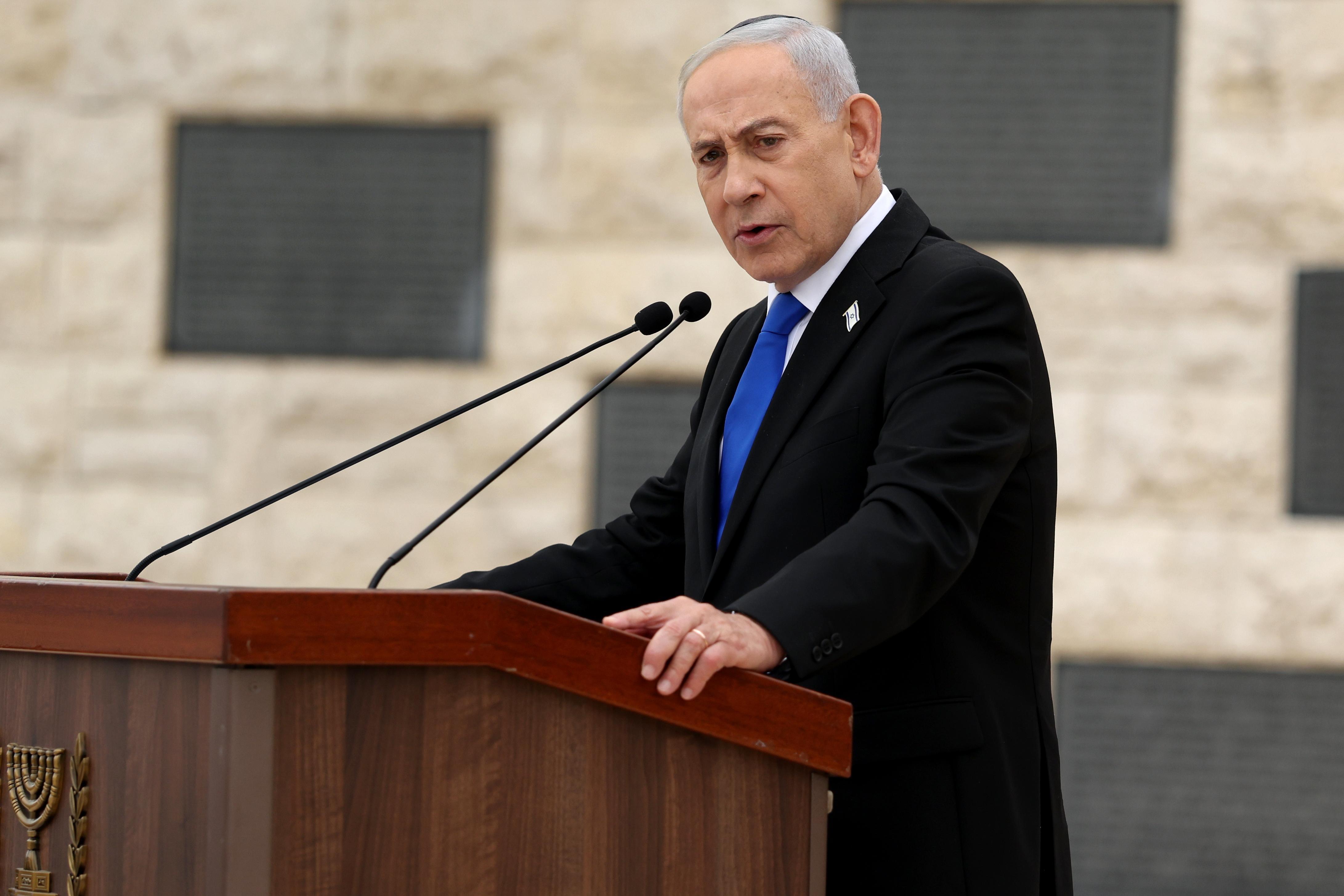
Strategic circles, including the China Institute of Contemporary International Relations, increasingly view the current Israeli government as a source of regional volatility. Following the conflict in Gaza, relations between Beijing and Tel Aviv have soured, with Netanyahu’s administration openly criticizing China’s diplomatic stance and accusing the nation of orchestrating media campaigns against Israel. For Beijing, these tensions threaten the viability of the Belt and Road Initiative, as the current government’s hardline approach complicates trade routes in the Red Sea and the Eastern Mediterranean.
Chinese analysts suggest that a shift toward a center-left or moderate military leadership—such as an alliance involving Yair Lapid or Gadi Eisenkot—could restore a degree of traditional diplomacy to Tel Aviv. While Beijing harbors no illusions that a new government would break from Washington, it anticipates a more rational, less ideological partner. A change in leadership is viewed as a mechanism to lower the temperature regarding Iran, a key Chinese energy partner, and to potentially roll back the intense pressure applied by the U.S. to purge Chinese technology and infrastructure investments from the Israeli market.


Comments (0)
No comments yet. Be the first!