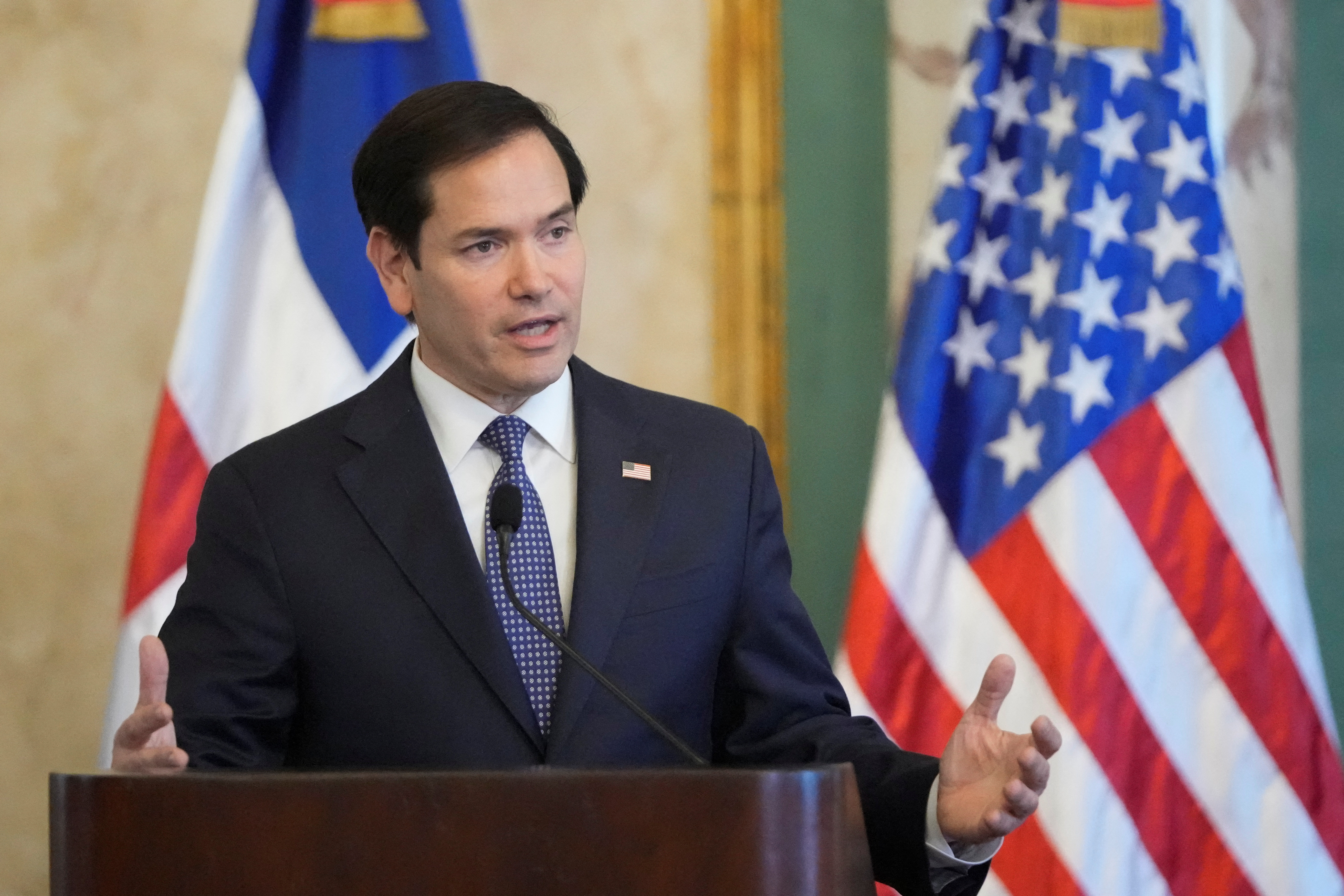
Addressing supporters at a Florida rally, Trump framed the regional shift as a priority, positioning Rubio as the primary architect of his Cuba policy. While the administration has refrained from detailing the mechanics of the proposed cooperation, the initiative arrives during a period of acute instability. A tightening US oil blockade has crippled Cuban infrastructure, triggering widespread blackouts and severe fuel shortages that have further eroded the government’s grip on basic services.
This aggressive posture builds on months of regional volatility, notably the January US military raid targeting Venezuelan leadership. While Havana’s foreign minister has maintained a formal stance of openness to dialogue during UN proceedings, the pressure from Washington continues to mount. Critics, including various UN human rights experts, have characterized the current blockade as a violation of international law, while regional observers warn that the administration’s rhetoric signals a return to historical interventionist policies. Trump maintains that a total regime transition can be secured through these tactics without direct military engagement, despite the US embargo against the nation entering its seventh decade.



Comments (0)
No comments yet. Be the first!