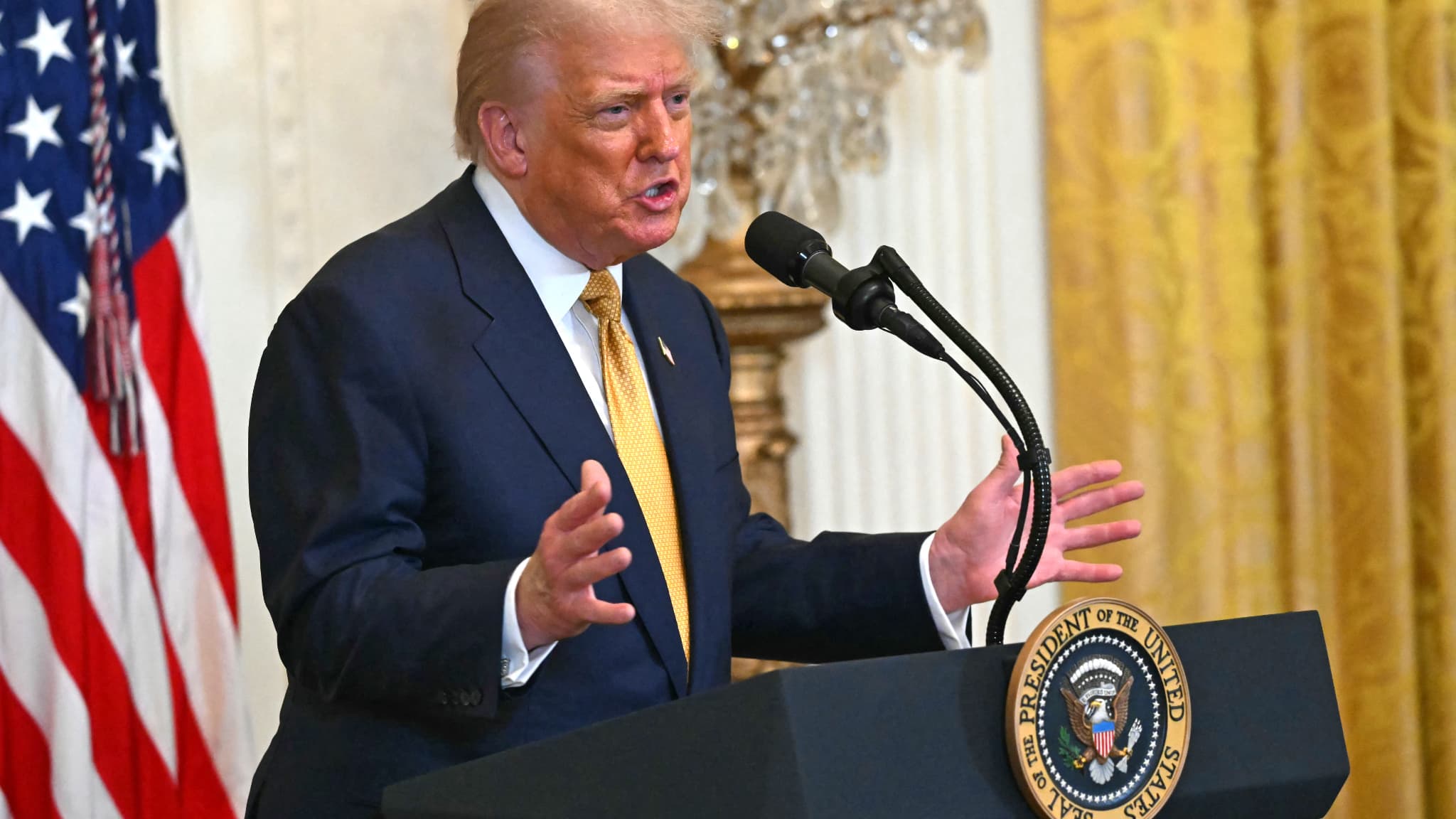
The current political climate mirrors the 2006 midterms, when George W. Bush’s handling of the Iraq War catalyzed major Republican losses. Voters are connecting the dots between rising energy costs and the conflict with Iran, which began eight months ago. Despite Trump’s campaign promises to avoid new foreign interventions, his administration’s choices—including tariffs and military posturing—have left households struggling with grocery bills and fuel prices. Christopher Preble, a senior fellow, suggests that the ballot box has become the primary vehicle for expressing dissatisfaction with these global maneuvers.
Trump has attempted to mitigate the fallout, recently easing sanctions on Russian diesel to stabilize fuel markets, a move that drew sharp criticism from those wary of his stance on the Ukraine conflict. White House spokesman Matt Middleton maintains that these economic disruptions are temporary, yet the administration’s narrative faces skepticism. With approval ratings at historic lows, the President’s ability to shift blame is waning. If the Democratic Party captures the House or Senate, Trump’s legislative agenda faces total paralysis, potentially forcing him to rely even more heavily on unilateral executive action in his final years in office.

Comments (0)
No comments yet. Be the first!