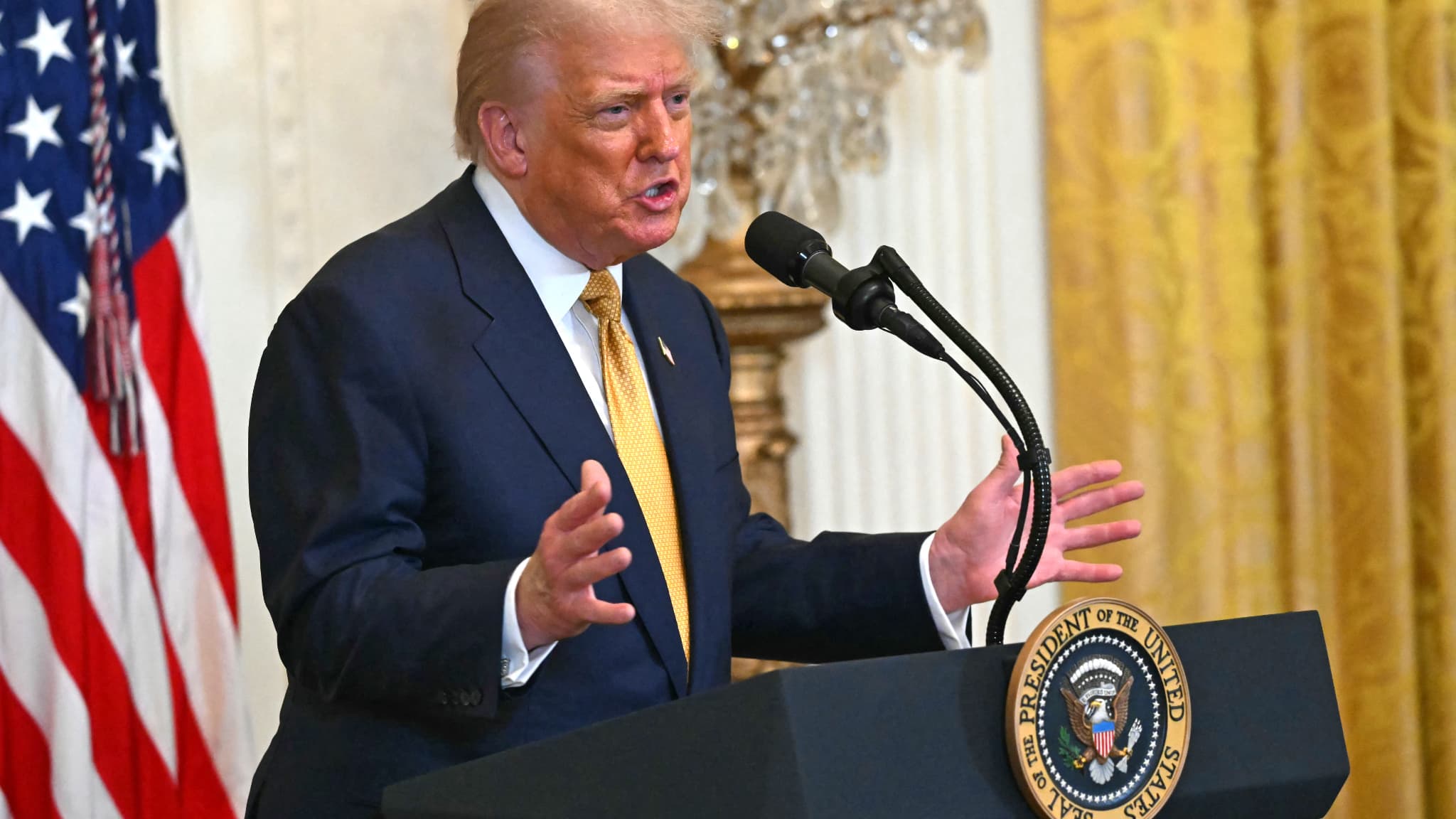
The administration’s latest efforts—including $8 billion in new farm aid and executive orders allowing red-dyed diesel for highway use—face significant implementation hurdles. The IRS has yet to fully waive federal taxes on the off-road fuel, leaving distributors in a state of confusion and experts questioning if the shift will provide any measurable relief at the pump. Meanwhile, farm subsidies are projected to hit a record $55 billion this year, stoking fears about the federal deficit and the sustainability of such fiscal interventions.
Diplomatically, the strategy has proven equally volatile. Easing sanctions on Russian fuel to temper global prices has triggered bipartisan backlash, while pressuring European allies to release emergency stockpiles has strained long-standing partnerships. Analysts argue that the President is prioritizing short-term political optics over structural energy reform. Despite the White House pointing to refinery closures and the war in Ukraine as the primary drivers of inflation, the aggressive spending and policy pivots have failed to stabilize fuel costs, leaving the administration to navigate a deepening political divide in Republican strongholds like Iowa and Kansas.


Comments (0)
No comments yet. Be the first!