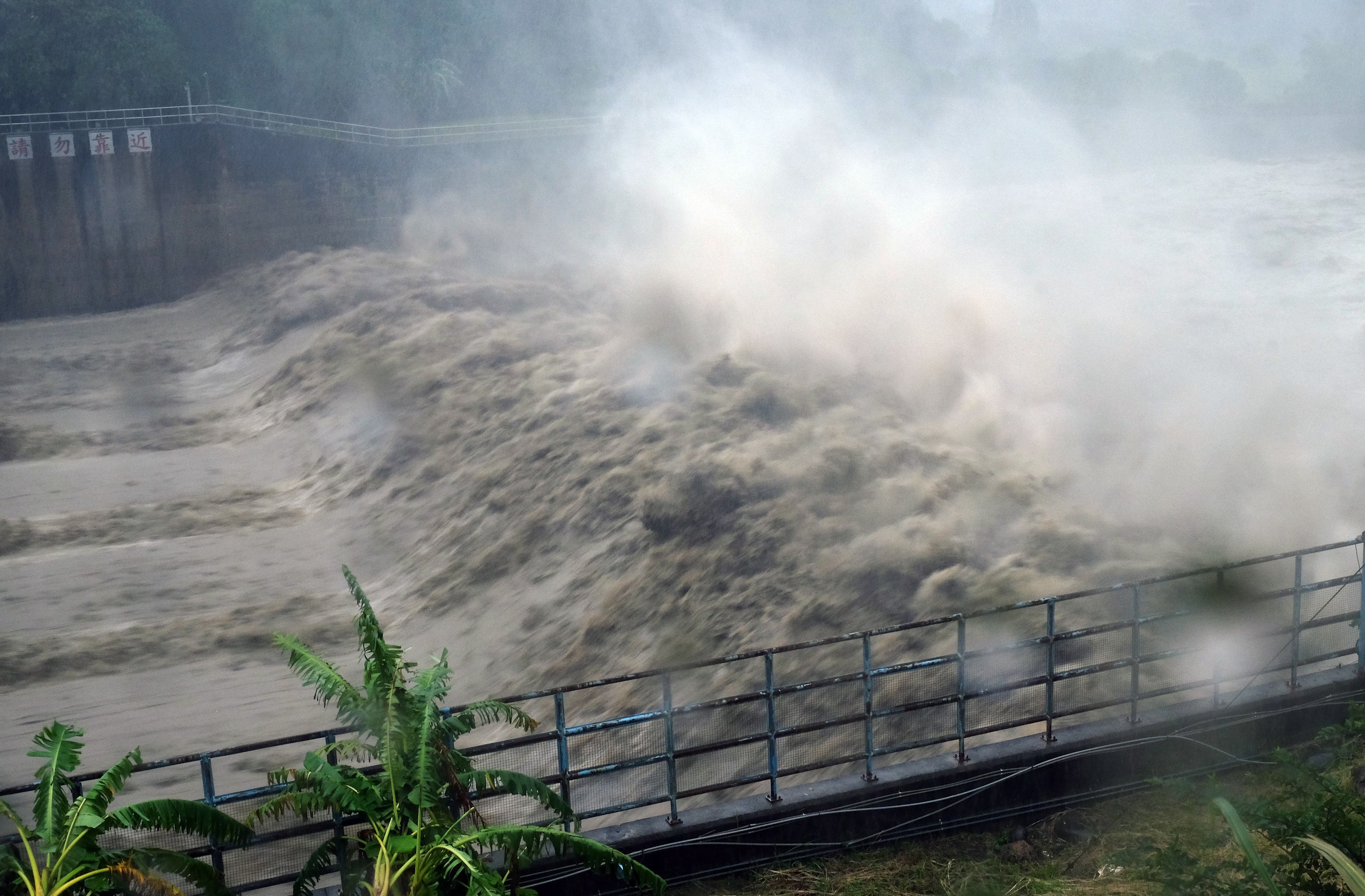
The storm’s massive 320-kilometer radius triggered widespread disruption, grounding all domestic flights and forcing the closure of financial markets. While power grids initially faltered—leaving 77,000 homes in the dark—utility companies managed to restore service to most areas by midday. Industrial hubs remained largely resilient, with semiconductor giant TSMC reporting no significant operational impacts despite the extreme weather conditions.
Coastal communities in Yilan and Keelung braced for the worst, deploying sandbags and securing vessels against anticipated surges. Although the typhoon’s projected path tracks toward the Chinese coast and eventually Japan’s Yonaguni Island, meteorologists warn that any shift in speed could still result in a direct landfall. Residents remain under strict mobile alerts, with forecasts predicting up to a meter of rain in northern highlands, while public transit in Taipei continues to operate on a drastically reduced schedule.




Comments (0)
No comments yet. Be the first!