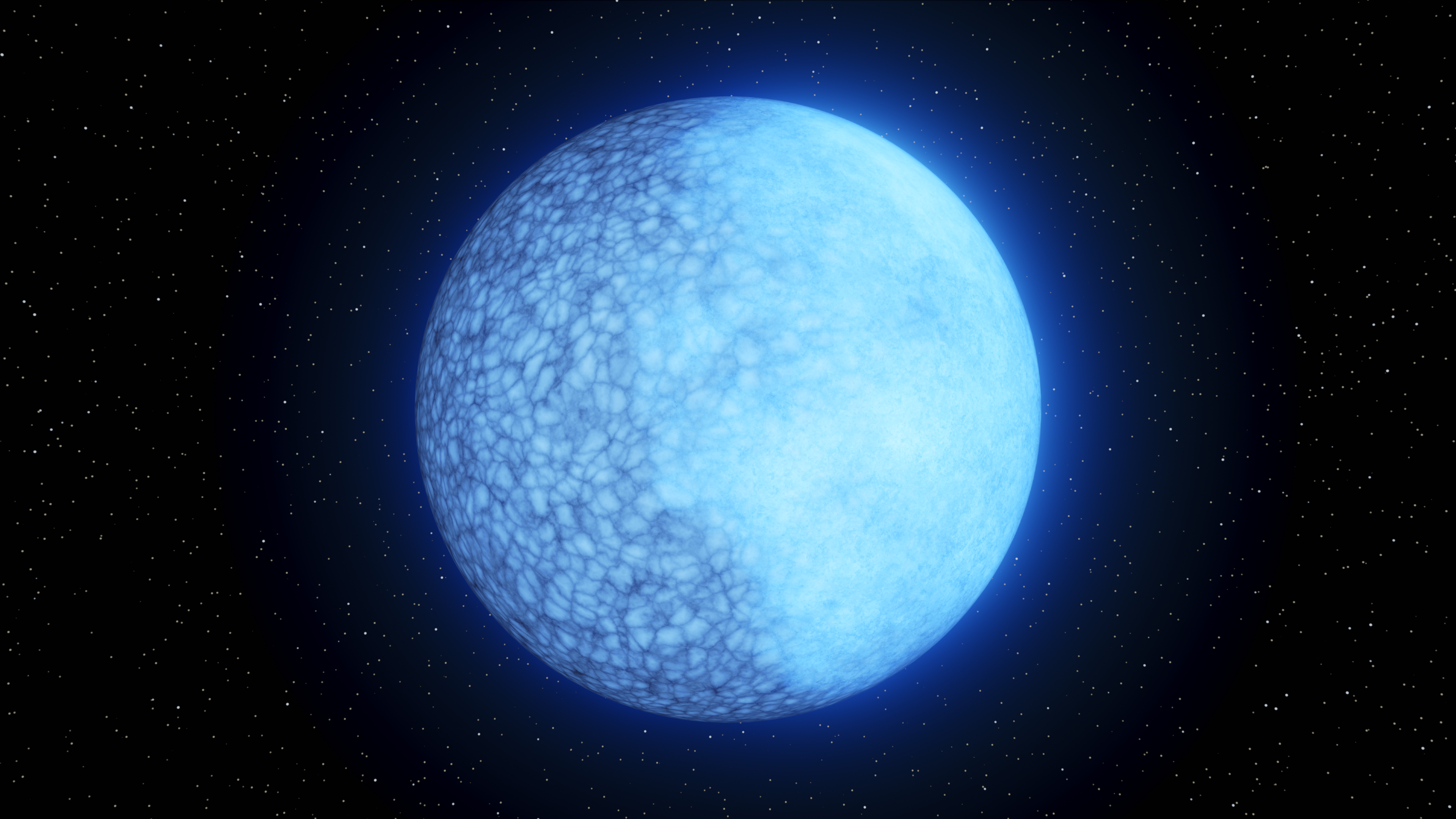
Jamie Williams, a doctoral candidate at the University of Warwick, uncovered the signature of this second-generation world while cross-referencing 1999 Hubble observations against modern chemical databases. The presence of niobium—an element typically forged under extreme conditions within dying stars—serves as a chemical fingerprint of material recycled from the star’s core. Unlike Earth, which coalesced from the primordial dust of the Sun’s birth, this gas giant emerged from the aftermath of a stellar death.
Confirmation of the system’s dynamics came through NASA’s Transiting Exoplanet Survey Satellite (TESS), which tracked the white dwarf over four months. The data revealed rhythmic fluctuations in brightness, indicating a massive object orbiting just 6 million kilometers from the stellar remnant. This distance is significantly closer than Mercury’s orbit around the Sun, placing the planet in a precarious position. The intense heat radiating from the white dwarf is currently stripping the planet’s atmosphere, creating a comet-like tail of escaping gas that eventually falls back onto the star’s surface. Nicholas Stone of the University of Wisconsin-Madison notes that this cycle of material exchange provides a rare window into how planets survive—and evolve—long after their host star has exhausted its nuclear fuel.


Comments (0)
No comments yet. Be the first!