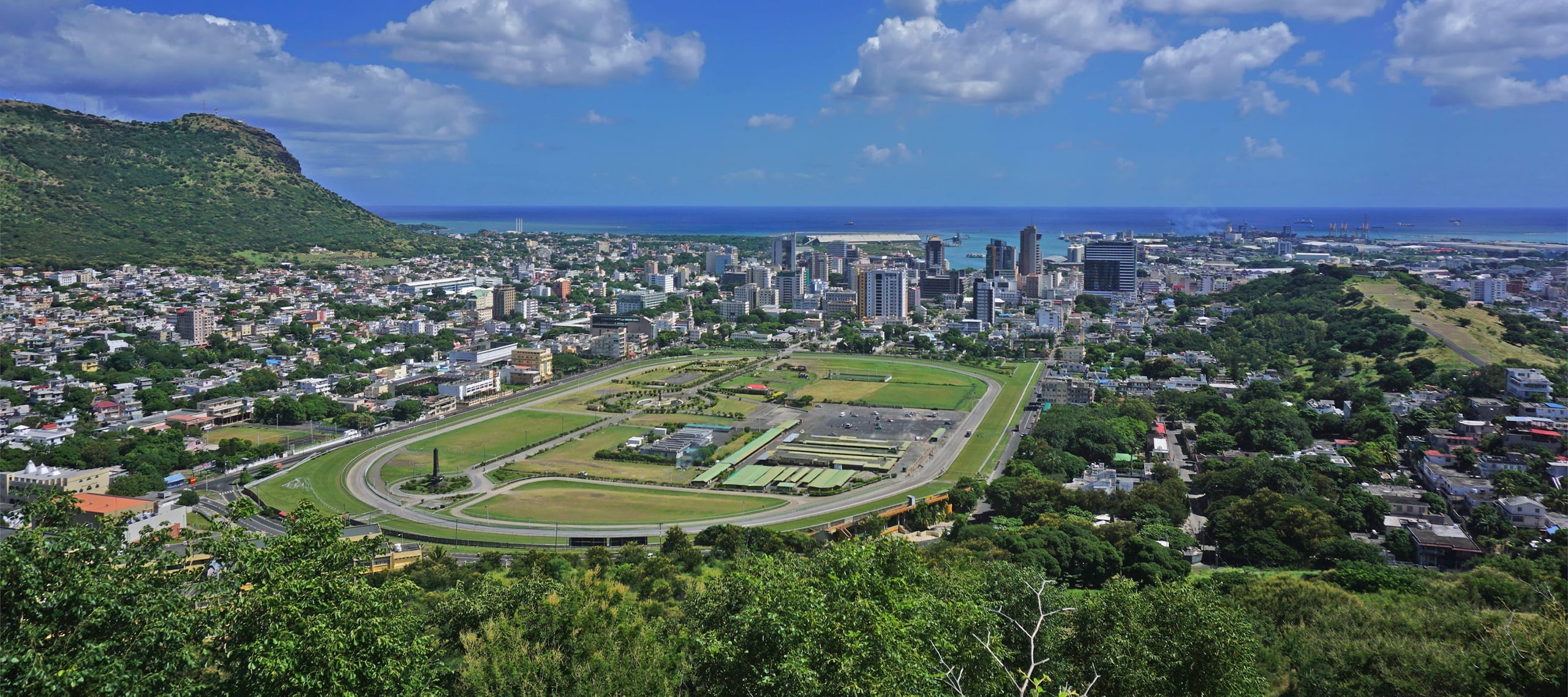
The traditional engines of the Mauritian economy—manufacturing, tourism, and financial services—are losing their competitive edge. Investment has increasingly diverted into real estate rather than into capacity-building, while productivity gains have stagnated. A core issue lies in the concentration of market power; industries with limited competition now account for one-third of national employment and revenue. State-owned enterprises in sectors like electricity and maritime transport continue to suffer from poor governance, which discourages the private investment necessary to modernize essential services.
Demographic pressures further complicate this transition. With nearly one in five citizens projected to be over 65 by 2033, the shrinking working-age population is straining public finances and pension systems. Compounding this is a persistent talent mismatch: over half of tertiary-educated youth remain outside the workforce, even as employers struggle to fill vacancies in specialized fields like cybersecurity and artificial intelligence. The World Bank suggests that while Mauritius possesses a solid digital foundation, the government must streamline public services and align educational outcomes with workplace demands to capture the growth promised by a digital, knowledge-based economy.


Comments (0)
No comments yet. Be the first!