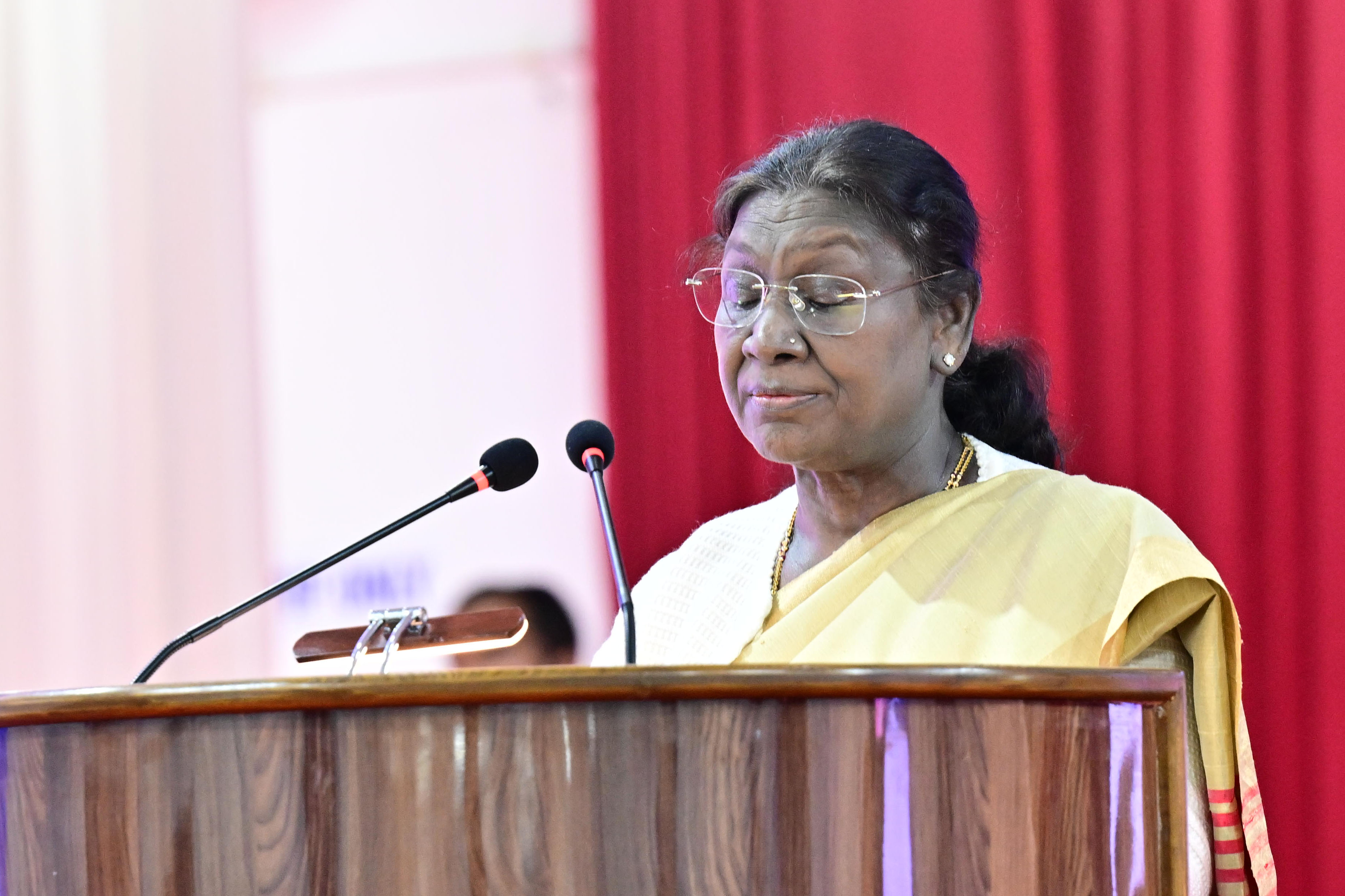
BJP leadership framed the enactment as the realization of a constitutional vision championed by figures like B.R. Ambedkar. Party representative Anil Patel lauded the legislation as a landmark for gender equality, asserting that it provides necessary legal uniformity across diverse communities. The law specifically targets long-standing discrepancies in how live-in relationships, succession, and marital rights are managed, aiming to provide women with stronger protections under a single, unified code.
Conversely, the Gujarat Pradesh Congress Committee rejected the rollout as a calculated political maneuver. Party president Amit Chavda argued that the government bypassed critical public discourse, ignoring the distinct traditions of the state’s varied religious and caste groups. Congress officials contended that the administration rushed the bill through the Assembly to shift focus away from systemic failures, including high unemployment, recurring examination paper leaks, and rising inflation. While the BJP maintains the act is vital for national unity, the opposition insists the policy ignores the immediate socioeconomic struggles facing the state's tribal populations, Dalits, and farmers.



Comments (0)
No comments yet. Be the first!