The political campaign has centered on the financial health of airBaltic and the ballooning costs of the Rail Baltica project. Prime Minister Andris Kulbergs and his United List party lead the polls, aiming to form a coalition that systematically excludes parties appealing to Latvia’s large Russian-speaking minority. This consensus on security has effectively turned the debate over the 870-km railway into a sterile accounting exercise, ignoring its function as the primary artery for NATO reinforcements.
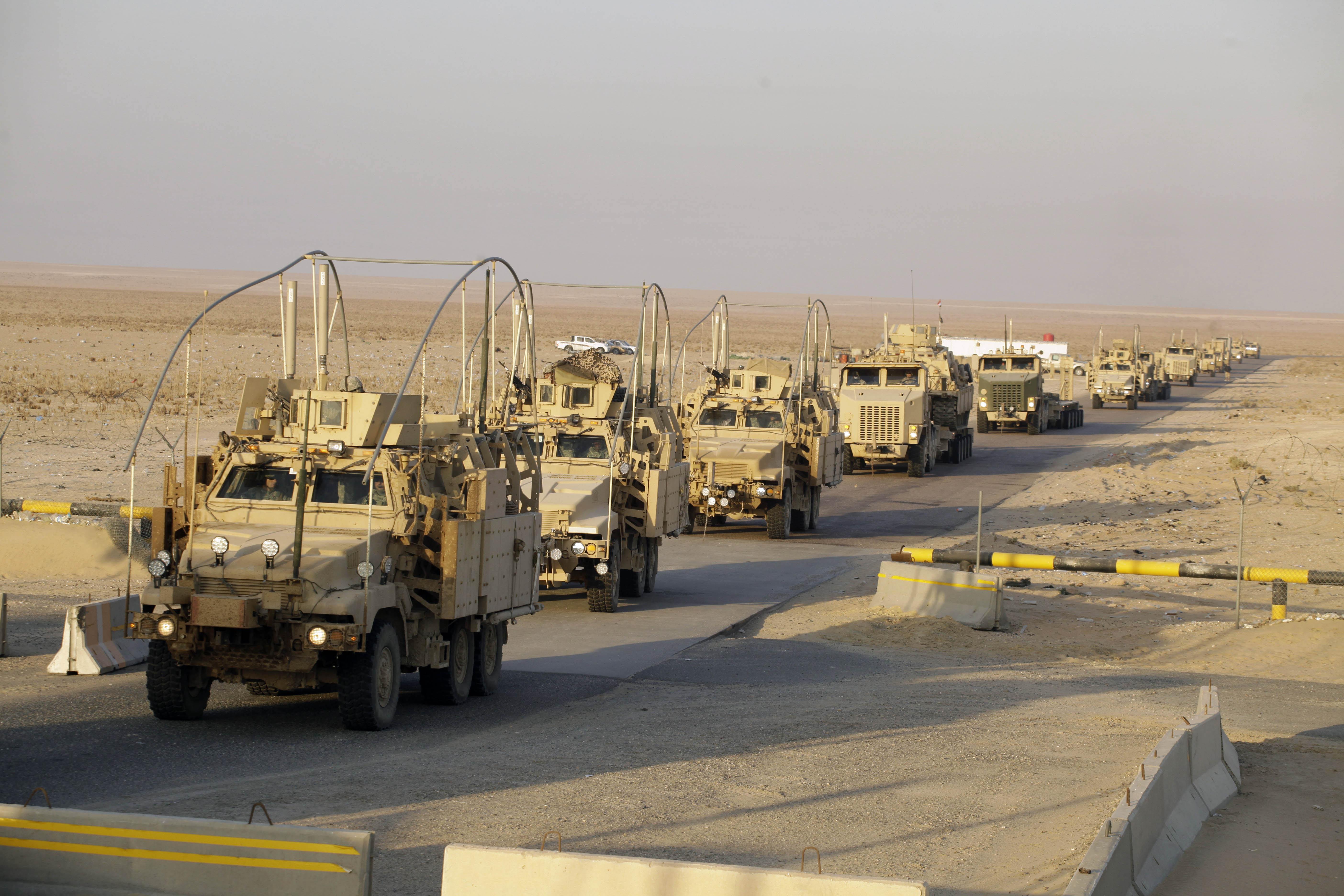
Rail Baltica is designed to bridge the gap between the Baltic states' current 1,520 mm Russian-gauge tracks and the standard European gauge, a prerequisite for moving heavy armor and troops from the West. With NATO designating the German-Netherlands Corps to manage up to 60,000 soldiers in a crisis, the railway is a vital military asset. Yet, the project’s cost has surged from €5.8 billion in 2017 to an estimated €23.8 billion today. Kulbergs has explicitly rejected fixed deadlines for the project, citing the need to avoid administrative stress. This posture leaves a critical hole in NATO’s logistics plan, as the alliance currently relies on the assumption that heavy equipment can be moved by rail, not just by road or sea.
Beyond the tracks, the exclusion of parties like Latvia First and Sovereign Power—which command roughly a fifth of the electorate—creates a domestic vulnerability. By isolating this demographic without addressing their grievances, the incoming government risks providing fertile ground for Russian information operations. The election will ultimately be defined by two metrics: the success of these opposition parties and the specificity of the new coalition’s language regarding the railway. If the government continues to treat the line as a fiscal burden rather than a military necessity, the strategic gap in the Baltic defense corridor will remain wide open.



Comments (0)
No comments yet. Be the first!