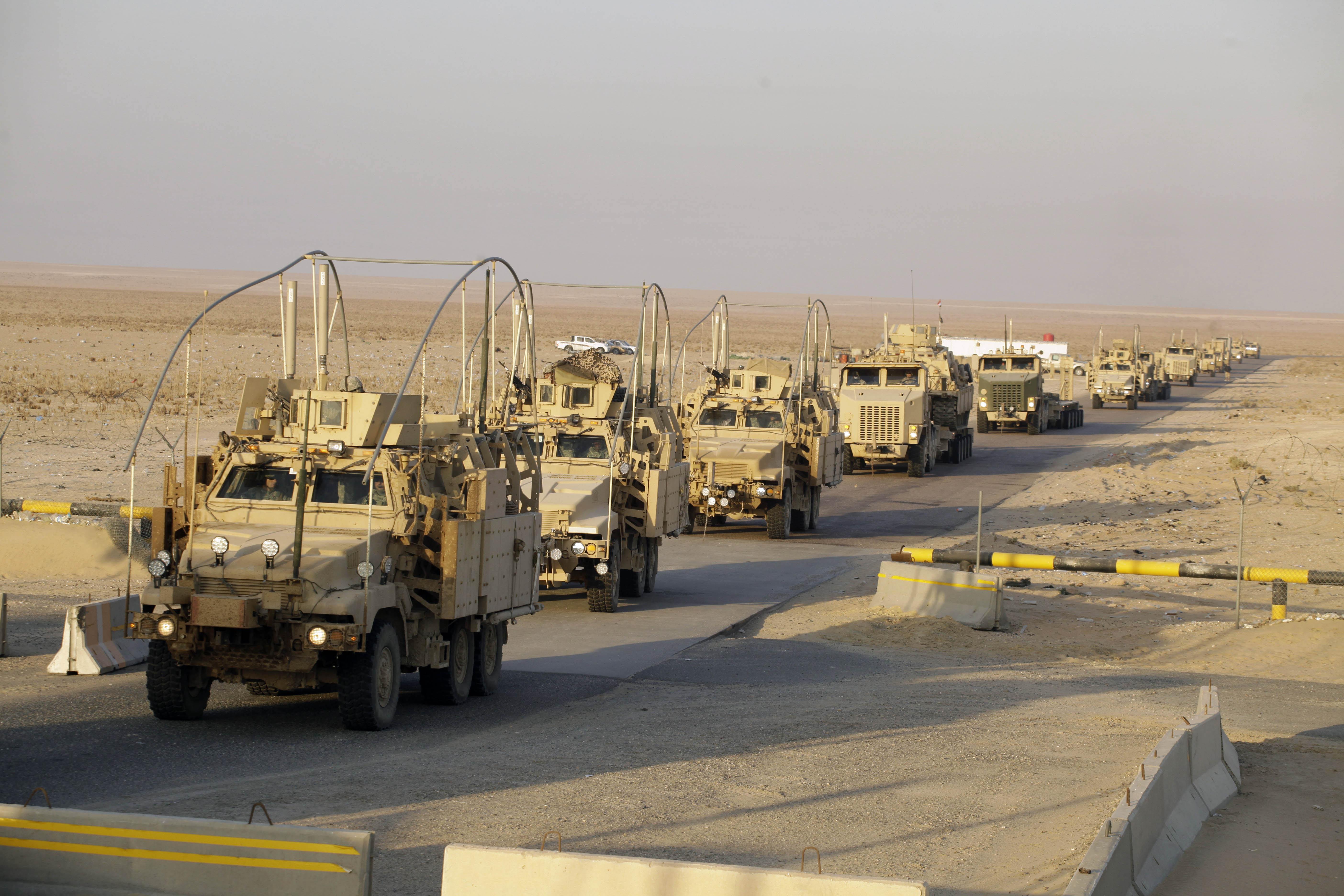
The withdrawal, finalized this Wednesday, marks the end of a long-standing military presence that cost the lives of approximately 4,500 American service members. While the move is celebrated by Tehran as a strategic victory, local Iraqi experts remain skeptical of the domestic security apparatus's ability to operate without Western intelligence, aerial surveillance, and tactical reconnaissance. Baghdad now faces the dual challenge of curbing the political encroachment of Iranian-aligned factions and securing a border still plagued by Islamic State sleeper cells.
Jassim al-Bahadli, a security advisor to the Iraqi government, warned that the history of the last two decades demonstrates the inherent danger of security vacuums. The concern is exacerbated by technological shifts, such as the proliferation of drone warfare, which Iraqi forces currently struggle to counter. Retired General Mohammed al-Jubouri emphasized that the viability of post-coalition Iraq depends entirely on whether the government has a functional contingency plan to replace the support previously provided by the international coalition.


Comments (0)
No comments yet. Be the first!