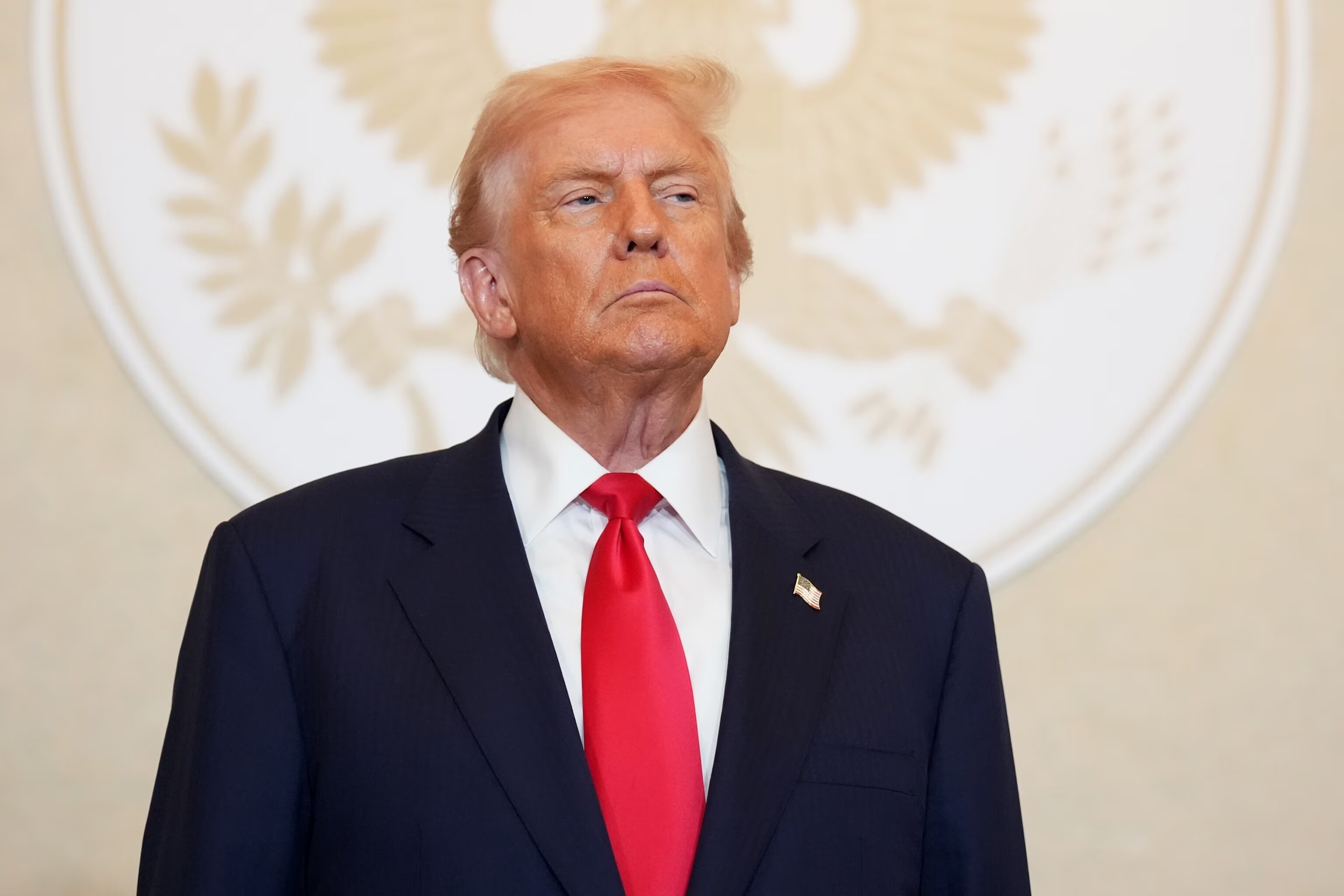
The document, published Tuesday, labels American politicians as "evil, deceitful, and violent," signaling a direct attempt to influence the upcoming November 3 congressional elections. While the text is unlikely to reach a wide US audience, it highlights political vulnerabilities currently dogging the Republican Party. Recent polling data underscores this friction: only 17% of respondents approve of Donald Trump’s handling of the cost of living, while just 34% back the ongoing military strikes against Iran.
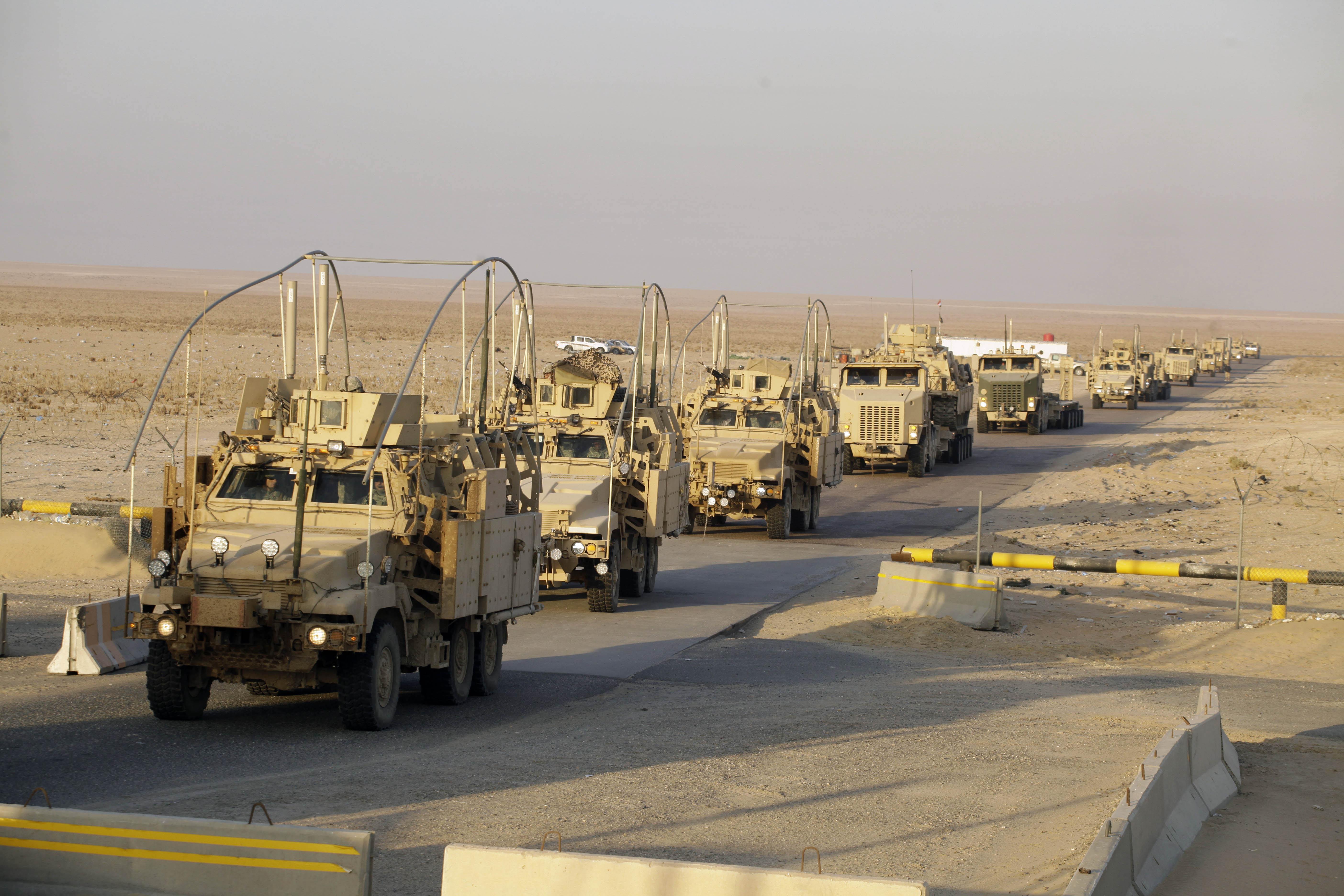
Despite Trump’s insistence that Tehran faces imminent collapse, the conflict continues to disrupt global energy markets. The closure of the Strait of Hormuz has sent fuel prices climbing, complicating the president's domestic agenda. Meanwhile, Qatar is intensifying its shuttle diplomacy, with Foreign Ministry spokesperson Majed al-Ansari confirming ongoing efforts to find common ground. Although Iran recently proposed a peace plan tied to the reopening of the strategic waterway, the White House has shown little appetite for the terms. As the US completes its retreat from Iraq—marking the end of a 23-year military footprint—Tehran remains focused on its broader goal: driving American influence out of the Middle East entirely.



Comments (0)
No comments yet. Be the first!