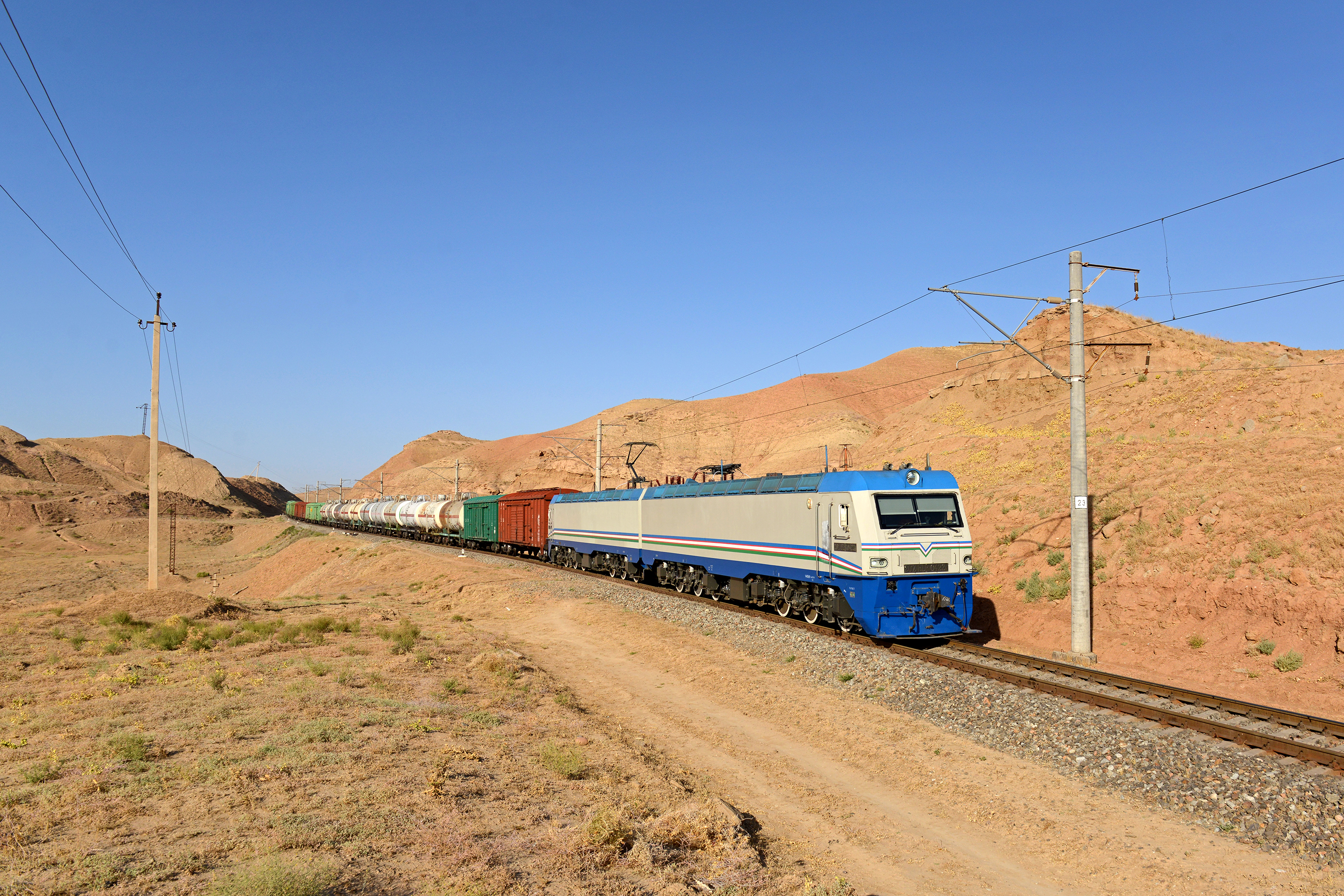
The scale of the project is immense. The World Bank identifies $25.1 billion in core infrastructure needs, primarily rail, alongside $30.5 billion in supporting investments like logistics hubs and industrial facilities. While 75 percent of the core projects are already in motion, the true challenge lies in preventing these nations from remaining mere transit points. Policymakers face a critical choice: link transport expansion to industrial strategy or settle for the limited revenues of passing cargo.
Physical infrastructure is currently undermined by extreme bureaucratic friction. A single shipment may cross up to five international borders, requiring 10 customs entries and five separate sets of documents. This complexity leaves the Middle Corridor with a 47-to-50-day transit time, struggling to compete with the 45-day maritime standard. If countries implement digital solutions like the proposed T3 document and streamline border regimes, the report estimates transit times could plummet to 18-19 days by 2040.
Attracting the $20 billion of potential private capital requires more than just new tracks. State-owned enterprises currently dominate the sector, often shielding inefficient practices from market discipline. To unlock private investment, governments must prioritize corporate governance and clear public-private partnership frameworks. Success depends on whether these nations can synchronize their regulatory environments, ensuring that infrastructure is matched by the speed and transparency required for global trade.


Comments (0)
No comments yet. Be the first!