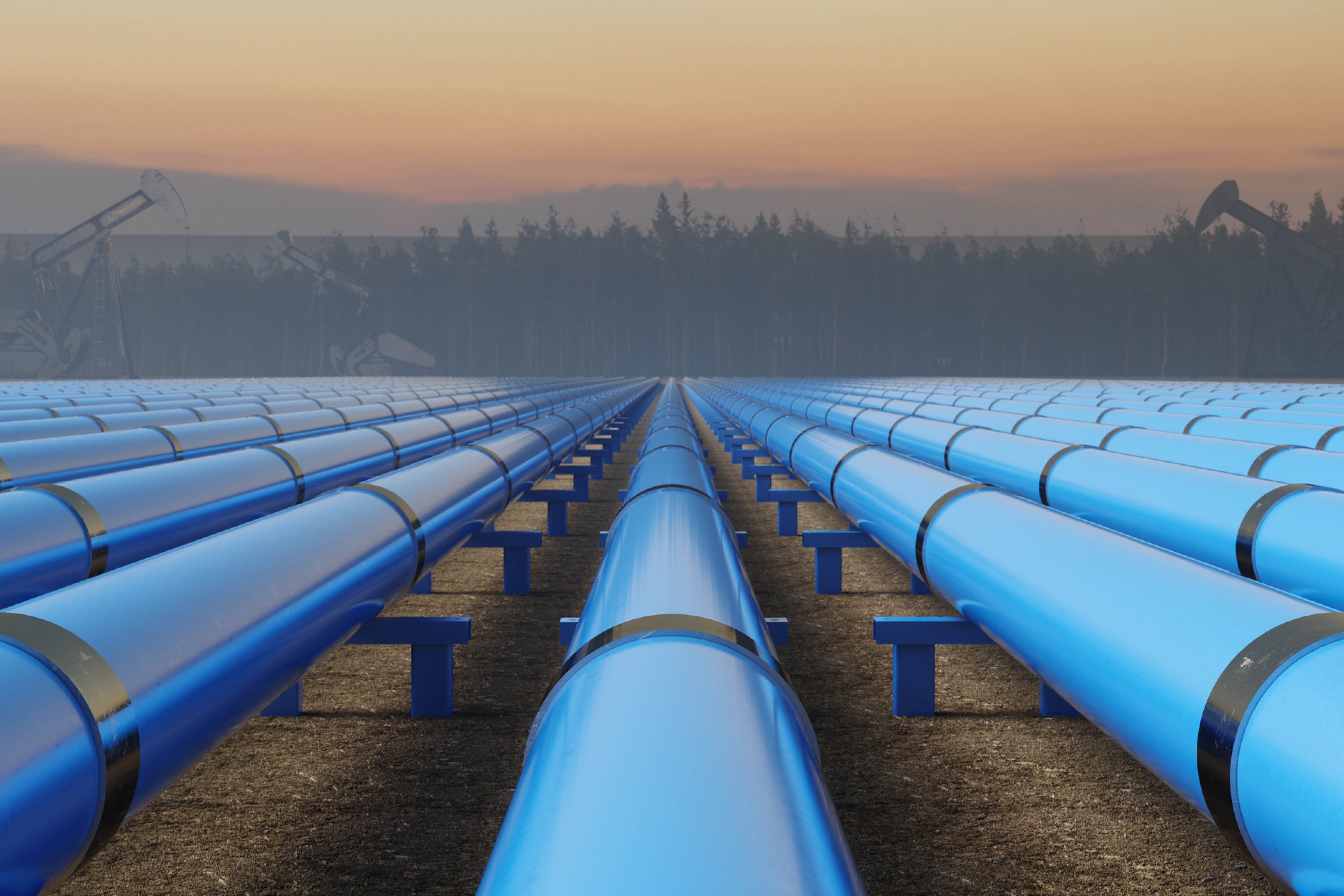
The proposed legislation, intended to be the world’s first to target methane leaks from imported fossil fuels, mandates strict monitoring and reporting for foreign producers. Companies failing to comply face penalties reaching 20% of their annual turnover. While the policy aims to curb a potent greenhouse gas, it has triggered a backlash from governments including France, Germany, Italy, and the Czech Republic, alongside the United States—Europe’s primary supplier of liquefied natural gas.
Opponents argue that the current timeline forces importers into a corner during a period of acute supply instability, specifically citing disruptions near the Strait of Hormuz. A Wood Mackenzie study suggests nearly half of European gas imports could struggle to meet the initial requirements, potentially prompting suppliers to divert cargoes elsewhere to avoid legal risk. Conversely, environmental analysts maintain that sufficient gas supplies exist to meet the standards, provided producers move quickly to verify their emissions. As the European Commission prepares a formal proposal for a potential delay, the debate pits the union’s climate ambitions directly against the immediate, volatile reality of maintaining energy security.



Comments (0)
No comments yet. Be the first!