
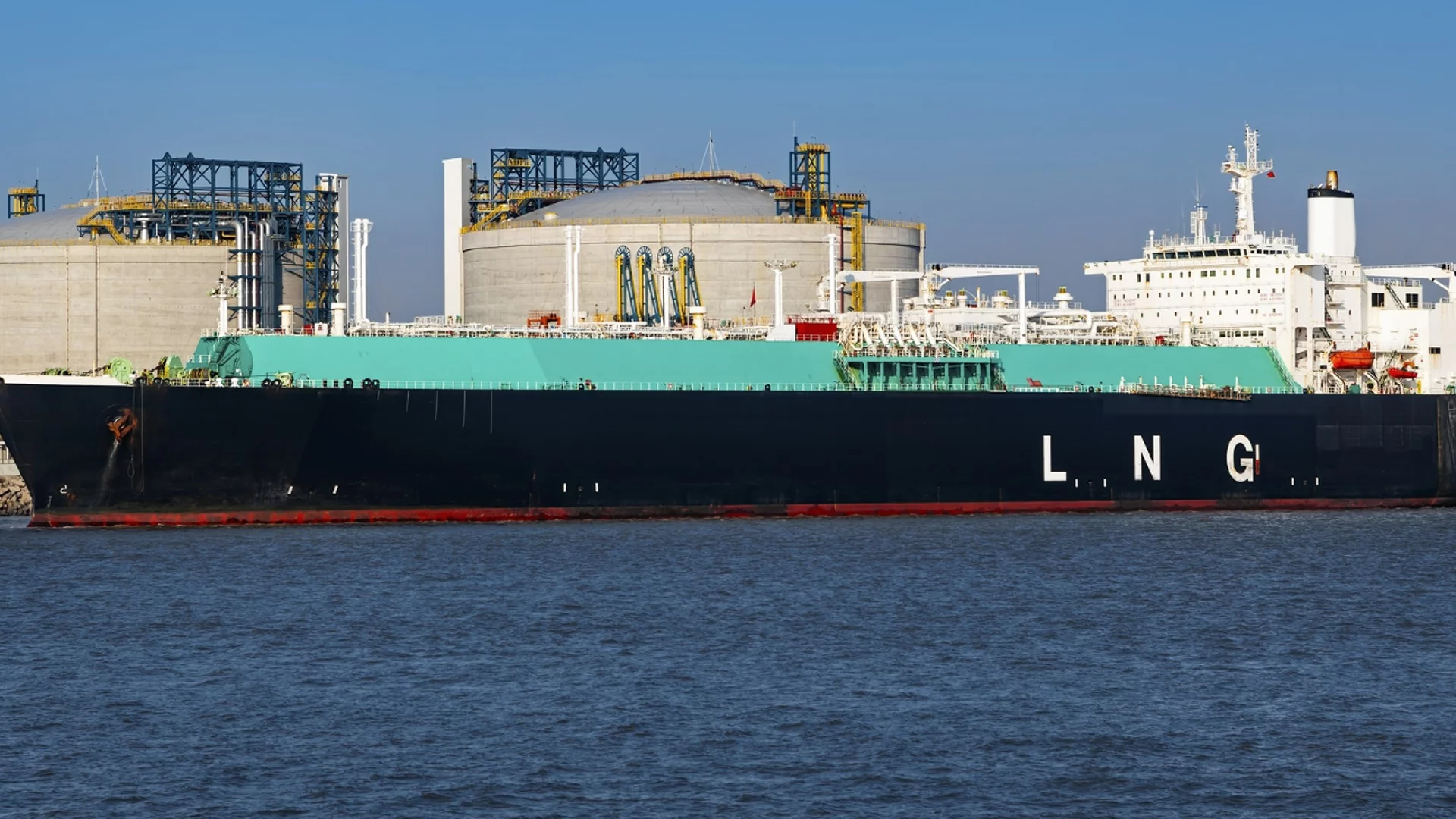
The currency's recent slide reflects growing anxiety over Europe’s vulnerability to energy imports. Disruptions in the Strait of Hormuz have pushed regional gas prices above €80 per megawatt hour, the highest levels since late 2022. RBC BlueBay Asset Management portfolio manager Kaspar Hense warns that if prices stabilize between €85 and €100, the euro could face further downward pressure toward $1.12. Beyond energy, the bond market signals deep concern: the yield spread between French 10-year government bonds and German debt has widened beyond 110 basis points. Bank of America strategists estimate that every additional 10-point increase in this spread correlates with a 0.4% decline in the euro.
Political instability compounds these economic headwinds. Chancellor Friedrich Merz faces a fractured legislative landscape in Germany following far-right electoral gains, while France grapples with persistent debt concerns ahead of the 2027 presidential cycle. Despite these pressures, some analysts maintain a cautious outlook. If the European Central Bank sustains its hawkish interest rate policy, it may provide enough of a floor to prevent a sharp devaluation. ING strategist Francesco Pesole maintains a year-end target of $1.16, provided the central bank does not pivot. However, with three-month risk reversals showing the largest decline since the outbreak of the Iran conflict, the window for a sustained recovery remains narrow.



Comments (0)
No comments yet. Be the first!