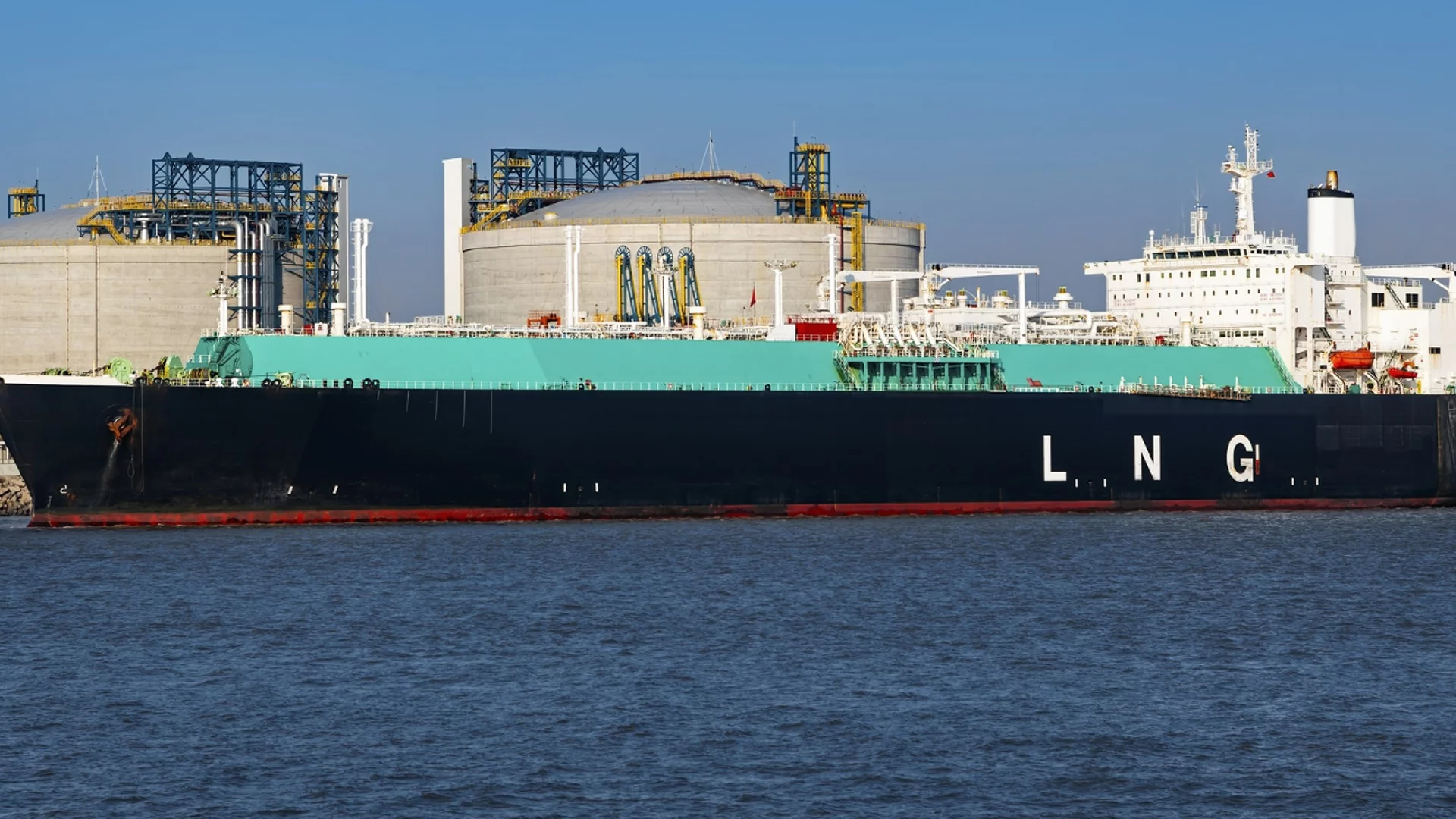
Energy storage levels across the bloc currently sit at 70 percent, significantly lower than last year, while the Dutch TTF benchmark remains elevated following the regional fallout of the Iran conflict. Energy Commissioner Dan Jørgensen has urged member states to prioritize demand reduction, signaling that the current supply crisis is inseparable from rising costs. Unlike traditional sanctions that require unanimous renewal, the LNG prohibition was passed as a trade measure by a qualified majority, effectively insulating it from individual state holdouts like Hungary and Slovakia.
However, the legislation includes a critical safety valve: the Commission may suspend the ban for up to four weeks if a severe security-of-supply emergency occurs. This clause has become the focal point for industry leaders like Eni CEO Claudio Descalzi, who have lobbied for flexibility. The tension is compounded by Europe’s shifting import landscape; reliance on American LNG has surged to over half of total supply, leaving the continent vulnerable to price-driven market shifts where cargoes favor Asian buyers over European storage needs. With the Kremlin’s Arctic Yamal project still counting on Europe as its primary customer, the January deadline represents a pivot point. Whether the EU opts for emergency derogations or maintains the policy will determine if its energy autonomy is a durable strategy or merely a luxury of favorable weather.


Comments (0)
No comments yet. Be the first!