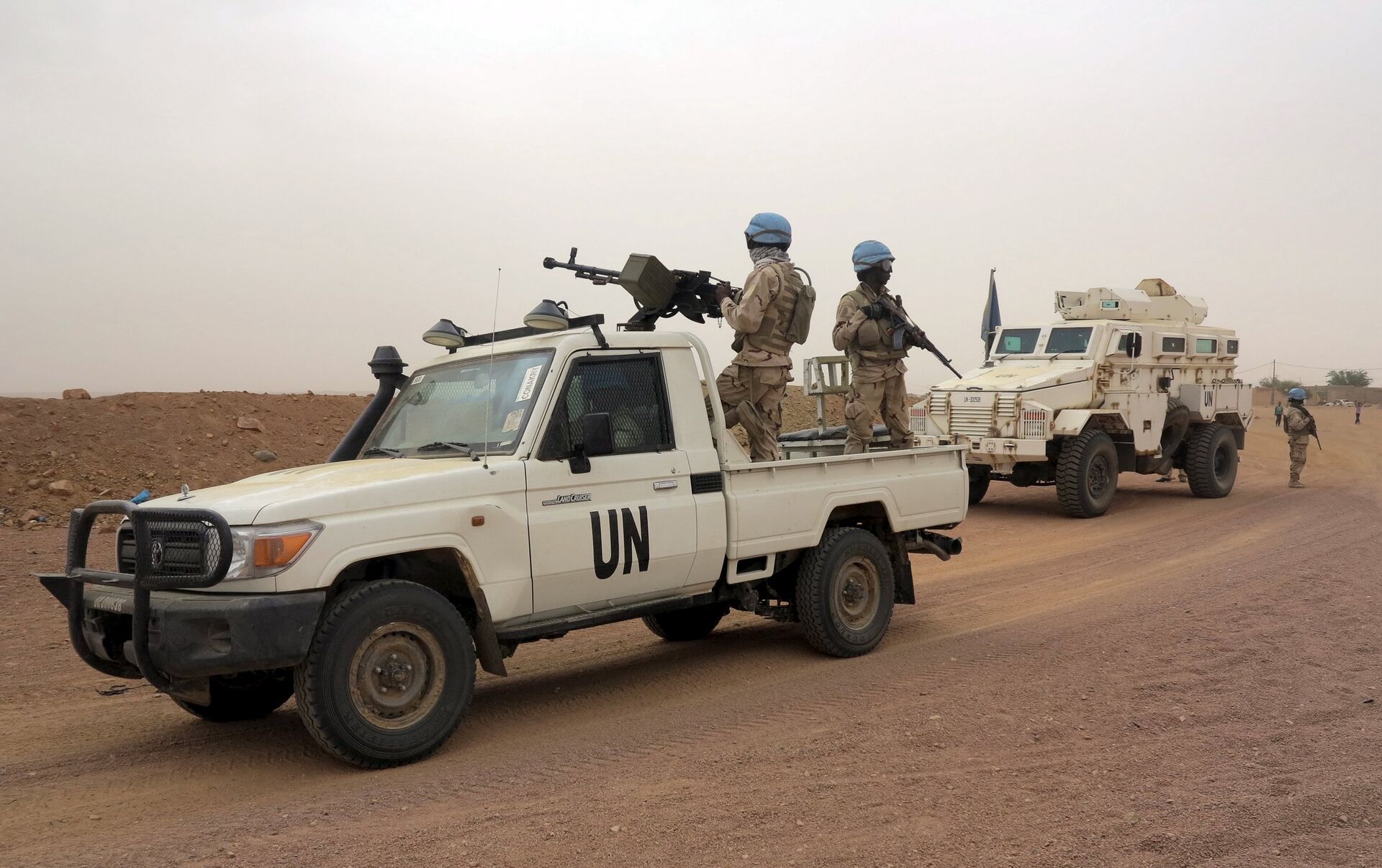
The ISF, mandated under Resolution 2803, faces a paradox. It is tasked with protecting civilians, training police, and facilitating the decommissioning of weapons—a role that straddles the line between neutral peacekeeping and active enforcement. This mandate creates significant political exposure for any nation willing to place soldiers between Israeli forces and Palestinian armed groups. Governments are currently weighing the risks of a mission that lacks finalized implementation guidelines and clear sequencing for Israeli withdrawal and Palestinian demilitarization.
Indonesia’s experience highlights the volatility of these commitments. Initially poised to contribute up to 8,000 troops, Jakarta eventually paused its participation, citing the lack of clear mandates and the potential for combat duties that conflicted with its strictly humanitarian stance. Meanwhile, smaller contributors like Kosovo, Albania, and Kazakhstan have offered specialized personnel, such as demining experts and staff officers. While these contributions provide technical utility, they do not offer the regional legitimacy that only the involvement of major Arab states—such as Saudi Arabia, Egypt, or the UAE—could provide.
Ultimately, the composition of the ISF acts as a barometer for the peace plan’s viability. Regional powers remain supportive of the diplomatic framework but are wary of the physical risks associated with enforcing it. Until the sequencing of disarmament and withdrawal is resolved, the force remains caught in a circular dilemma: governments are hesitant to deploy troops into a political vacuum, yet the transition cannot proceed without the security those troops are intended to provide. The success of the mission depends less on recruitment quotas and more on whether the international community believes the political conditions on the ground are stable enough to secure.



Comments (0)
No comments yet. Be the first!