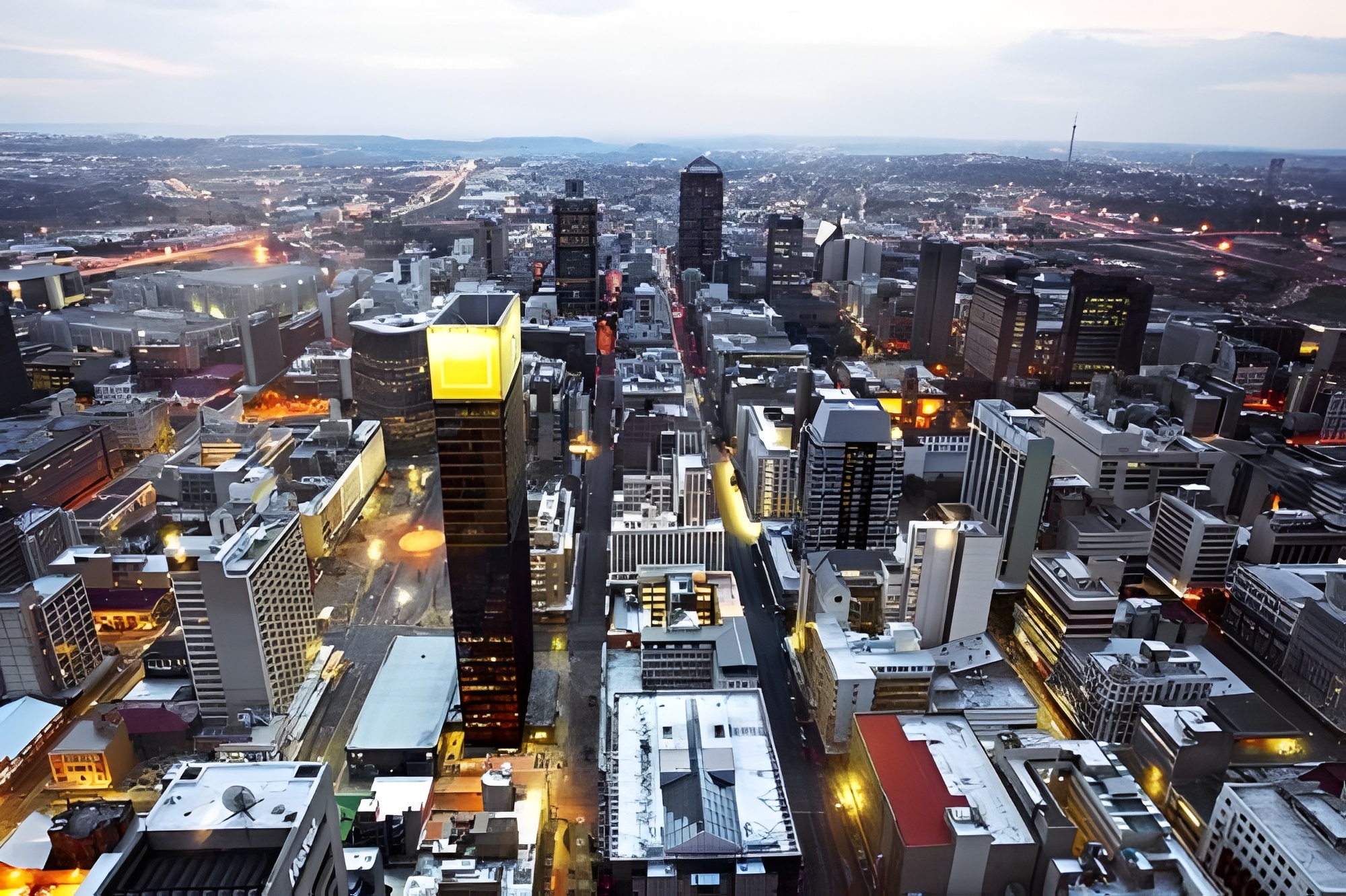
A study published in the journal Economies by Kazeem Abimbola Sanusi and Zandri Dickason-Koekemoer reveals a stark decline in the country's economic trajectory. Using data from 1960 to 2025, the researchers found that underlying trend growth, which once topped 5%, has shriveled to roughly 1.1%. This deterioration accelerated sharply after the 2008 global financial crisis, marking a shift that defies simple cyclical recovery.
The findings challenge the assumption that capital expenditure acts as a standalone catalyst for growth. Although investment is statistically linked to GDP, its predictive power falters when accounting for the economy's own inertia. In models where past growth is considered, the influence of investment drops significantly. This indicates that South Africa’s low-growth environment is deeply embedded, with weak capital formation acting as both a symptom and a conduit for persistent structural bottlenecks.
The Problem of Capital Effectiveness
Increased spending does not guarantee productive gains if the underlying environment remains hostile to business. Despite higher investment-to-GDP ratios in the post-crisis era compared to earlier decades, growth continued to slide. Factors such as persistent electricity shortages, crumbling freight logistics, and policy uncertainty stifle the returns on capital. The researchers argue that without fixing these foundational constraints, scaling up investment will merely replicate low-productivity outcomes at a higher cost. For policymakers, the focus must shift from the quantity of capital to the quality of its deployment—prioritizing infrastructure that lowers system-wide costs and restores reliability.



Comments (0)
No comments yet. Be the first!