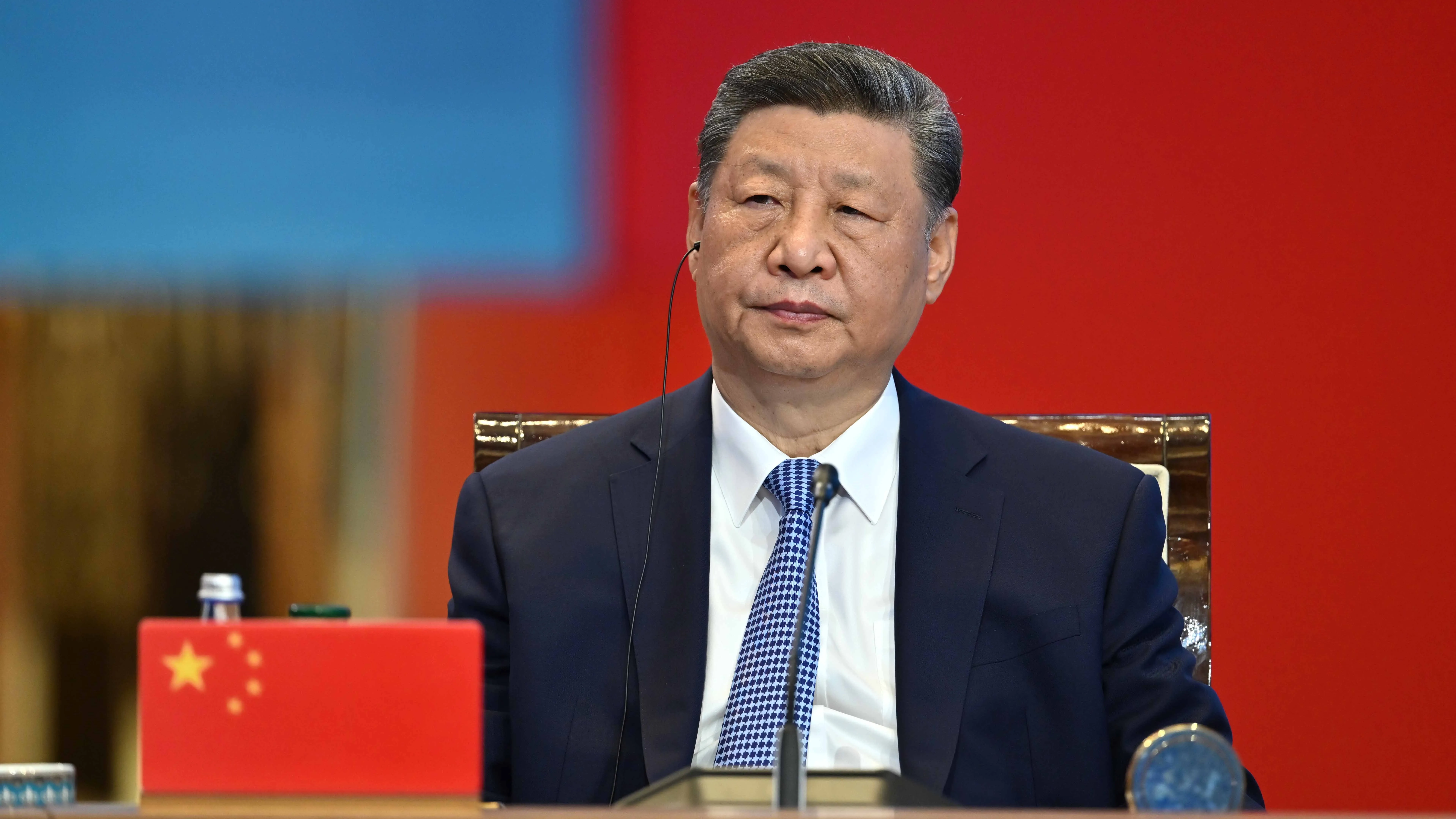
The People’s Bank of China is currently executing a dual-track strategy to bolster its geopolitical position. By narrowing the gap between its daily fix and market expectations, Beijing is signaling strength without formal policy shifts. Simultaneously, the Shanghai Clearing House has integrated the Singapore dollar, New Zealand dollar, and Thai baht into its central-clearing system. While current volumes remain modest, this expansion deepens Beijing’s financial plumbing across Belt and Road trade corridors, allowing nations to settle transactions in yuan while bypassing the dollar.
This currency appreciation is not a move toward liberalization, as household capital controls remain strictly capped at $50,000 annually. Instead, the strategy serves a dual purpose: it presents a stable, usable currency to Washington negotiators while masking a more aggressive shift in the Belt and Road Initiative. Treasury Secretary Scott Bessent recently noted that the initiative has transitioned from a lending operation to a collection phase, utilizing opaque tolling agreements and confidentiality clauses to secure leverage over indebted nations. This dual-track approach ensures that Beijing retains structural influence over the Global South, regardless of the summit's outcome.
The durability of this détente will be tested on November 10, 2026, when Beijing’s current suspension of expanded rare-earth export controls expires. A quiet extension would signal a genuine commitment to post-summit stability, whereas a lapse would reveal the currency strength as mere theater, confirming that Beijing’s true leverage remains anchored in its control over critical supply chains.



Comments (0)
No comments yet. Be the first!