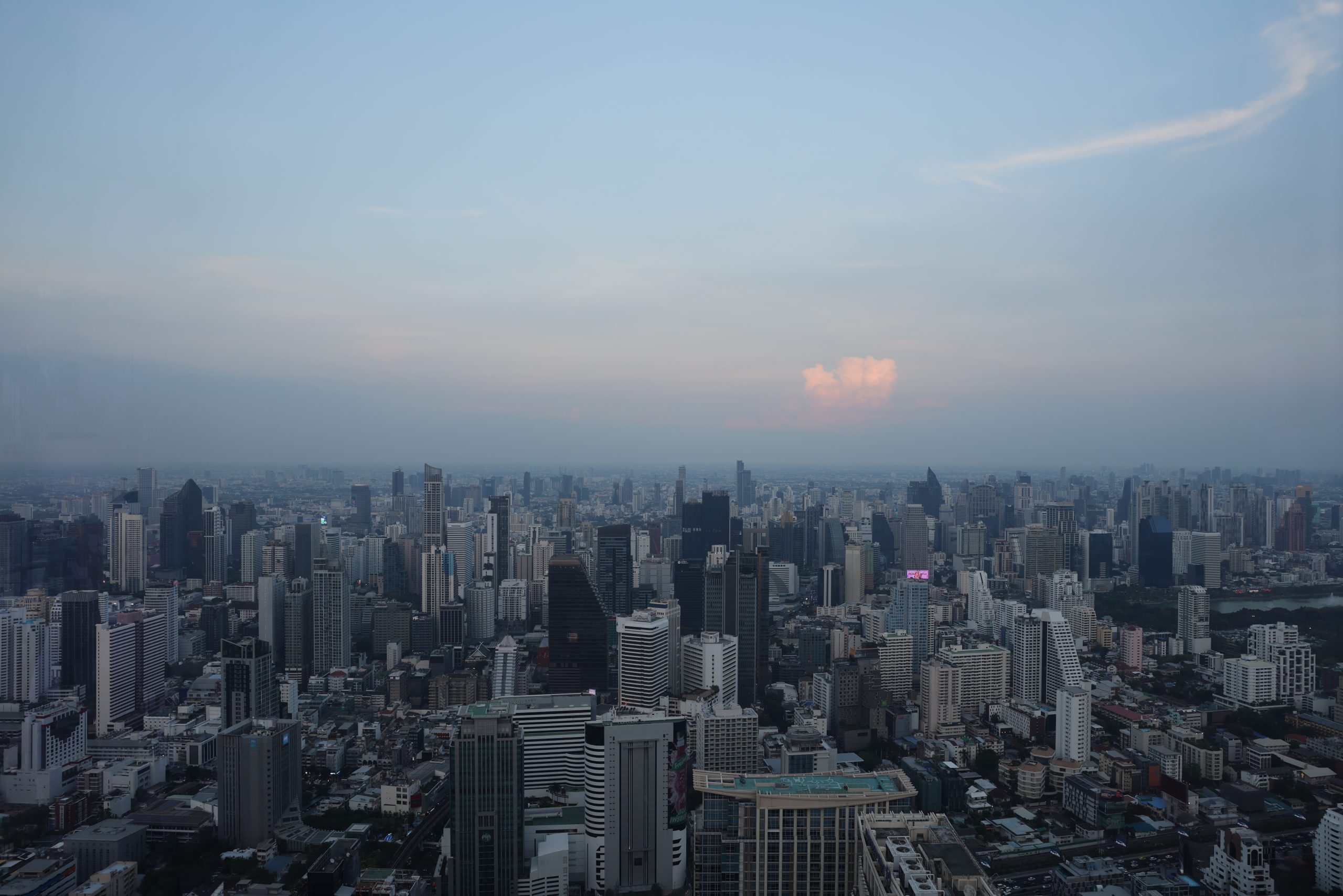
The World Bank report, Thailand Cities of the Future, suggests that the country’s path to prosperity requires a shift in how urban centers function. While Bangkok remains a vital national anchor, its growth is currently hampered by infrastructure bottlenecks and congestion that cost up to 10 percent of its Gross Regional Product annually. Rather than attempting to weaken the capital, the strategy hinges on enabling secondary cities to cultivate specialized economic roles that complement rather than replicate Bangkok’s industrial base.
Scaling Regional Productivity
Transitioning to a high-income economy demands an annual GDP per capita growth of 5.4 percent over the next decade. Achieving this requires more than just pouring concrete into new roads or industrial estates; it necessitates institutional reform that coordinates land use, transport, and private investment. If secondary cities can sharpen their specific economic advantages while maintaining strong connectivity, they can absorb a larger share of the national workforce and capital. Success depends on whether authorities can move away from fragmented, project-based spending toward an integrated model that prioritizes the economic productivity of urban clusters. Ultimately, the ability to turn localized growth into a national asset will define whether Thailand meets its 2037 deadline or remains trapped by the inefficiencies of an over-centralized urban system.



Comments (0)
No comments yet. Be the first!