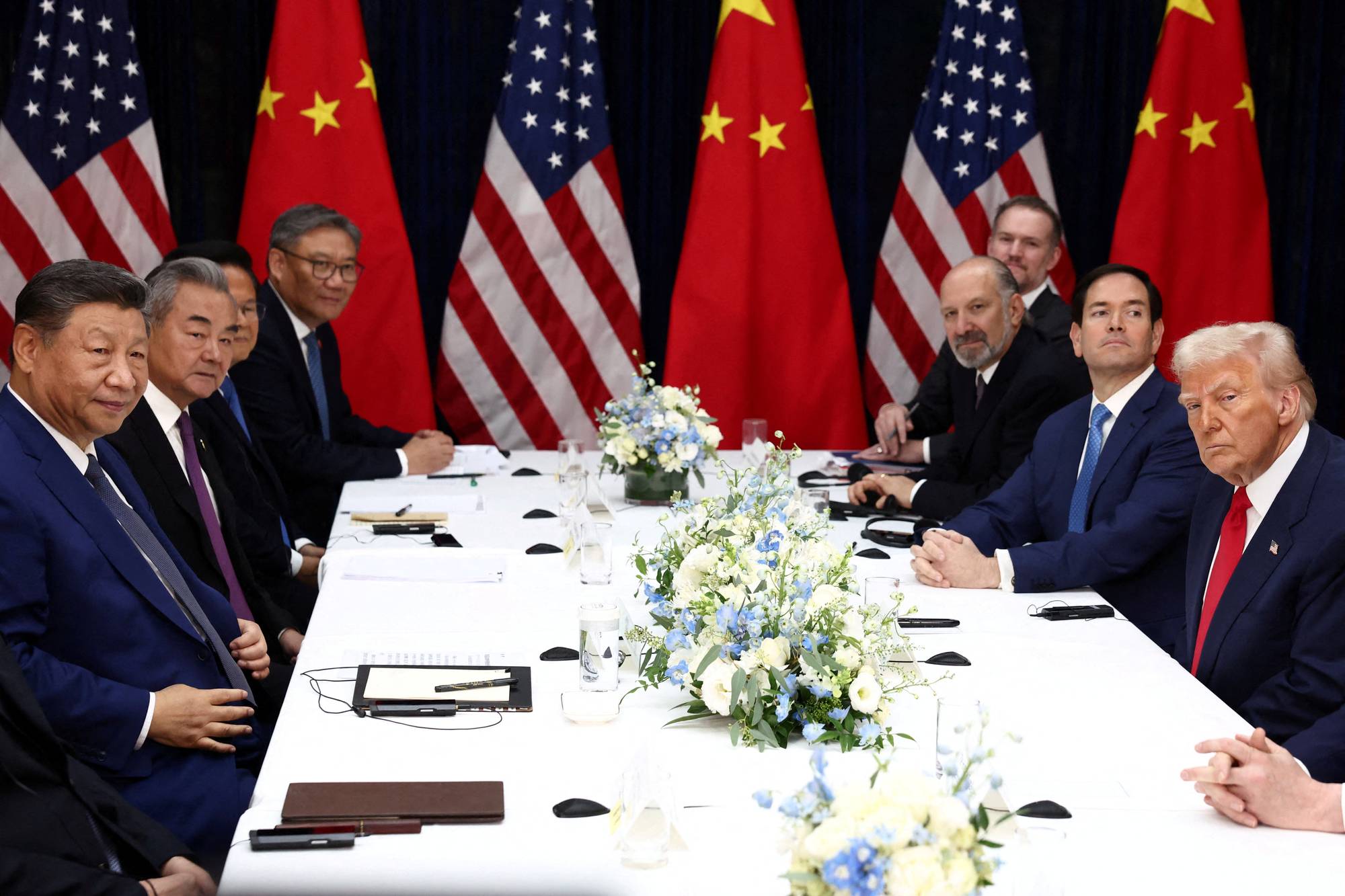
China currently dominates the sector, controlling roughly 70% of global rare earth mining, 85% of refining capacity, and 90% of magnet production, according to AlixPartners. These minerals, including yttrium and dysprosium, are the backbone of the American automotive, semiconductor, and defense industries. The administration is acutely aware that any push for new, sweeping tariffs could trigger retaliatory export bans, a tactic Beijing employed effectively last year to disrupt global supply chains.
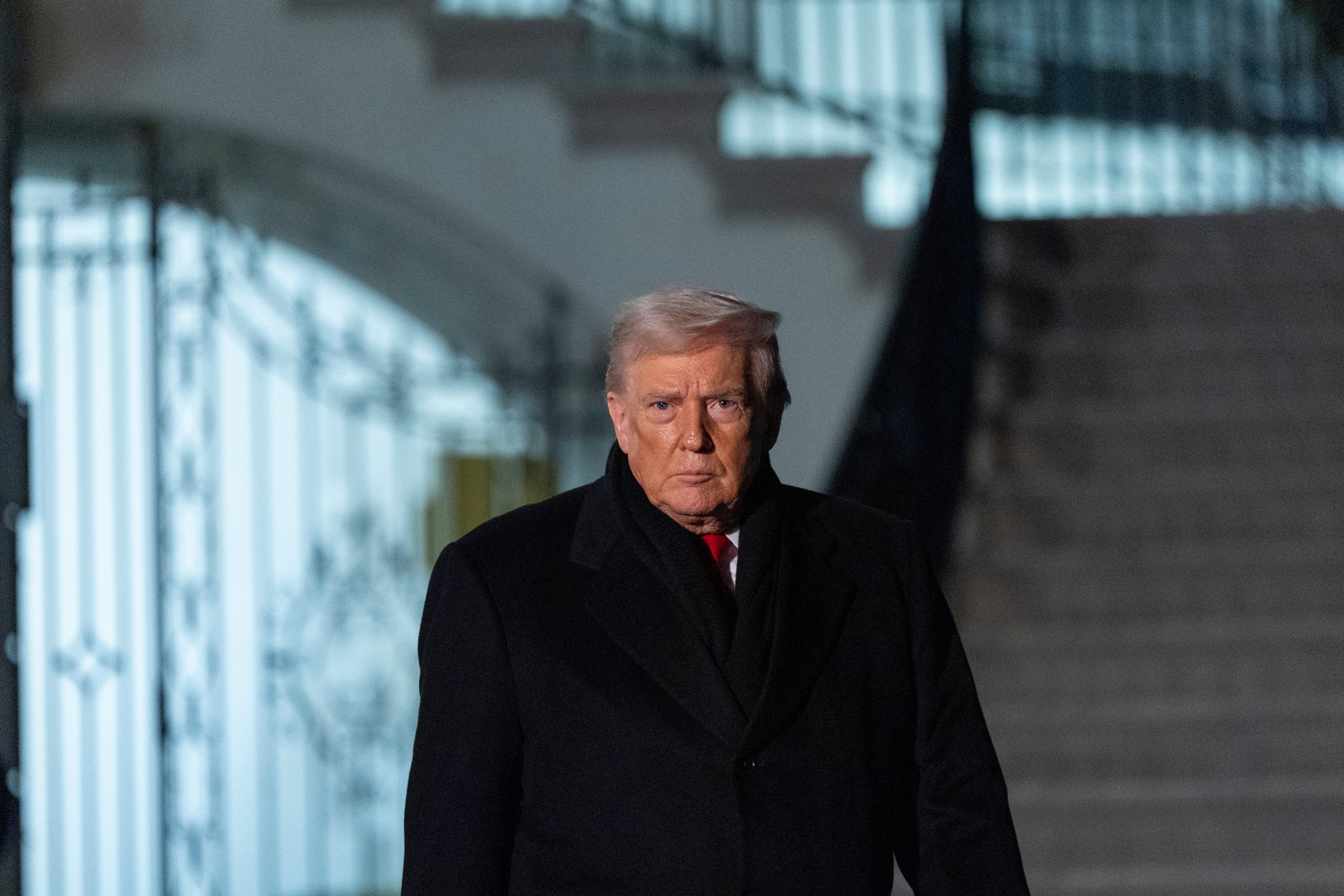
Former trade officials note that the White House now operates with a heightened sense of vulnerability. While the administration continues to target specific Chinese firms for alleged military links or human rights abuses, these actions remain measured. Unlike previous summits, there are no threats of massive new tariffs. Instead, the focus has shifted toward a fragile stability, as Washington realizes its own strategic industries remain hostage to the current lack of alternative processing capacity. Developing these domestic supply chains requires immense investment and years of infrastructure growth, leaving the US with little choice but to manage tensions rather than escalate them. For now, the goal is to prevent a new cycle of retaliation while the administration seeks more secure, long-term access to critical materials.


Comments (0)
No comments yet. Be the first!