
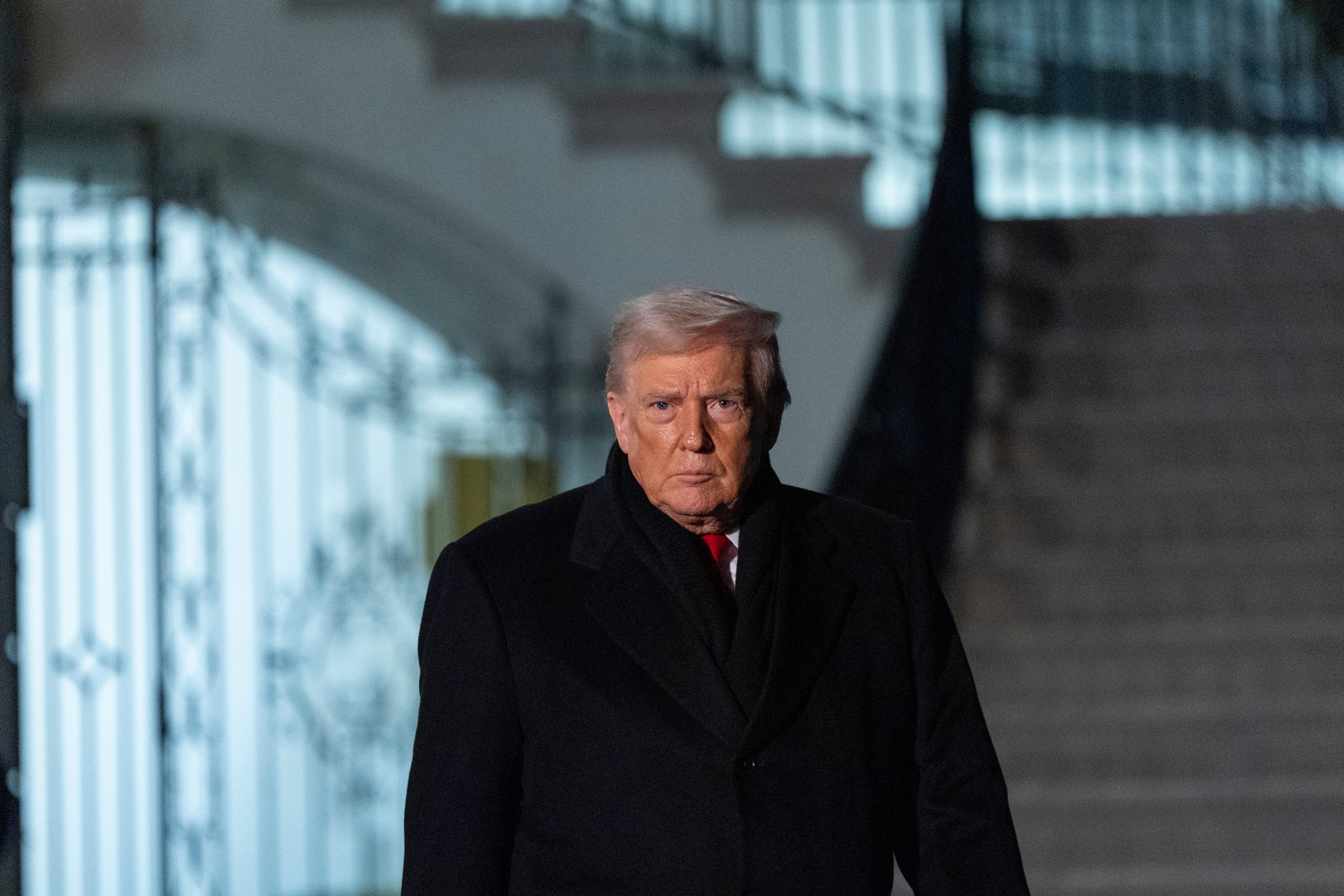
Danish Foreign Minister Lars Lokke Rasmussen confirmed the agreement will move responsibility for Arctic security beyond the current bilateral arrangement between Copenhagen and Washington. By integrating a larger NATO role, officials hope to stabilize a region where competition for influence has intensified. The agreement follows months of diplomatic friction spurred by Donald Trump’s public assertions that the deal grants the United States "permanent control" over the territory's security and infrastructure.
Copenhagen and Nuuk have pointedly declined to endorse Trump's framing, maintaining that the pact respects Greenland’s autonomy within the Kingdom of Denmark. Despite the public disagreement, the document is viewed as a necessary evolution for a region where Denmark admits to decades of underinvestment. While the specific legal updates to the 1951 US-Denmark defence agreement remain classified, the shift signals an attempt to replace unilateral American pressure with a multilateral security canopy. For Greenland, navigating this transition is a delicate exercise in balancing its strategic value between North America and Europe while preserving its push for long-term independence.
Comments (0)
No comments yet. Be the first!