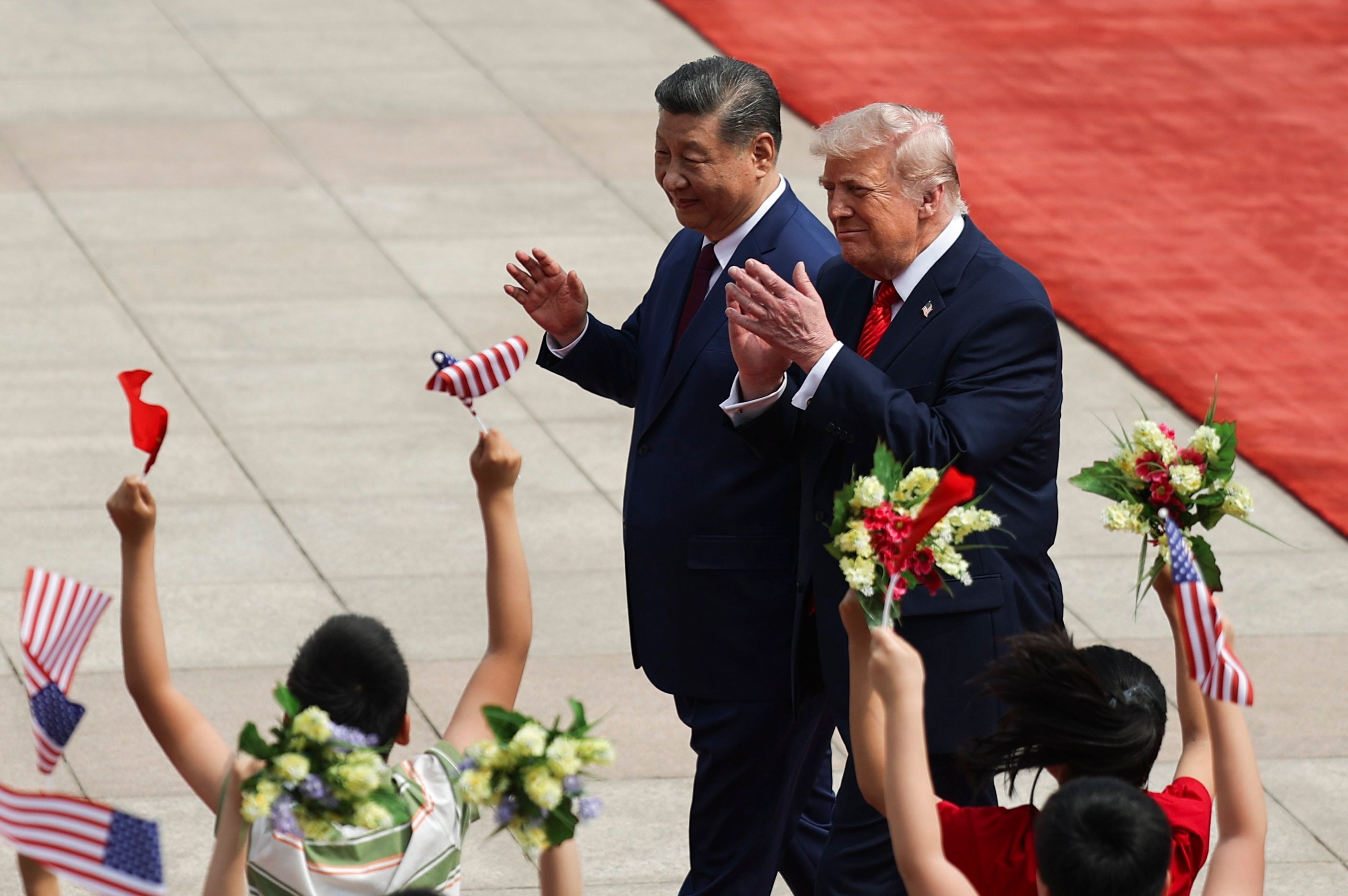
The September 24 meeting is expected to focus on extending the trade truce established last year, an arrangement analysts suggest favors Xi’s long-term strategy of building domestic resilience. Despite Trump’s earlier vows to use aggressive tariffs to bridge trade imbalances, the reality remains that over half of the 6,500 product categories China exports to the U.S. have seen growth compared to 2025. Scott Kennedy of the CSIS noted that the administration’s attempt to force concessions through unilateral pressure has largely stalled, leaving Beijing to effectively dictate the pace of the relationship.
Taiwan remains the most volatile variable on the agenda. With Trump labeling a $14 billion arms package for the island a potential "negotiating chip," allies in Tokyo and Taipei fear the U.S. president might trade support for the island in exchange for agricultural purchases or cooperation on the fentanyl crisis. Meanwhile, Washington is looking to Xi to leverage his influence over Iran to de-escalate a war that has severely hampered Trump’s political standing. However, Beijing has shown little appetite for such intervention, maintaining steady trade ties with Tehran while prioritizing its own economic stability over the demands of the White House.




Comments (0)
No comments yet. Be the first!