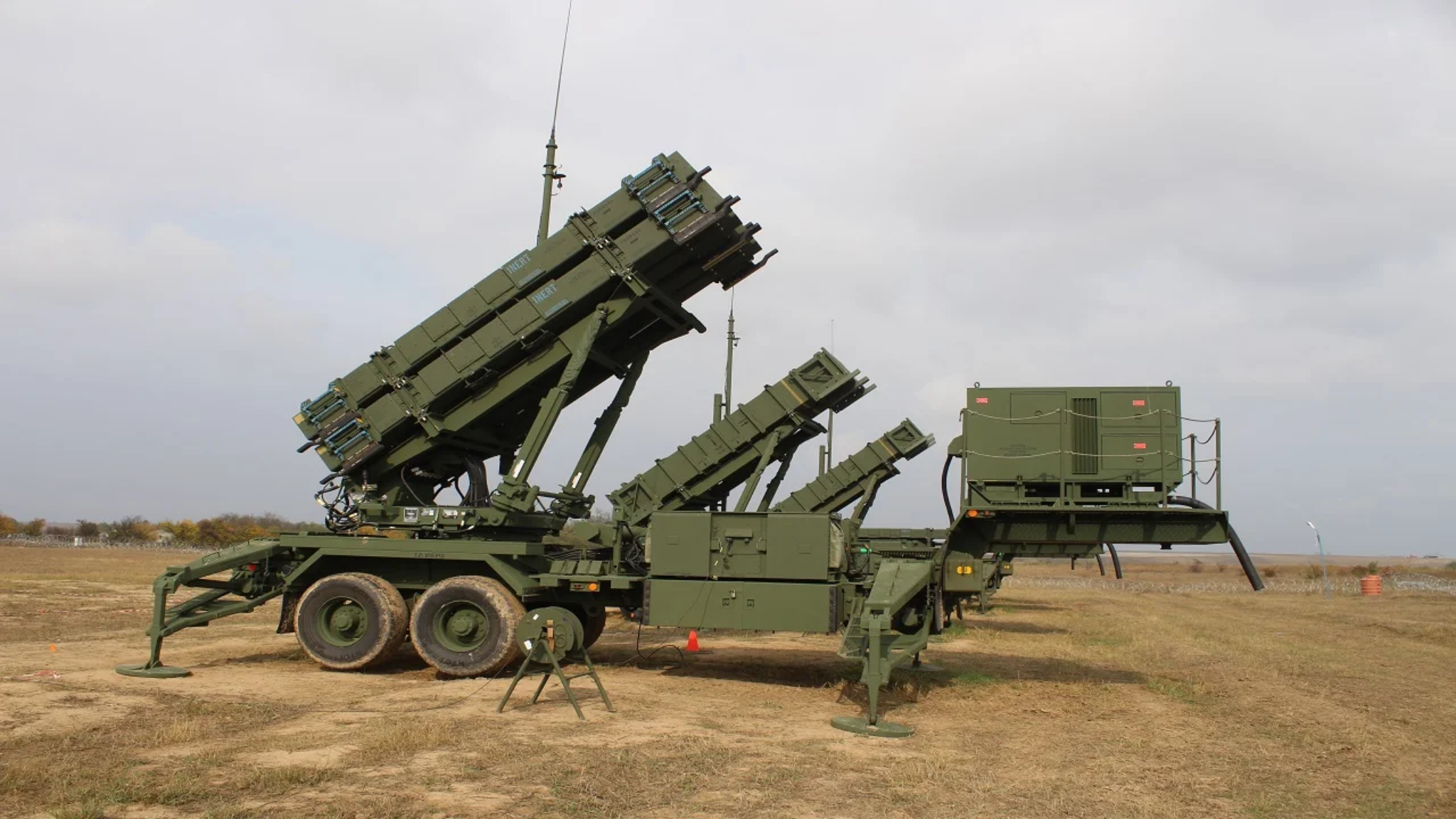
The Pentagon’s latest report to Congress confirms that munitions expenditures have created strategic inventory shortfalls, with the U.S. having exhausted roughly 65% of its Patriot interceptor stock. Beyond the loss of hardware, including dozens of aircraft and damage to installations across eight nations, the war has forced a dangerous reallocation of assets. The shifting of the USS George Washington from the Pacific to the Middle East highlights the mounting opportunity costs, as Washington struggles to balance its Gulf commitments against the necessity of deterring rivals in the Indo-Pacific.
The Erosion of Strategic Resilience
Infrastructure once intended to buffer the U.S. against global shocks is also failing. The Strategic Petroleum Reserve has hit its lowest levels since 1983, with federal auditors warning that further withdrawals risk permanent damage to storage caverns. Meanwhile, public support for the war has plummeted to 31%, as the administration’s shifting objectives and erratic signaling leave both the American public and regional partners struggling to discern a coherent end-game. With the U.S. military model visibly straining, the core question is not just how the current campaign concludes, but whether Washington retains the necessary margin to respond to a secondary crisis while its industrial base and force posture remain in a state of depletion.



Comments (0)
No comments yet. Be the first!