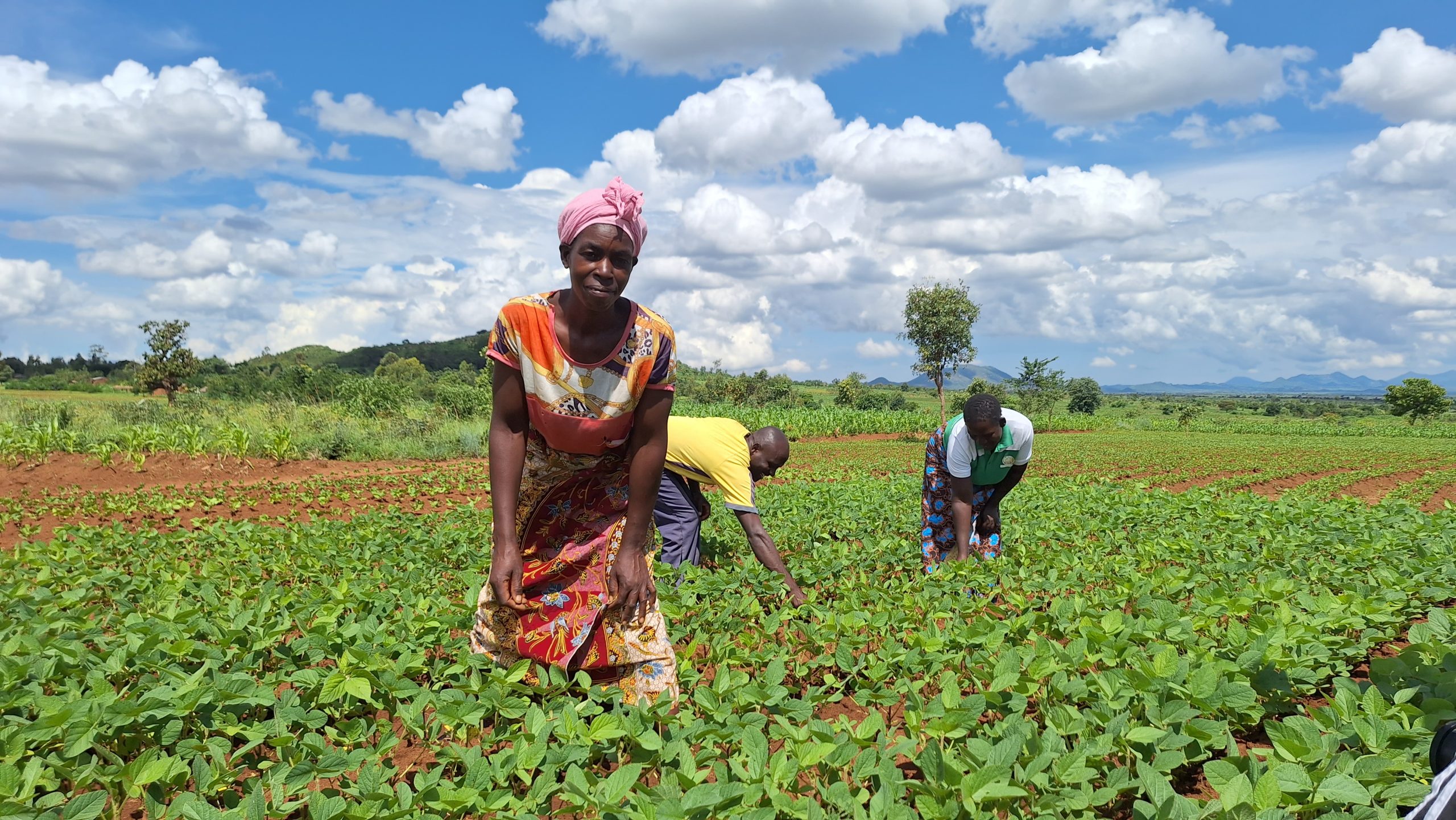
Launched in 2012, the Productive Social Action Program (PASP) has reached over 300,000 residents across 11 provinces. By pairing direct cash transfers with skills training and public works—such as riverbank restoration and infrastructure repair—the initiative addresses immediate poverty while hardening communities against climate-driven disasters. Participants like Rosa Soalê Alte have leveraged these reliable earnings to secure essential household assets, ranging from durable roofing materials to educational supplies for their grandchildren.
Financial inclusion serves as a critical pillar of this model, with over 200,000 electronic accounts now replacing cumbersome, long-distance cash collection. This shift grants participants access to formal banking, fostering long-term stability. The program’s impact persists long after direct support concludes; in Sofala Province, beneficiaries utilize skills like brick-making to construct weather-resistant homes, while farming collectives in the Unidade Africana neighborhood produced 14 tonnes of produce in 2025 alone. By facilitating these transitions into entrepreneurship and sustainable agriculture, the government and the World Bank are moving beyond temporary aid toward lasting economic security.




Comments (0)
No comments yet. Be the first!