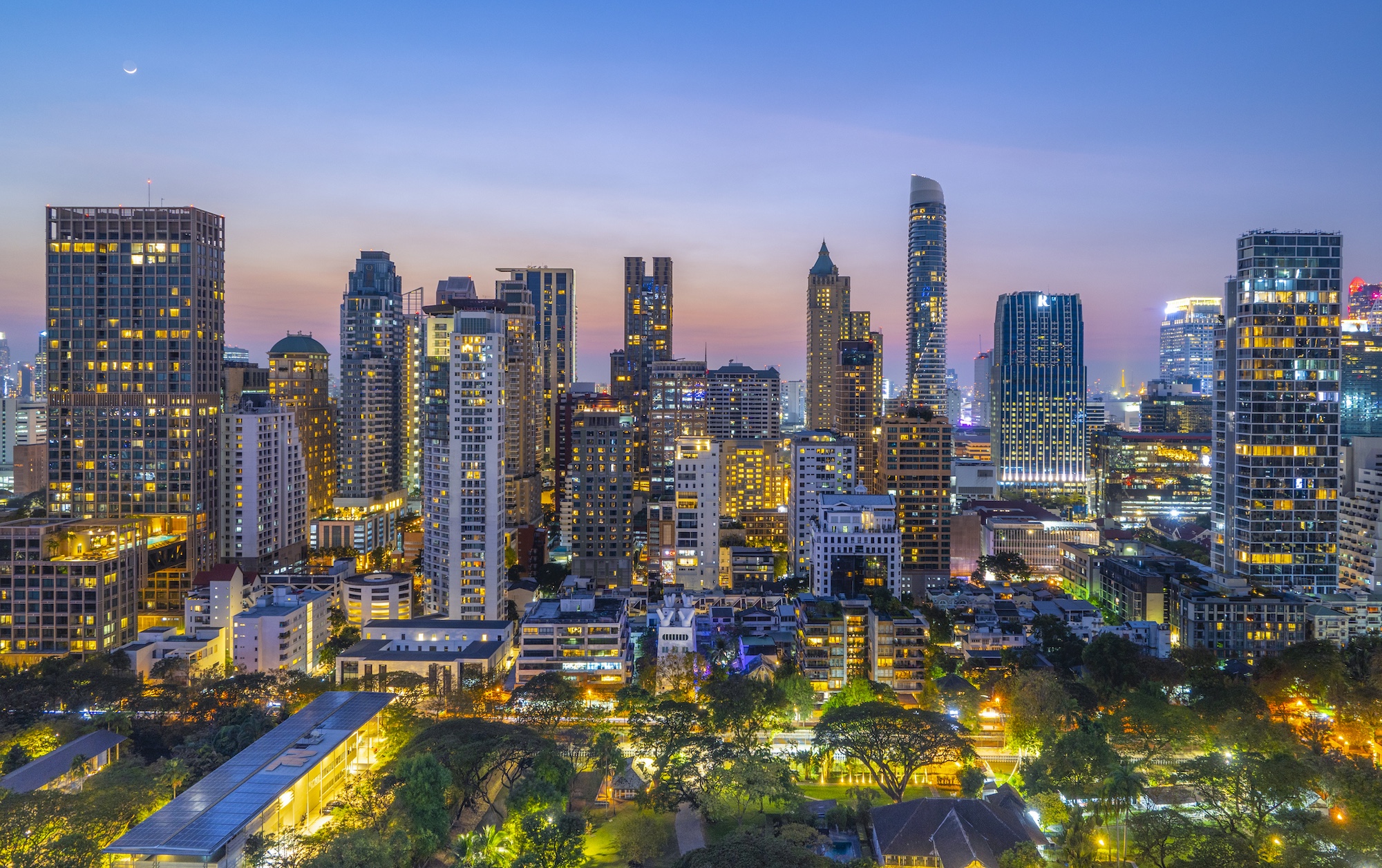
The report, Thailand Cities of the Future, highlights that real GDP per person grew by only 2.2 percent annually between 2021 and 2024, falling well short of the 5.4 percent required to hit 2037 objectives. Bangkok currently acts as the primary economic engine, producing half of the nation's output, yet infrastructure constraints—specifically traffic congestion—cost the capital up to 10 percent of its gross regional product annually.
Economic modeling of 75 urban centers suggests that Thailand must move beyond treating cities as isolated hubs. Instead, the country needs a coordinated investment strategy that balances Bangkok's dominance with the development of secondary cities. The analysis indicates that once investment reaches a critical threshold, spreading resources across a network of specialized urban centers becomes more effective than doubling down on the capital alone.
Building this system requires five core pillars: complementary specialization, productive density, reliable market connectivity, climate-resilient infrastructure, and robust local governance. By strengthening Bangkok as an international anchor while simultaneously fostering specialized industries in secondary hubs, Thailand aims to create a resilient platform capable of supporting advanced manufacturing, digital services, and creative sectors. Success depends on whether the government can shift from fragmented funding to targeted, large-scale investments that integrate urban planning with institutional reform.




Comments (0)
No comments yet. Be the first!