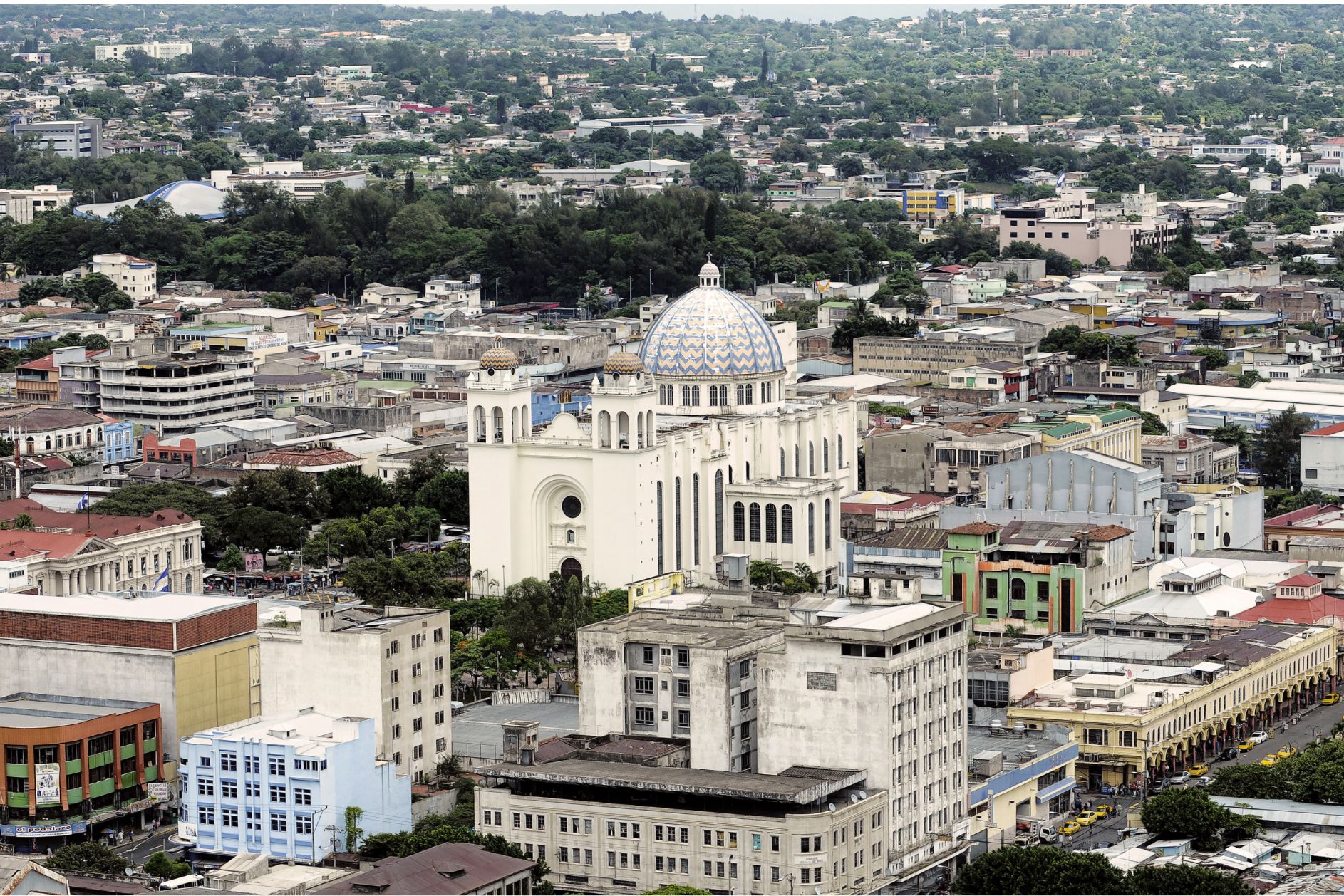
The project centers on a new Economic Census designed to capture the realities of informal enterprises that currently remain absent from official records. By mapping where these businesses operate and identifying the sectors sustaining the most livelihoods, the government hopes to transition from broad national averages to targeted interventions in taxation, social protection, and credit access. This data-driven approach could reveal regional disparities, allowing authorities to direct infrastructure and digital connectivity to municipalities that have long been underserved.
Success hinges on overcoming a significant trust deficit. Business owners, fearing tax repercussions or regulatory enforcement, may be hesitant to disclose their activities. If participation remains low, the initiative risks cementing the very blind spots it intends to resolve. Beyond data collection, the program faces the challenge of long-term sustainability; once the four-year funding window closes, El Salvador must retain the technical capacity and institutional will to keep its statistical systems modernized and relevant. For investors and developers, the results could provide a clearer map of market opportunities and supply chains, provided the findings are released promptly and in formats accessible to the broader public.




Comments (0)
No comments yet. Be the first!