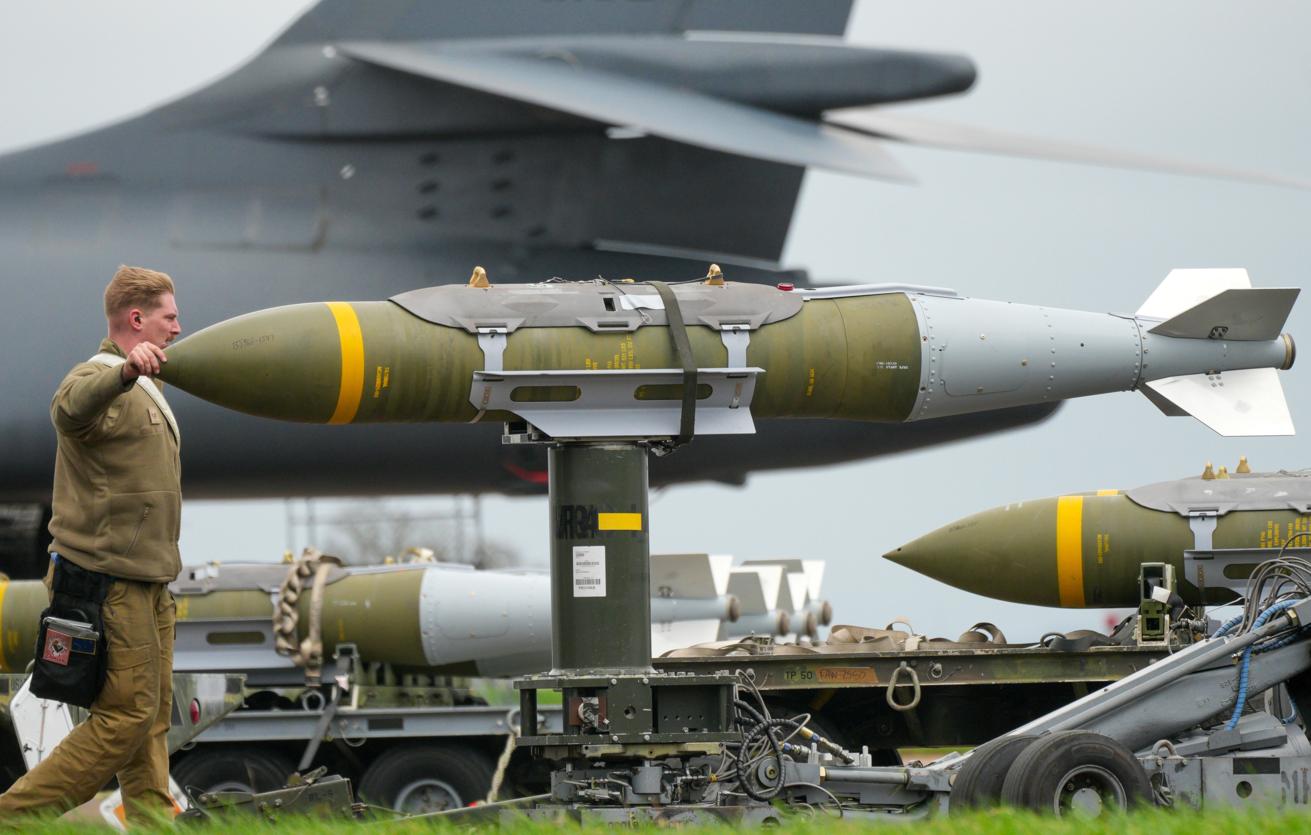
The new estimate reveals a rapid acceleration in spending, with munitions costs alone jumping by $6.4 billion in just over a month. While the Congressional Budget Office had previously pegged the total cost at $38 billion through August 1, the new data underscores the intensity of operations, which continue to drain resources at a rate of approximately $3 billion monthly. These figures cover the operational costs of warships, aircraft, and medical support for troops, though they notably exclude the extensive damage inflicted by Iranian ballistic missiles and drone strikes on U.S. bases across the Middle East.
Defense Secretary Pete Hegseth is currently lobbying Congress to approve a $1.5 trillion military budget, framing the expenditure as a necessary investment in domestic manufacturing and national defense. However, Democratic senators are pushing back, demanding a transparent accounting of the war's financial and human cost. With 18 U.S. service members killed and over 830 wounded, the political stakes are rising ahead of the midterm elections. Beyond the budgetary strain, the conflict has created a critical shortage of defensive interceptors, leaving both U.S. stockpiles and NATO allies vulnerable as they struggle to replenish systems like the Patriot and THAAD.


Comments (0)
No comments yet. Be the first!