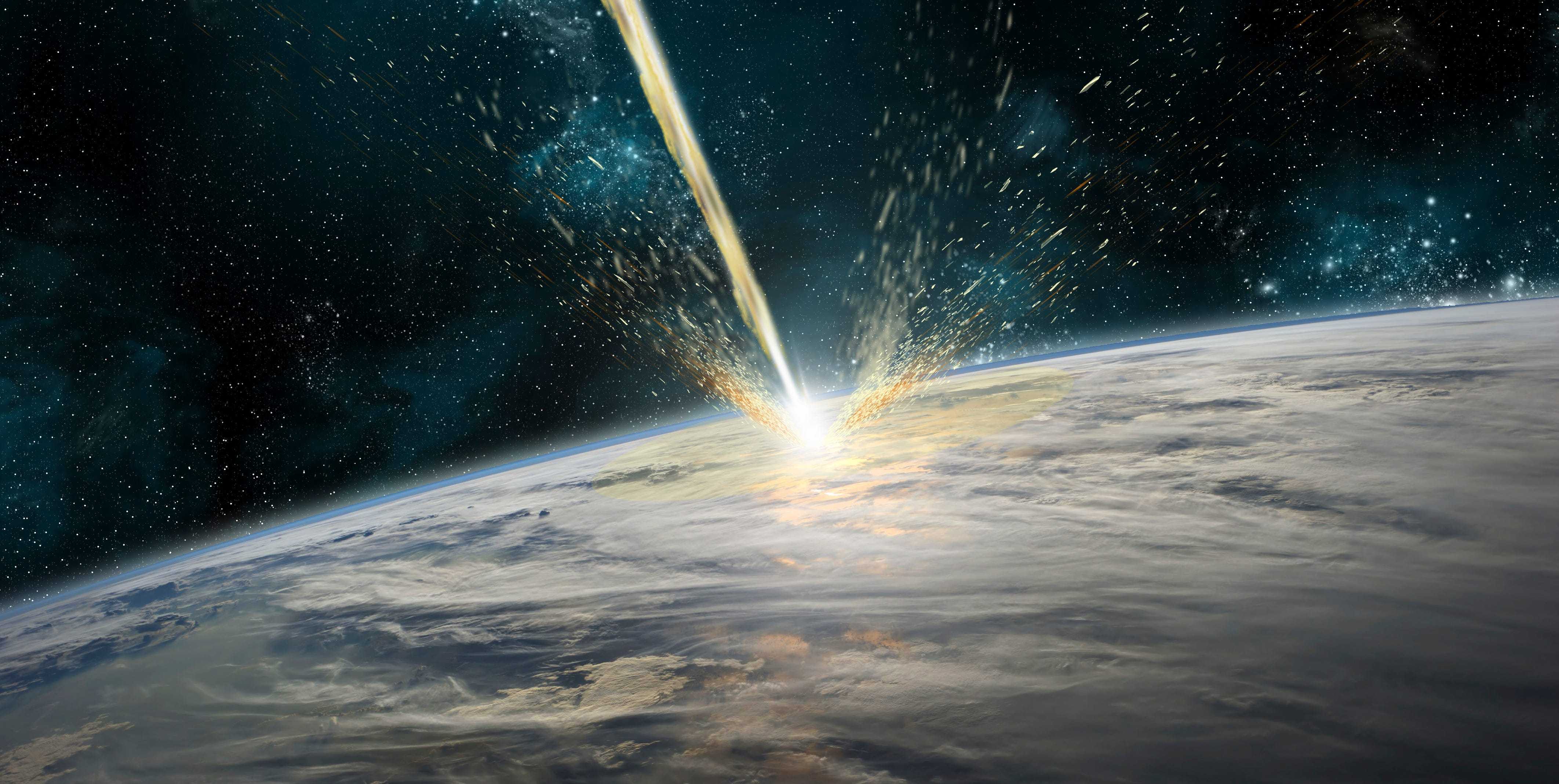
The study, published in Scientific Reports, examined whether carbon-rich comets could survive the high-pressure, high-temperature conditions of a planetary collision. Lead author Dr. Richard Anslow of the Institute of Astronomy noted that while the romantic notion of space-borne delivery has long persisted, the physics of such impacts makes successful transport highly improbable. According to the findings, the heat generated upon entry and impact would destroy fragile organic components rather than preserve them.
Researchers now argue that the delivery of life-sustaining ingredients was not a steady process, but perhaps a one-in-a-million fluke that required perfect conditions of velocity and angle. With the comet hypothesis faltering, the scientific focus is shifting toward alternative origins. Experts are reconsidering the potential for life's building blocks to have formed in situ or arrived via asteroid impacts, which generally occurred at lower speeds and were less destructive than their icy counterparts. The team also evaluated Mars, concluding that if comets failed to seed Earth, they were equally unlikely to have successfully jumpstarted life on the Red Planet.




Comments (0)
No comments yet. Be the first!