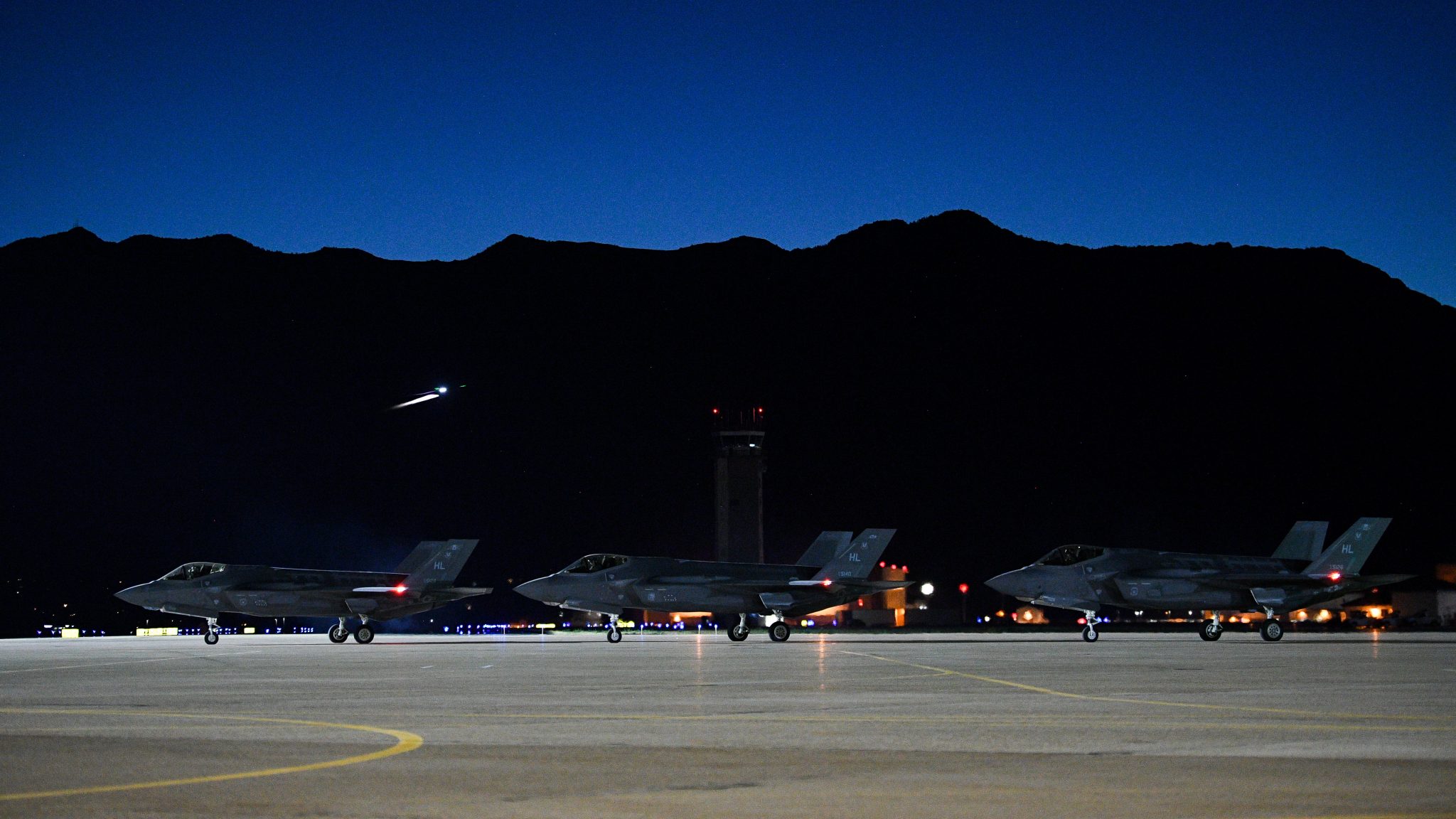
The forensic record of this conflict paints a picture of methodical attrition. Iranian forces have prioritized blinding U.S. defensive shields, destroying a $500 million radar installation in Jordan and severely damaging a $1.1 billion system in Qatar. Only after neutralizing these early-warning capabilities did the strikes shift toward aircraft hangars, fuel depots, and troop housing. Ali Al Salem Air Base in Kuwait, hit at least 30 times, serves as a grim case study in the failure of the current basing architecture.
The Cost of Perpetual Vulnerability
Direct war costs exceeded $38 billion by August, a figure that excludes the massive price tag for repairing or replacing destroyed infrastructure. Despite this, U.S. Central Command continues to withhold comprehensive damage reports, citing operational security. This information vacuum prevents any meaningful congressional oversight or public debate regarding a strategy that currently functions as a subscription service for perpetual vulnerability. By anchoring forces in static, high-profile locations, the military has transformed its most advanced hardware into a target-rich environment for a low-cost adversary.
This cycle of attack and costly reconstruction benefits defense contractors while imposing a mounting burden on the soldiers stationed in these exposed outposts. As the midterm elections approach, the absence of a rigorous public inquiry into this strategic model suggests that the current military footprint is being maintained not for security, but by inertia. If a billion-dollar radar system can be rendered inoperable by a volley of cheap drones, the definition of American power in the region requires an immediate, transparent, and fundamental reassessment.



Comments (0)
No comments yet. Be the first!