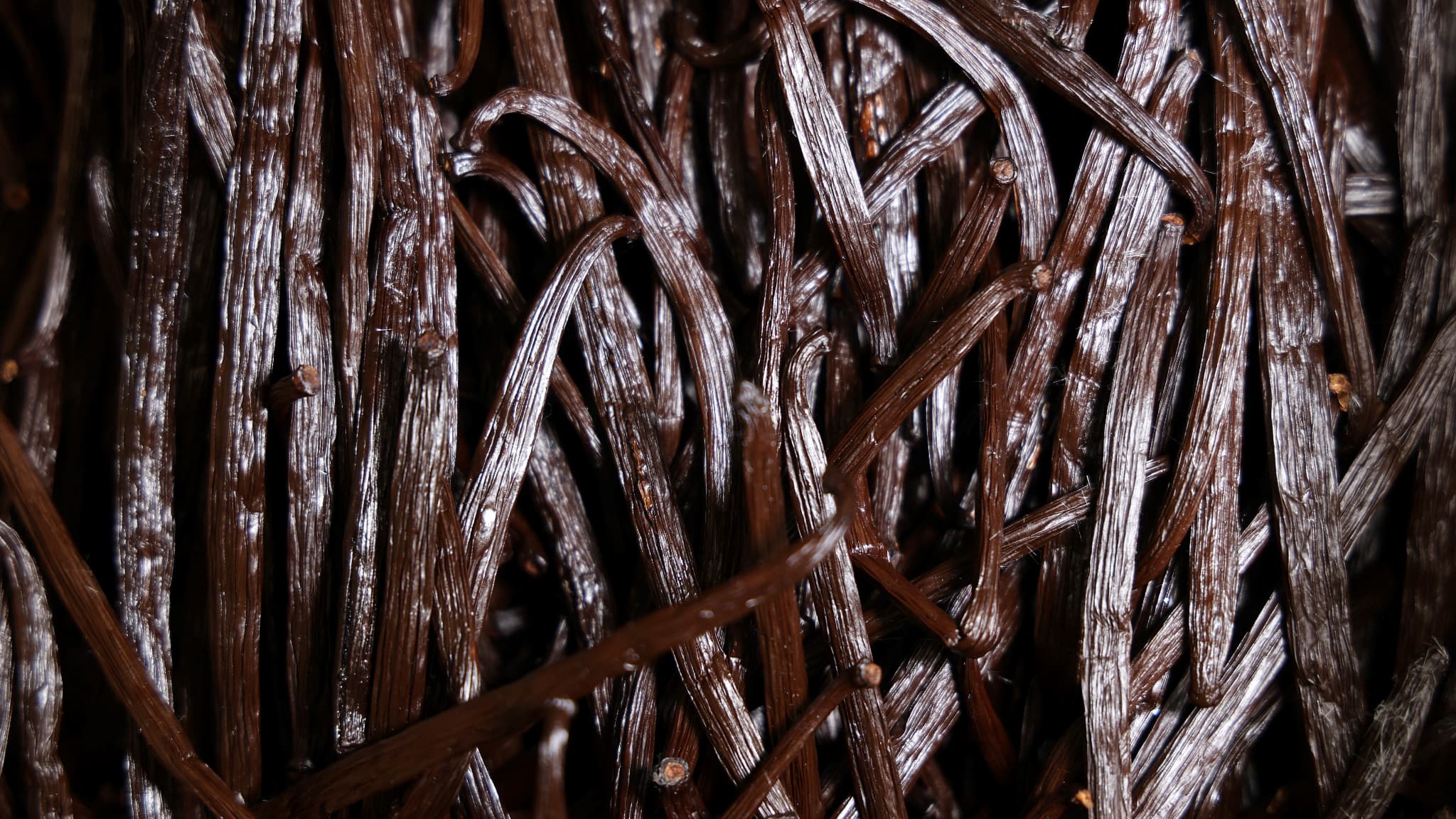
The country’s approach to vanilla is defined by its agroforestry integration and minimal reliance on synthetic inputs. While these practices align with global demand for sustainable, natural ingredients, the current lack of dedicated processors and consistent trading partners suppresses farmer incentives. To bridge this gap, the ILO proposes a three-phase roadmap aimed at shifting vanilla from a secondary crop to a professionalized agricultural pillar.
The initial focus centers on technical proficiency, specifically vine management and manual pollination. By pairing farmer education with improved local nurseries and data collection, the plan seeks to stabilize output quality. This foundation is designed to support the second phase, which prioritizes the formation of cooperatives. By organizing, producers gain the leverage necessary to navigate a market currently dominated by a handful of buyers, potentially securing the financing and certifications required for international trade.
The final phase targets domestic value-added production. By processing vanilla into extracts and secondary goods locally rather than exporting raw product, Timor-Leste aims to capture more revenue and create diverse job opportunities. Simrin Singh, ILO Country Director for Indonesia and Timor-Leste, emphasized that this growth must be coupled with improved labor standards. Addressing risks such as physical strain and chemical exposure is essential to ensuring that the industry’s expansion leads to safer, more reliable livelihoods for rural households, particularly for the women and young people expected to drive the sector forward.



Comments (0)
No comments yet. Be the first!