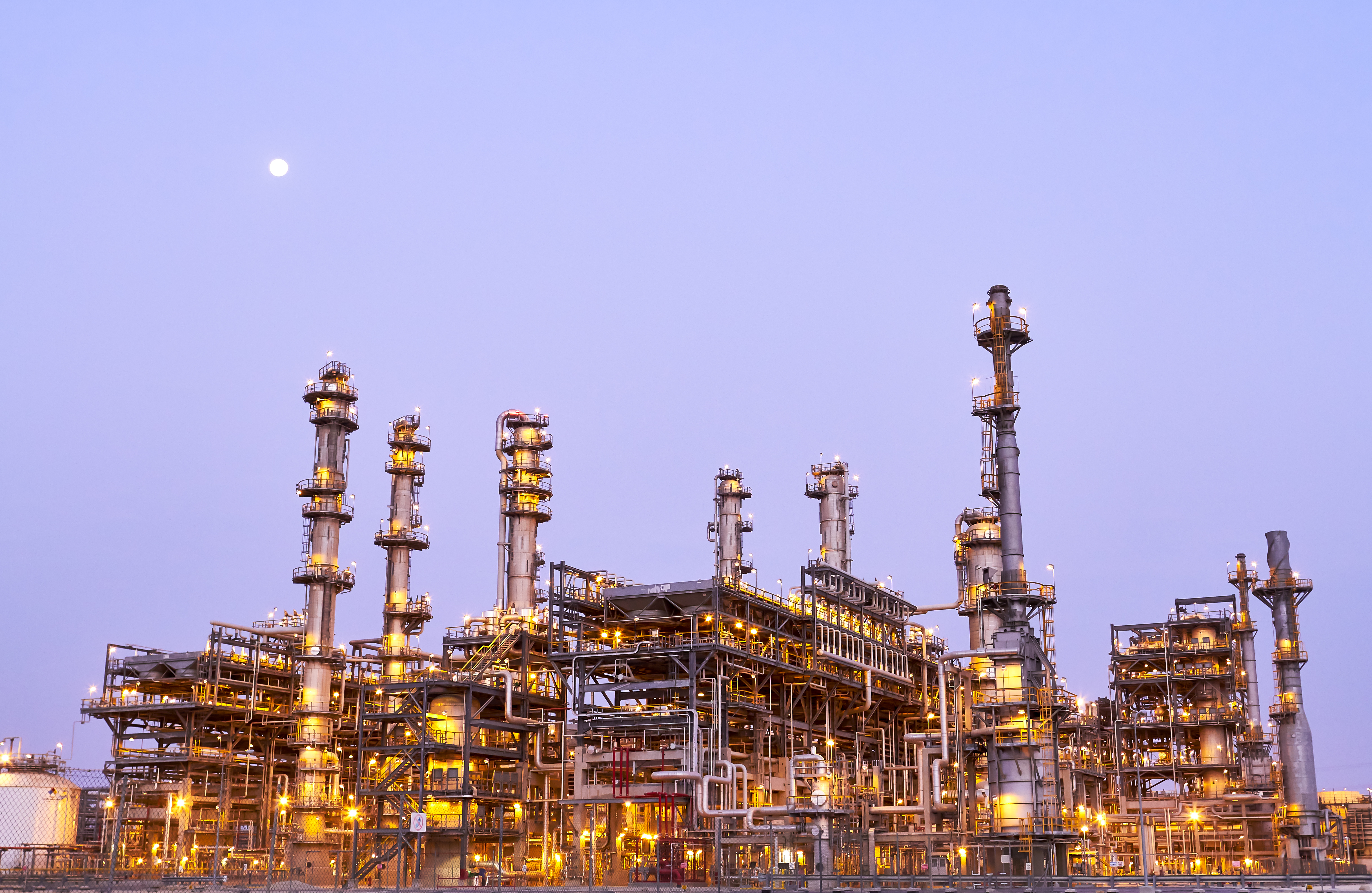
Since the onset of the Gulf war, Europe’s regional influence has fractured. Once an indispensable mediator for Iranian affairs, the EU has seen its diplomatic standing collapse following the E3’s move toward a pressure campaign and the exclusion of European powers from key US–Iran negotiations. In this vacuum, Europe has pivoted to protecting critical energy flows, extending Operation Aspides and coordinating naval efforts with the Saudi-led Multinational Maritime Defence Coalition. This shift is driven by stark economic necessity: with Russia’s diesel exports stalled, the EU relies on Gulf producers for 40 percent of its non-EU diesel imports.
However, this custodianship carries hidden costs. By aligning its naval assets with regional powers, Europe has effectively abandoned its posture of neutrality, narrowing its path to future mediation. Furthermore, the partnership is increasingly asymmetric. While Gulf states pursue multi-alignment, Europe finds itself dependent on regional capitals to secure both its energy needs and the diplomatic outcomes it once managed itself. As Brussels commits resources to the Gulf, it faces a structural dilemma: the same naval and air defense assets are urgently required to bolster its own eastern flank. To reclaim influence, Europe must stop treating its security contributions as a free public good. By leveraging its permanent seats on the UN Security Council and demanding a formal governance stake in the infrastructure it helps finance, the EU could transition from a mere customer of regional stability to a strategic stakeholder.



Comments (0)
No comments yet. Be the first!