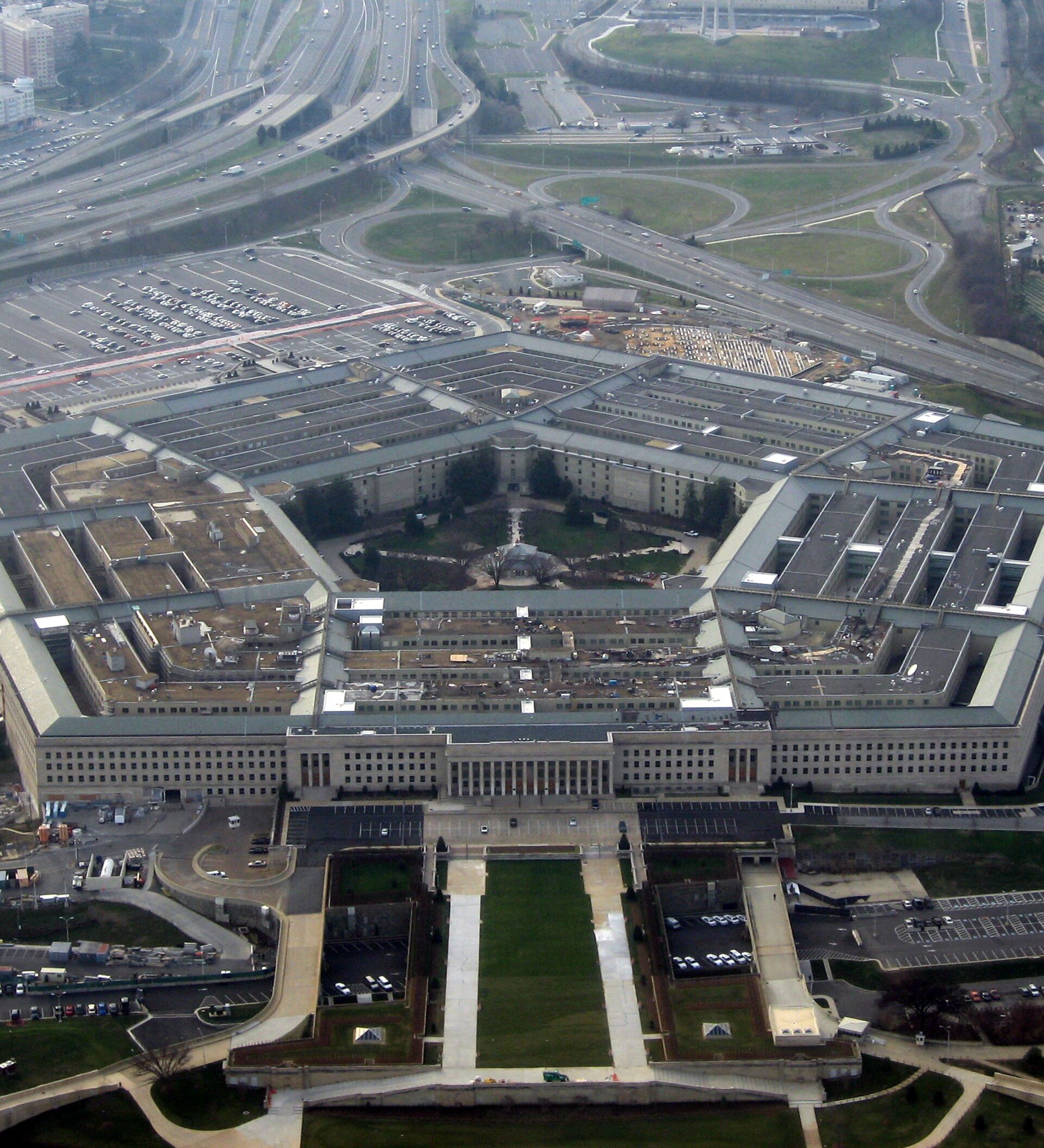
The Pentagon’s latest strategy shifts away from the post-Cold War assumption that the U.S. could comfortably manage two major regional conflicts. Instead, it emphasizes a hierarchy of necessity, offloading responsibilities to European allies, Middle Eastern partners, and South Korea. This transition signals that the core challenge of modern deterrence is no longer just force size, but the political governance of scarcity. As the U.S. depletes specific stockpiles—such as Patriot interceptors or Tomahawk missiles—in one region, it creates immediate, tangible deficits in others.
While some analysts argue these conflicts are merging into a third world war, the evidence suggests a different dynamic: strategic coupling. Interconnection exists because Ukraine and Iran share common providers and bottlenecks, not because their political objectives have converged. When a carrier moves from the Pacific to the Middle East, or when North Korean munitions flow to Russia, the ripple effects are felt globally. However, these are logistical consequences of a stressed system, not proof of a unified political project. True integration would require a shared diplomatic endgame, where the resolution of one conflict becomes conditional on the other. Currently, the U.S. finds itself in a complex queue, managing competing claims with distinct political origins. This environment forces allies to view American commitments not as absolute guarantees, but as fluid resources subject to the shifting urgencies of a global, constrained strategic infrastructure.



Comments (0)
No comments yet. Be the first!