The current footprint includes approximately 50,000 troops, 19 warships, and various air defence units, all facing significantly prolonged rotations. Military personnel, including paratroopers and air defenders, are now seeing deployments stretched from nine to 12 months, with some units from Europe and the Pacific remaining in the region for over a year. This tempo is placing severe strain on both service members and naval hardware, particularly among the 13 guided-missile destroyers and two aircraft carriers currently enforcing a blockade in the region.
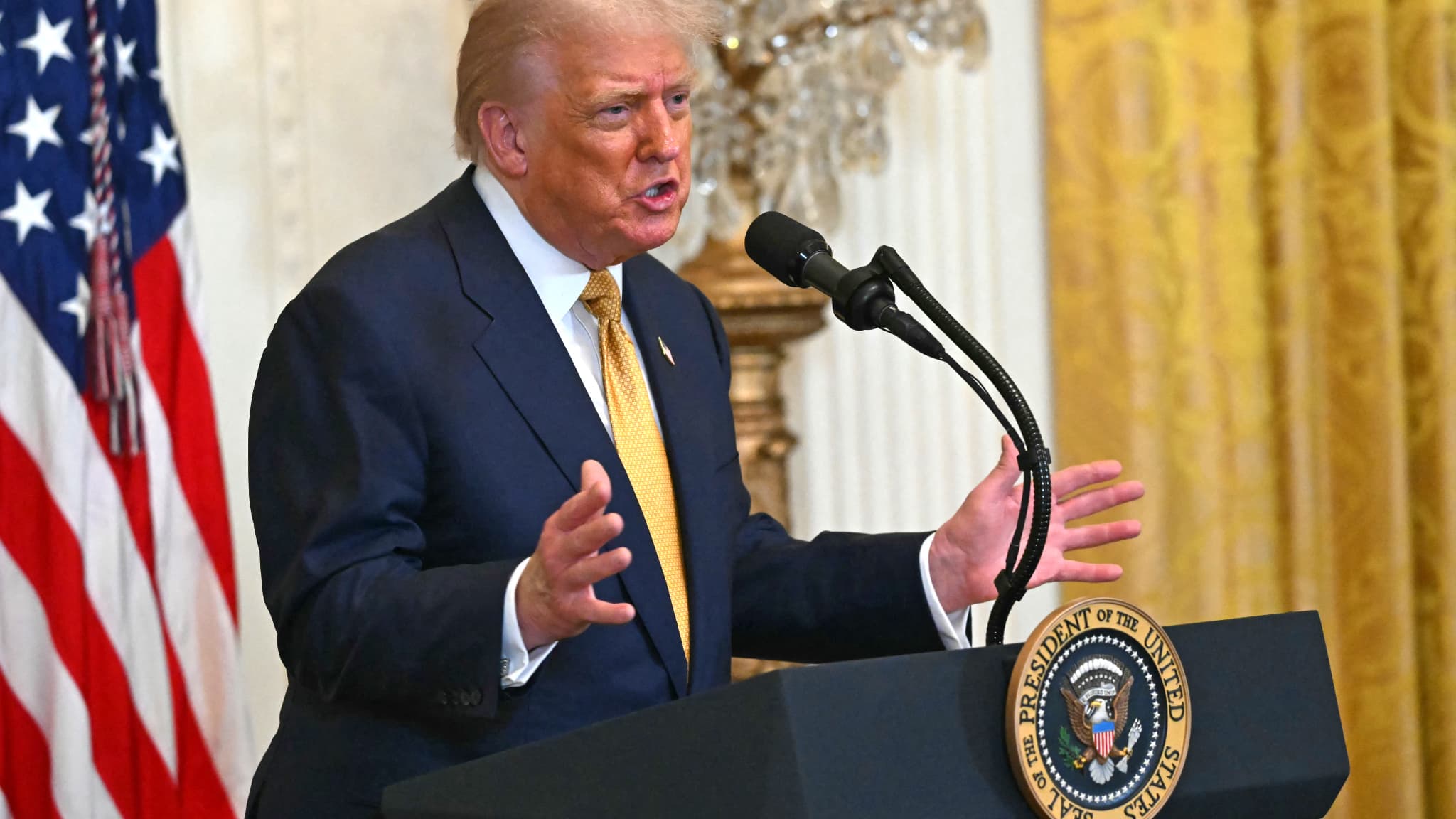
While the Pentagon maintains this posture, President Trump is weighing a pivot toward aggressive economic warfare. Privately, he has discussed declaring the conflict essentially over, betting that a collapsing Iranian economy will force the leadership to dismantle its nuclear program. Trump recently touted the US military's surveillance capabilities and total control of the Hormuz Strait, asserting that the United States retains the ability to strike Iranian targets at will. Despite internal concerns from aides regarding the potential impact on November midterm elections, the administration remains committed to a strategy of combined naval blockades and severe sanctions to coerce Tehran back to the negotiating table.



Comments (0)
No comments yet. Be the first!