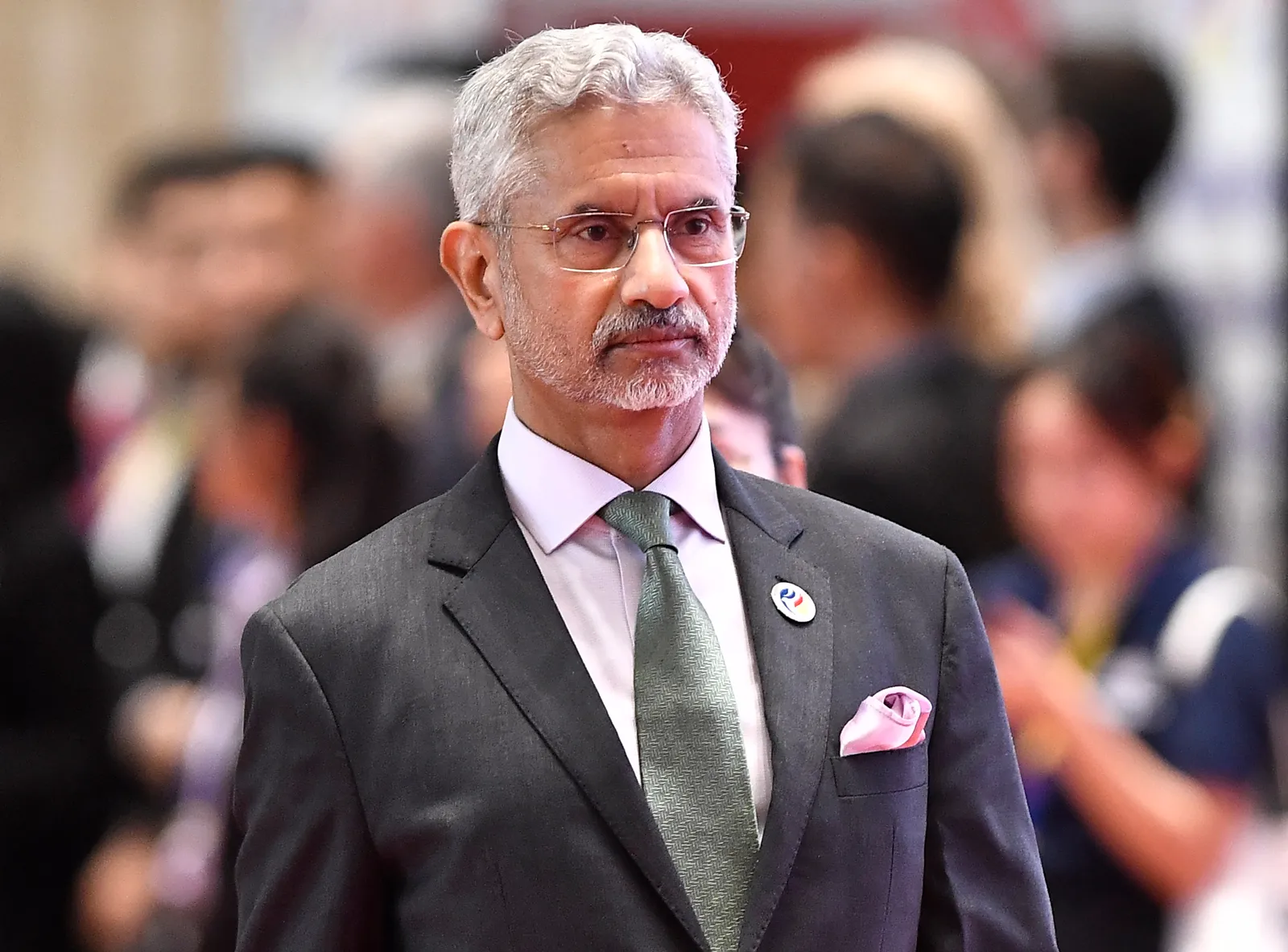
The minister’s remarks follow the U.S. Senate’s passage of the Lindsey O. Graham Sanctioning Russia and Iran Act of 2026. The bipartisan bill, which cleared the Senate with an 86-11 vote, grants the U.S. President discretionary authority to impose tariffs of up to 100 percent on imports from major buyers of Russian energy, including India and China. Supporters of the legislation contend that such trade provides critical financial support for Moscow’s military operations.
Addressing the potential impact on India, Jaishankar emphasized the necessity of balancing global energy volatility with the needs of a 1.4 billion-strong population. He stated that while India respects the Ukrainian perspective, other nations must similarly respect India’s sovereign energy security requirements. The minister reiterated that the conflict, now in its third year, remains immune to the purchasing habits of global commodity markets.
U.S. officials struck a more conciliatory tone regarding the diplomatic friction. Presidential Counsellor Peter Navarro noted that the personal relationship between President Donald Trump and Prime Minister Narendra Modi remains a primary avenue for resolving trade disputes. Meanwhile, Commerce Secretary Rajesh Agrawal signaled that bilateral talks on a broader trade deal continue regardless of the unfolding legislative process in Washington, describing the U.S. sanctions bill as an internal matter that does not alter India's long-term commercial engagement with the United States.



Comments (0)
No comments yet. Be the first!