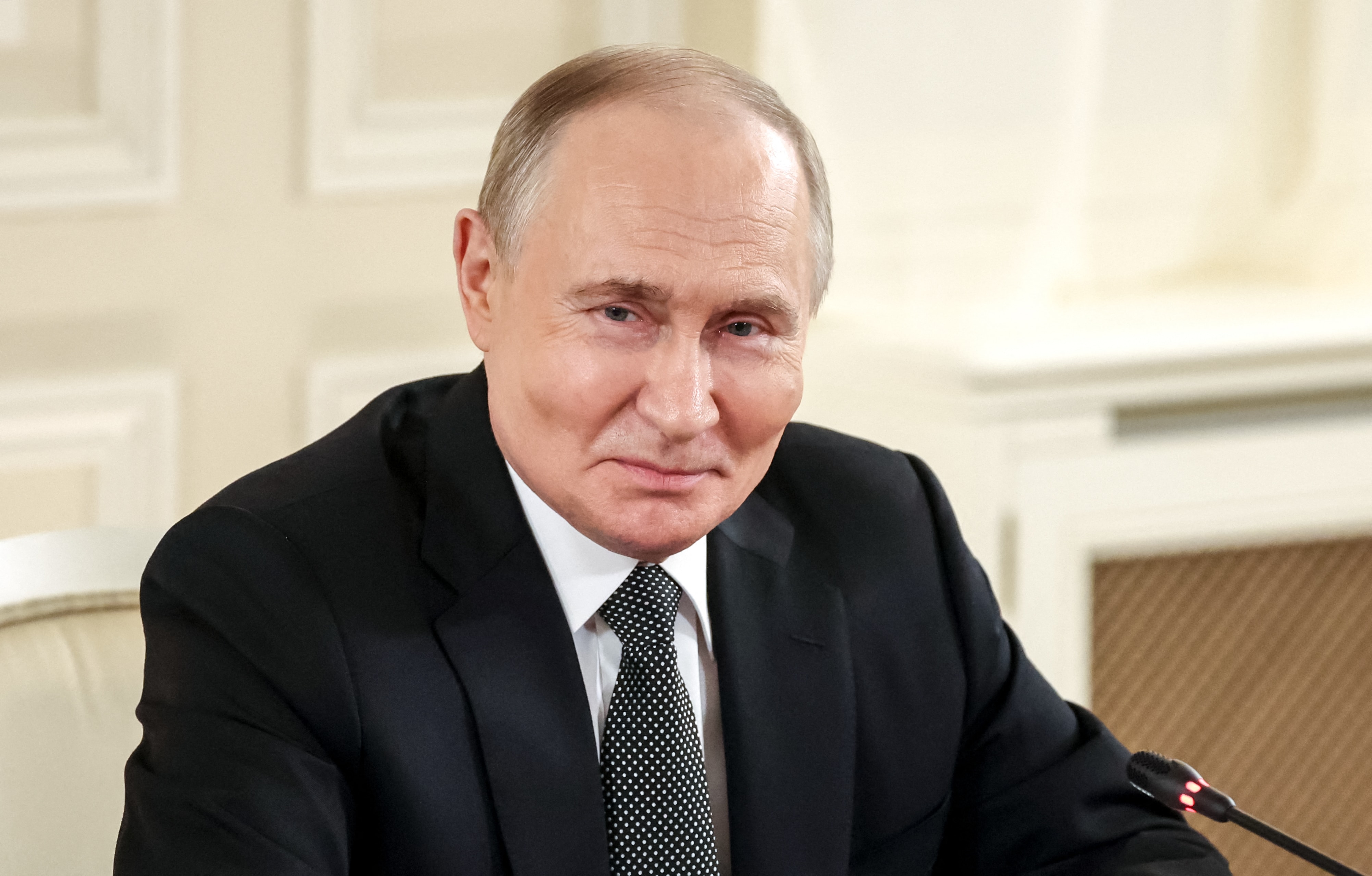
The Russian President acknowledged that international powers, including the United States and China, are willing to facilitate a settlement. However, he emphasized that any resolution requires direct engagement between Moscow and Kyiv, a prospect that has withered since the last formal talks concluded in February. The conflict, now entering its fifth year, remains defined by a static front line and an intensification of long-range strikes deep within both territories.
Tensions have been further exacerbated by Ukrainian President Volodymyr Zelenskiy’s recent warnings to the aviation industry regarding the risks of flying through Russian airspace. Putin labeled these warnings and ongoing maritime attacks as acts of “state terrorism,” placing a heavy burden on any potential diplomatic thaw. Despite this, back-channel communications persist; Moscow maintains contact with the Trump administration through intelligence channels and designated envoys. Notably, CIA Director John Ratcliffe held meetings with Russian intelligence leadership in Moscow last week, though the specifics of those discussions remain undisclosed.
Moscow’s current stance reflects a dual strategy: keeping a diplomatic channel active while highlighting security conditions that preclude a return to the table. The reliance on U.S. mediation offers a rare bridge for communication, yet the expanding scope of the war—particularly the threats to civilian infrastructure and merchant shipping—creates a volatile environment that complicates the path toward a sustainable ceasefire.


Comments (0)
No comments yet. Be the first!