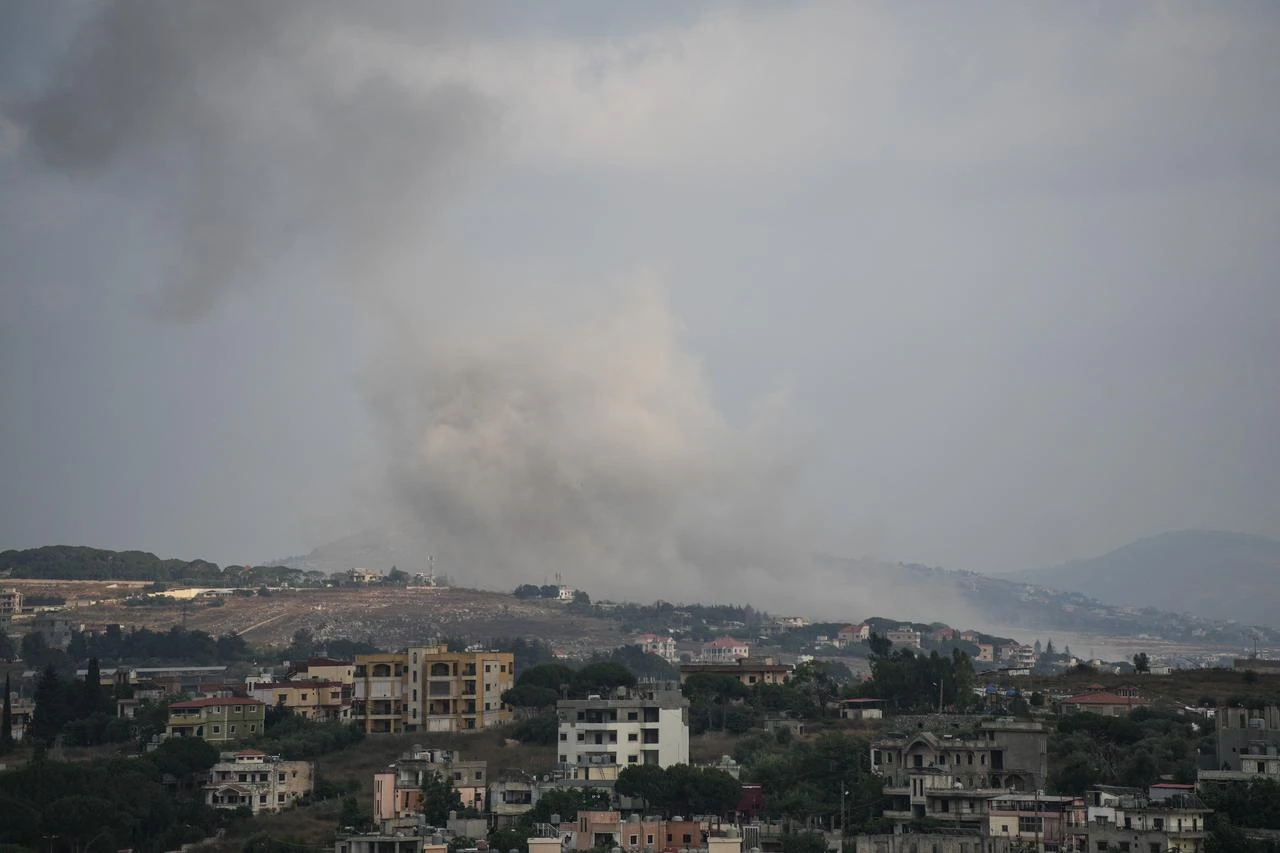
The mountainous ridge holds significant military value, overlooking southeastern Lebanon and housing what security sources describe as an underground command center. While Hezbollah publicly asserts control over the area, regional officials report that more than a dozen Islamic Revolutionary Guard Corps personnel, including at least two senior officers, are stationed at the site. Israel disputes this presence, though it maintains the ridge as a primary operational focus.
Rather than launching a direct ground invasion, Israel is currently attempting to neutralize the position through a blockade, cutting off supplies and conducting targeted strikes against access points. This strategy aims to degrade Hezbollah’s capabilities without crossing the threshold that would necessitate a wider Iranian intervention. Hezbollah, however, maintains that a major offensive would effectively shatter the June ceasefire, potentially prompting retaliatory missile strikes into northern Israel.
For Washington, the situation presents a precarious diplomatic challenge. The White House must balance its commitment to Israeli security with the need to prevent a regional collapse of the ceasefire. As both sides engage in a tactical standoff, the risk of miscalculation remains high; should an Israeli offensive result in the deaths of Iranian personnel, the conflict could rapidly expand beyond Lebanon’s borders.


Comments (0)
No comments yet. Be the first!