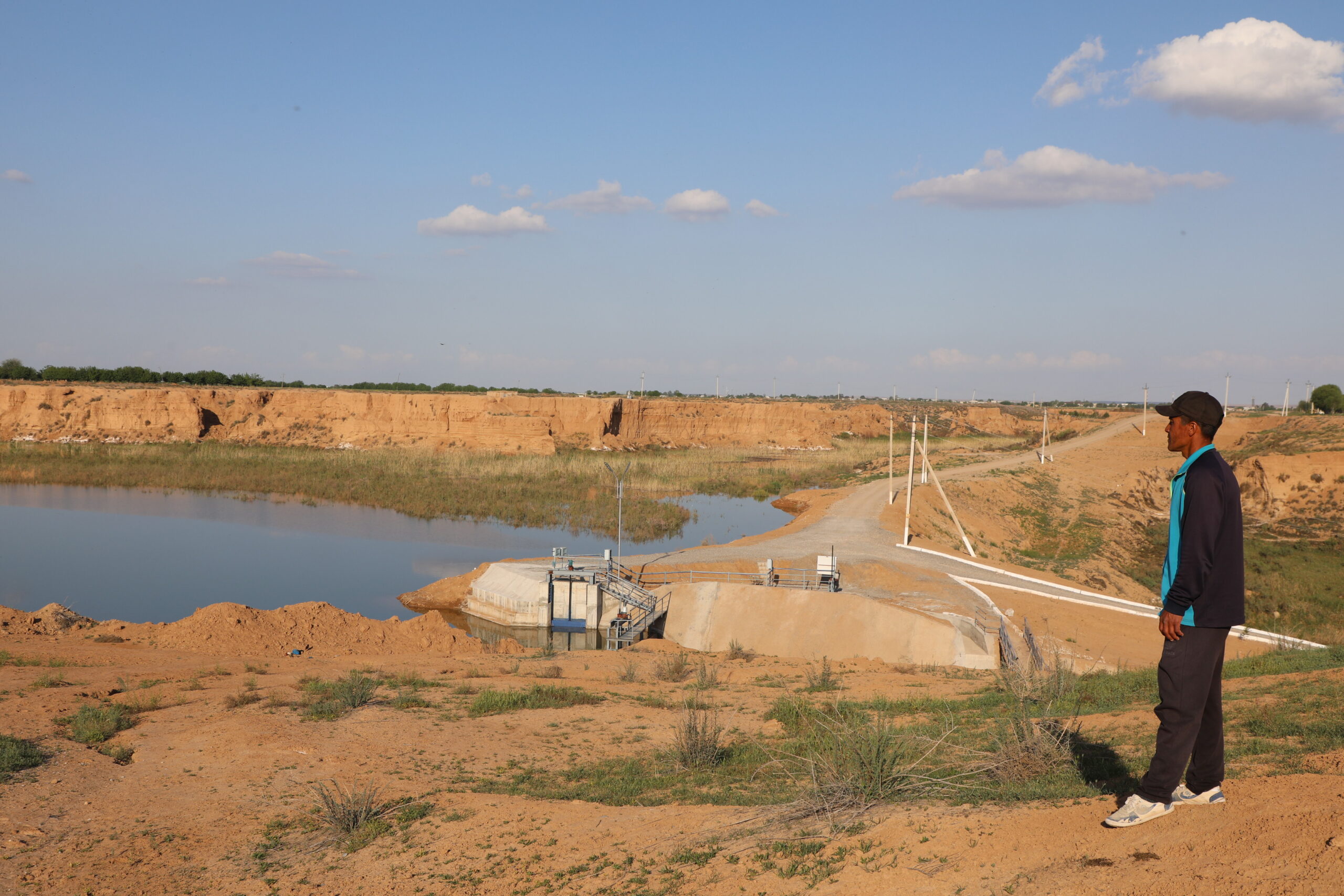
The commissioning of the Avval-Logon pumping station in 2025 marked a turning point for the region. As part of a World Bank-supported project, this facility is one of 13 modernized stations providing automated, energy-efficient irrigation to 5,000 hectares across 14 villages. By delivering 60 million cubic metres of water annually, the infrastructure now serves 40 farming enterprises and over 3,000 landowners, effectively reviving land that had long been considered barren.
This shift has triggered a ripple effect in local economic stability. In Usmonobod village, mahalla chair Dilnoza Otaqulova notes that reliable water has enabled women from low-income households to engage in silkworm breeding. Because irrigated mulberry trees produce higher-quality leaves, the silkworms thrive, providing these women with consistent seasonal employment. Similar gains are visible on individual plots, such as that of Gulasal Yoldosheva, where consistent irrigation has doubled the annual raspberry harvest. By transforming once-dry soil into productive land, these infrastructure improvements are reducing the community's reliance on external remittances and securing a more stable financial future.




Comments (0)
No comments yet. Be the first!