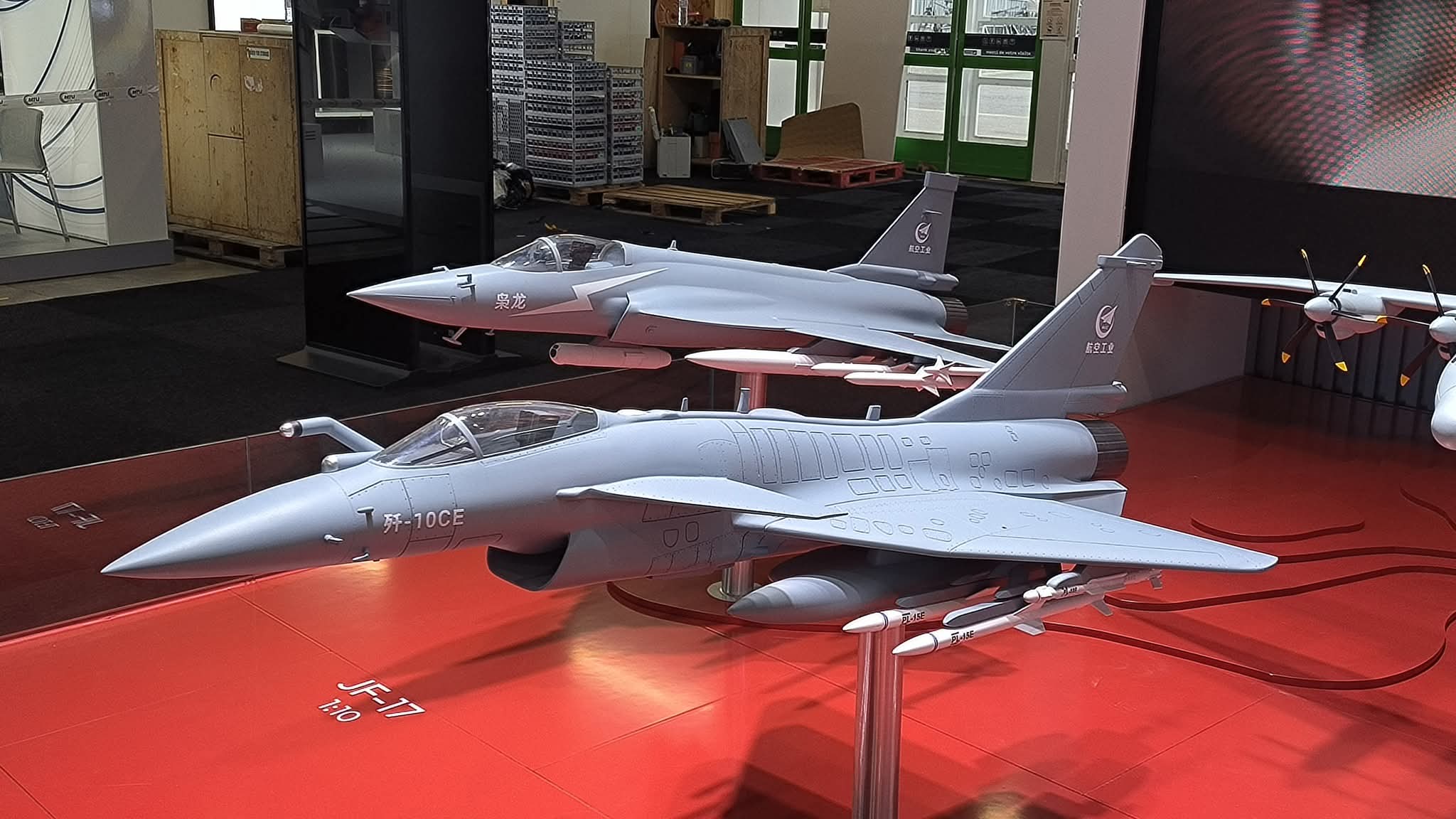
This potential acquisition marks a significant pivot in regional defense procurement. Historically, Western manufacturers dominated the market due to their proven combat records, while Chinese systems were often viewed as cost-effective alternatives lacking battlefield validation. The deployment of J-10Cs during the 2025 border clashes changed this perception, signaling that Chinese avionics and missile systems could effectively challenge advanced platforms like the Rafale. For Dhaka, the move represents an affordable path to modernizing its air sovereignty.
Integrating these sophisticated systems will inevitably reshape the strategic landscape of South Asia. India, already managing a border dispute with China and a Pakistani air force equipped with similar Chinese hardware, now faces the prospect of a third front operating under a Beijing-aligned air combat architecture. This shift risks triggering a classic security dilemma; as India moves to bolster its eastern air defense and electronic warfare capabilities in response, Bangladesh may perceive these defensive upgrades as direct threats, fueling a cycle of regional military escalation.
Beyond the hardware, the deal signals a deepening of the bilateral security relationship. Advanced combat aircraft require decades of technical support, training, and systems integration, ensuring a long-term Chinese presence in the Bay of Bengal. As modern air power becomes increasingly defined by sensor fusion and command-and-control capabilities, the introduction of this technology forces New Delhi to re-evaluate its entire eastern strategic posture.




Comments (0)
No comments yet. Be the first!