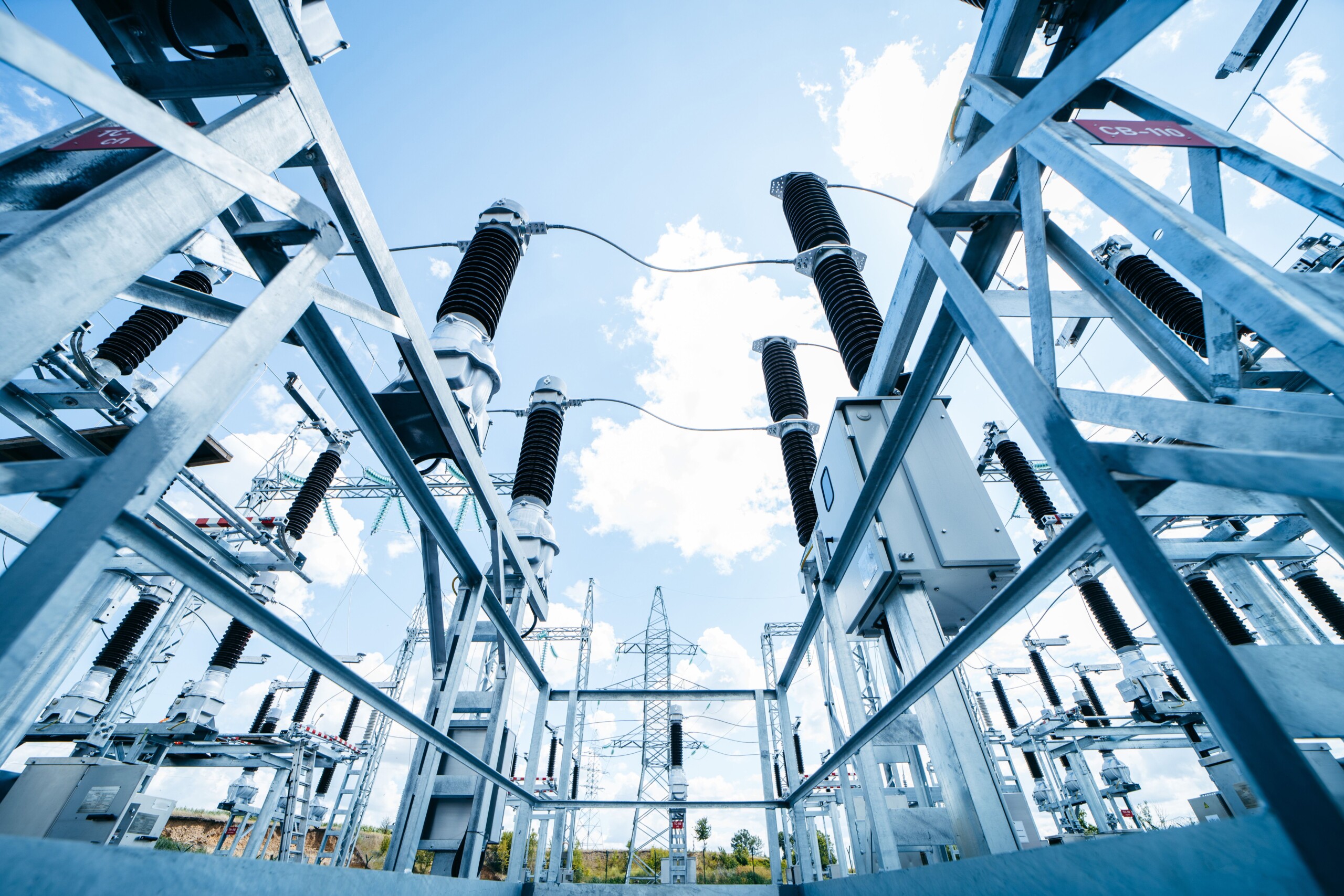
The initiative targets 26 remote upazilas across Khagrachari, Rangamati, and Bandarban, where difficult geography has historically stifled infrastructure development. While Bangladesh reports a 99% national electrification rate, residents in these mountainous districts remain largely disconnected. The planned expansion, which includes 5,032 kilometers of new distribution lines and six 33/11 kilovolt substations, is projected to lift regional grid access to 68% by 2032.
Beyond basic connectivity, the project integrates climate-resilient technology and social empowerment. Plans include the installation of 30 solar-powered water systems and emergency solar backups for 20 schools and clinics, ensuring essential services persist during outages. ADB Country Director Qingfeng Zhang noted that reliable power acts as a catalyst for local commerce and community resilience, particularly when paired with the project's requirement that women hold at least 30% of leadership roles in local management organizations.
Economic development is a core component of the investment. The program allocates resources to train 1,000 residents in livelihood skills and offers incubation support for over 200 entrepreneurs. With a total financial package exceeding $250 million—supported by the Japanese government and local agencies—the project seeks to transition the region toward a flexible, cleaner energy system. By upgrading aging lines and introducing digital monitoring, authorities expect to cut annual carbon emissions by 19,300 tonnes while fortifying the network against natural disasters.



Comments (0)
No comments yet. Be the first!