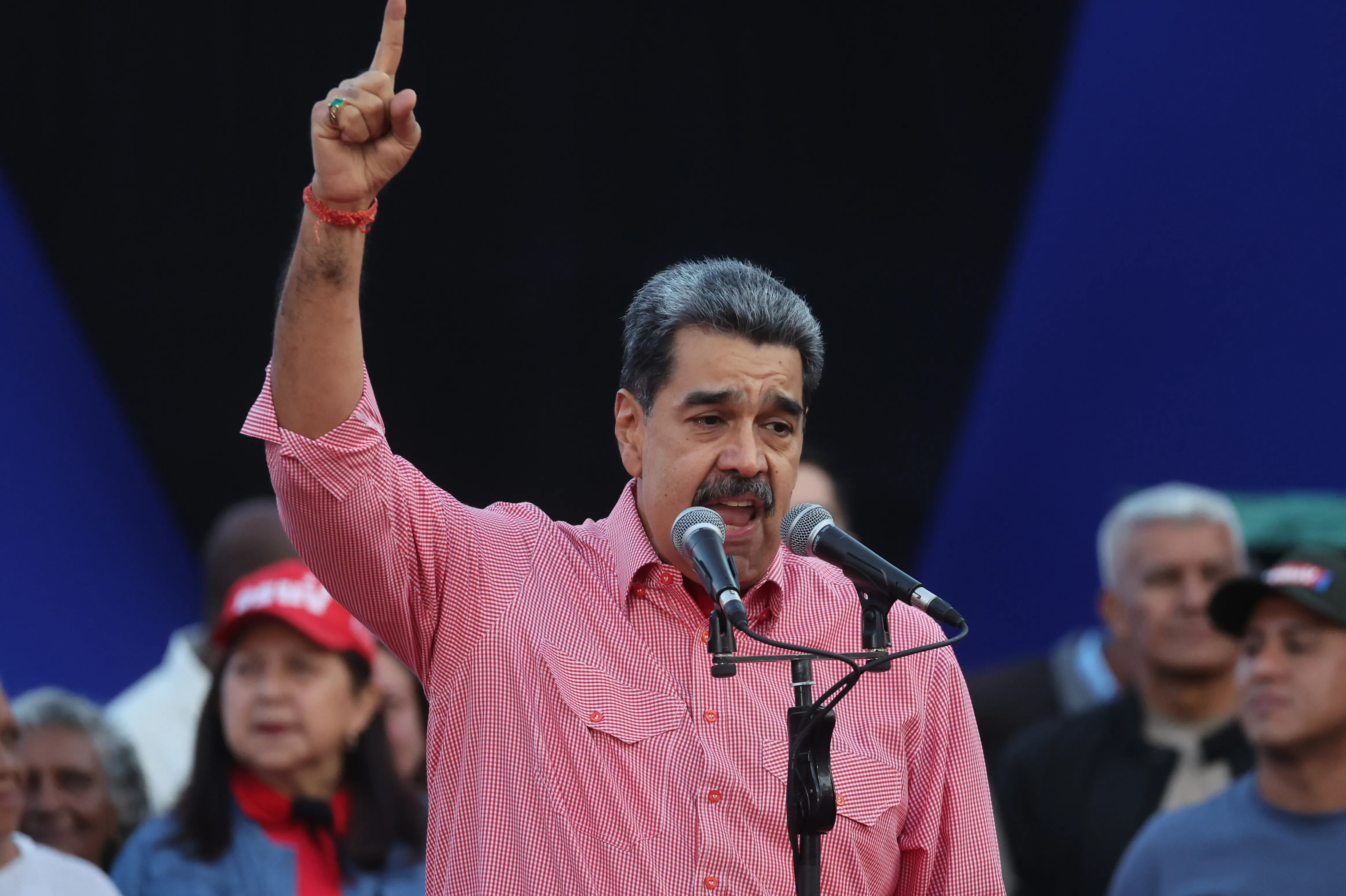
Maduro’s defense team is expected to petition a Manhattan federal court for a dismissal, centering their strategy on the assertion that he retains head of state immunity. This argument faces a major hurdle: the United States has withheld recognition of Maduro as Venezuela’s president since 2018, viewing his elections as fraudulent. Because US courts traditionally defer to the executive branch on questions of foreign diplomatic status, the lack of official recognition effectively undermines his primary shield against prosecution.
The case also invokes the "male captus, bene detentus" doctrine, a long-standing legal principle holding that the circumstances of a defendant’s arrival in the United States do not automatically invalidate criminal proceedings. This precedent, reinforced by the 1992 Supreme Court ruling in the case of a kidnapped Mexican doctor, suggests that even if Maduro was seized outside of formal extradition treaty procedures, the court maintains jurisdiction. While the defense may argue that the US bypassed established treaty protocols, historical rulings indicate that American judges are reluctant to dismiss cases based solely on the nature of a defendant's capture.
Ultimately, the proceedings highlight a persistent friction between international legal norms and domestic judicial practice. While international law emphasizes sovereign equality, the US judiciary prioritizes its own territorial jurisdiction once a defendant is physically present. A failure to secure immunity for Maduro would reinforce the American position that international law violations may trigger diplomatic friction, yet rarely serve as a terminal obstacle to a criminal trial.


Comments (0)
No comments yet. Be the first!