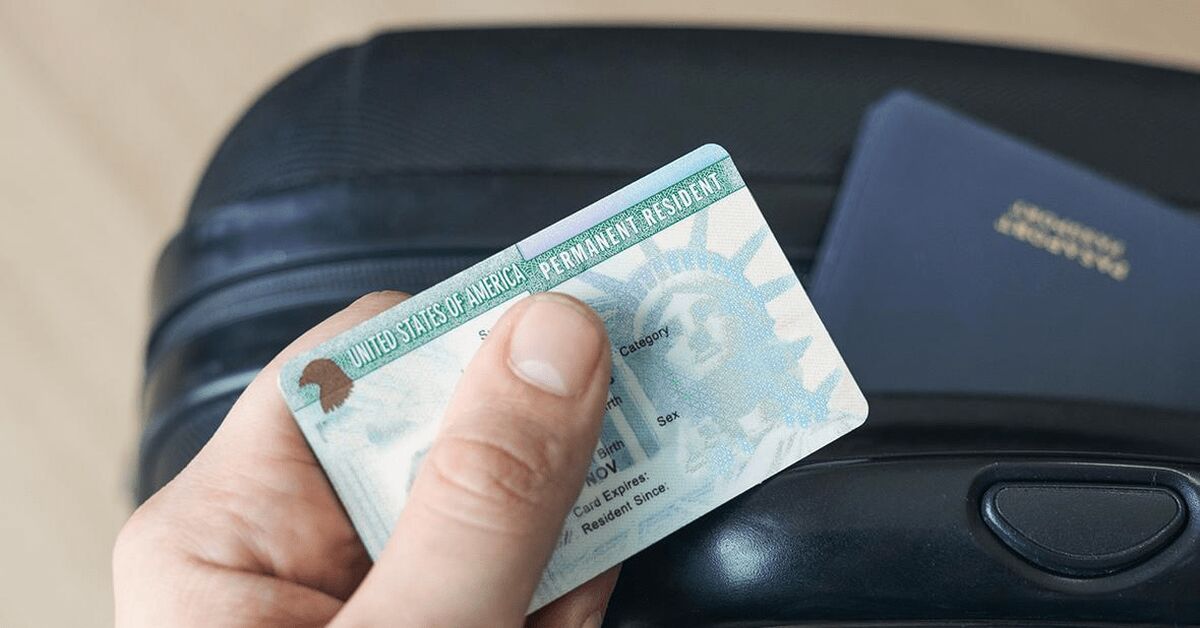
The analysis by the National Foundation for American Policy underscores how the current US immigration system struggles to accommodate the high demand for foreign-born scientists and engineers. Federal law restricts total employment-based green cards to 140,000 annually, with a strict seven percent cap per country. Because of this, the backlog for EB-1, EB-2, and EB-3 categories has surged by over 20 percent since 2020, reaching approximately 1.26 million individuals.
For Indian applicants specifically, the path to permanent residency has become increasingly obstructed. While those in the EB-1 category may wait four to five years, the burden shifts drastically for others, with EB-3 applicants facing a 38-year wait and EB-2 applicants encountering the projected 179-year delay. These figures highlight a systemic failure to process highly skilled workers, many of whom remain in the country on temporary H-1B status while their futures remain uncertain.
President Donald Trump’s administration has further complicated this landscape through a broader crackdown on immigration. Beyond existing statutory bottlenecks, the current White House policy includes increased application fees and a more aggressive stance on visa revocations. Human rights organizations argue that these measures, combined with the administrative backlog, create a hostile environment for the 3.2 million Indian-born residents in the United States, effectively discouraging the talent that US companies rely upon.

Comments (0)
No comments yet. Be the first!