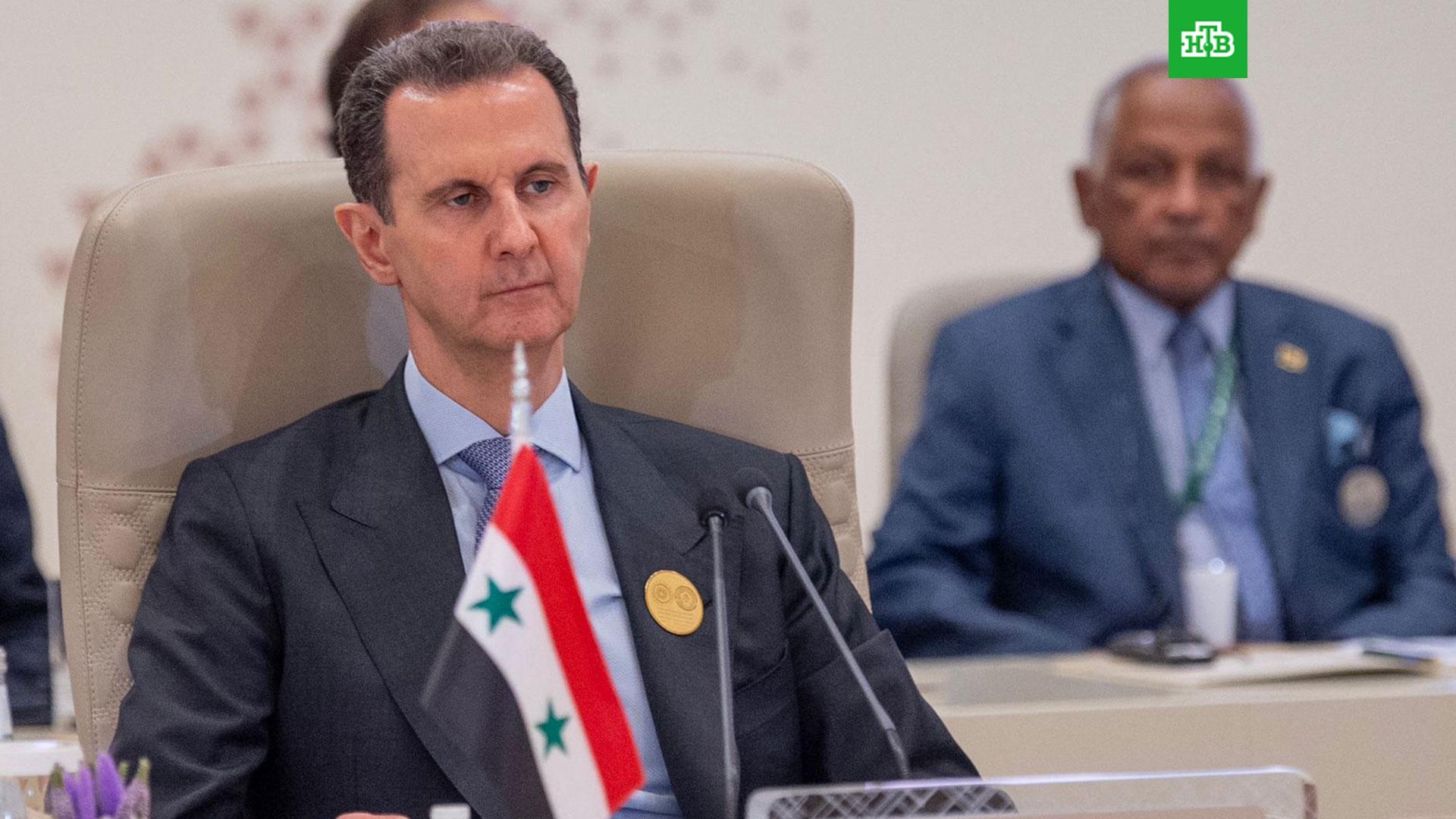
Operation Arrow of Bashan set the tone for this new reality. Between the regime’s fall and the end of 2024, Israel launched 498 strikes against 320 targets, dismantling roughly 80% of Syria’s strategic military forces, including advanced air-defense systems and naval infrastructure. For Israel, this destruction is not merely a tactical success but a prerequisite for regional security. By pushing forces beyond the 1974 disengagement line and enforcing a de facto demilitarized zone in the south, Jerusalem aims to ensure that no future Syrian government can threaten its airspace or sovereignty.
Turkey, however, views a fractured and weak Syria as a liability that invites instability and refugee pressures. Ankara’s strategy involves deep institutional involvement, providing military training and logistical support to Syrian troops. By August 2025, this support included advanced weapons systems, with Syrian personnel increasingly integrated into Turkish military academies. This divergence in goals culminated in the August 2026 strike on the Abu al-Duhur airbase. While Damascus insisted the facility was undergoing routine rehabilitation, Israel framed the attack as a necessary intervention against Turkish efforts to re-establish Syrian air capacity.
Washington now finds itself managing a volatile trilateral dynamic. U.S. special envoy Thomas Barrack is leading deconfliction efforts, attempting to prevent a direct confrontation between Jerusalem and Ankara. As long as Israel equates any restoration of Syrian state capability with a loss of its own security buffer, and Turkey continues to view a capable Syrian state as a vital geopolitical asset, the Levant remains locked in a structural stalemate. The current friction is not just about specific military sites, but about which power defines the borders of Syrian sovereignty.



Comments (0)
No comments yet. Be the first!