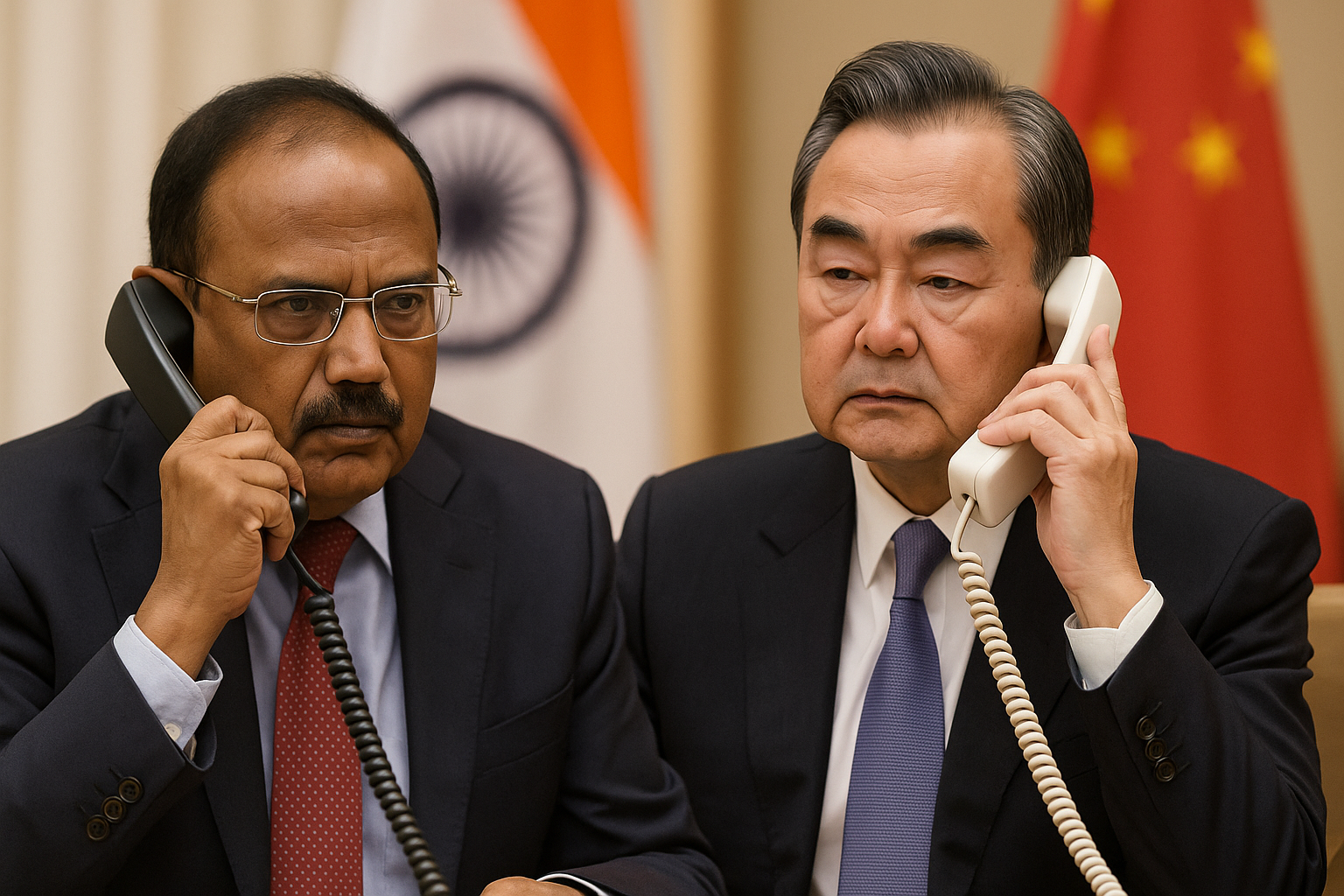
The August 25, 2026, meeting marks a significant departure from previous diplomatic frameworks. While the 2005 agreement emphasized a comprehensive package settlement for the entire border, the latest outcome document reflects a tactical realignment. Negotiators are now prioritizing the less-contested middle and eastern sectors, effectively deferring the complex western sector for future deliberations. This incremental strategy is designed to maintain momentum in a relationship long defined by systemic mistrust and military standoffs.
Concrete steps accompany this diplomatic shift, including the establishment of new military hotlines and additional commander-level meeting points along the Line of Actual Control. These measures follow the successful 2024 border patrolling agreement, which helped de-escalate tensions following years of friction. Beyond the border, economic ties are tentatively warming, with India recently permitting Chinese power equipment manufacturers to bid for critical projects—a reversal of policies enacted after the 2020 Galwan incident. Despite these gains, deep-seated hurdles remain. China’s continued infrastructure development near the border and the recurring renaming of locations in Arunachal Pradesh underscore the persistent territorial friction. As both nations navigate these complexities, the upcoming summits in Bishkek and New Delhi serve as critical tests of whether this renewed engagement can evolve into a durable framework for regional stability.


Comments (0)
No comments yet. Be the first!